

The Zoo in New York’s Central Park has been an iconic tourist attraction in the heart of the city for many years. For more than a century, the zoo has served as a home to thousands of animals as well as a center for research and environmental conservation. The zoo has a rich and fascinating history that spans a vast period beginning in the 19th century. Read more on new-york.name.
How did the zoo appear in New York’s Central Park?
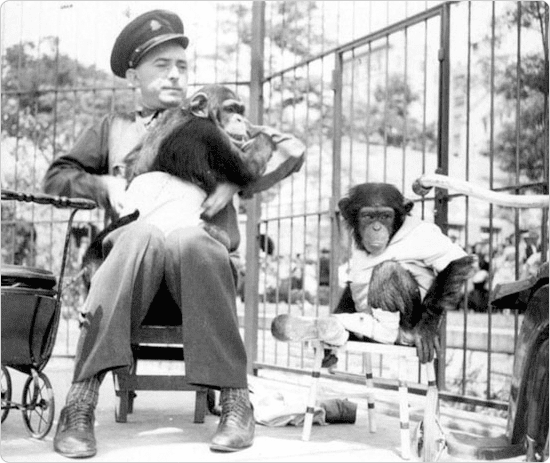
In the early 1800s, Central Park was still a rural area with farms, forests and rocky hills. However, as the city grew, it became clear that Manhattan needed a large public park to provide its residents with a place and opportunities for recreation near home. Thus, the creation of the park was soon initiated. In particular, in 1853, the New York State Legislature authorized the creation of Central Park, and a commission was established to oversee its design and construction.
The commission hired Frederick Law Olmsted and Calvert Vaux, two visionary landscape architects, to design the park. Olmsted and Vaux envisioned Central Park as a refuge from the city’s hustle and bustle, a place where people could be alone with nature and find peace. They also believed that the park should have a zoo where people could experience the diversity of the animal world.
The original zoo, or rather a small menagerie in Central Park, appeared in the 1860s, just a few years after the park itself was founded. The zoo was very modest in size, with only a handful of animals, including:
- three white-headed eagles
- one bald eagle.
The small menagerie quickly became popular among New Yorkers and visitors. They were fascinated by the idea and the opportunity to see exotic animals up close. Within a few years, the Central Park Zoo had more than 400 animals.
From a small menagerie to a huge zoopolis
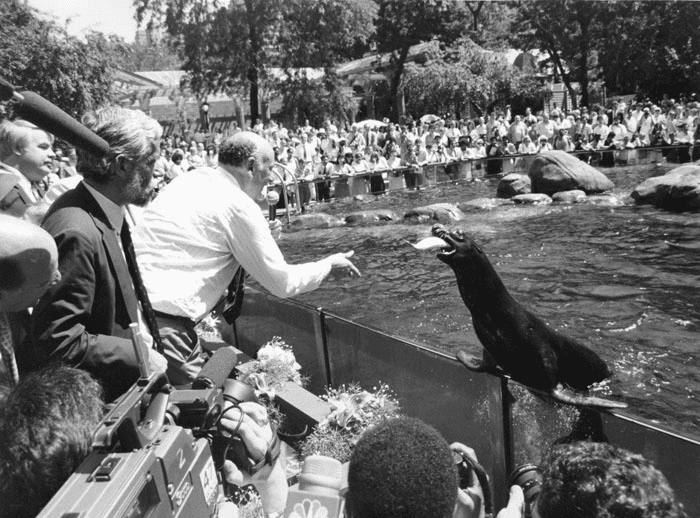
Over the next few decades, the zoo expanded and improved. Toward the end of the 19th century, a swimming pool with sea lions was added, which became the zoo’s main attraction. It was also during this period that the first elephant appeared in the zoo, and in the early 20th century, a real monkey house was built.
Thanks to its rapid development, in the early 20th century the zoo was one of the most popular places in Central Park, attracting millions of visitors every year. However, the zoo’s popularity also had a downside. The animals were often kept in small, cramped enclosures, and many of them suffered from disease and stress. Therefore, in the 1930s, a large-scale reconstruction of the zoo was carried out. Millions of tourists and city residents visited the zoo annually. They also often donated large sums of money to the zoo’s maintenance and development.
The period of the most serious transformations in the zoo occurred in the 1980s and 1990s. Many old enclosures were replaced with more spacious and natural homes for animals. In addition, during this period, the zoo became not only a place where animals were kept but also a center for research and environmental conservation. Here, maximum attention began to be paid to endangered species and wildlife conservation.
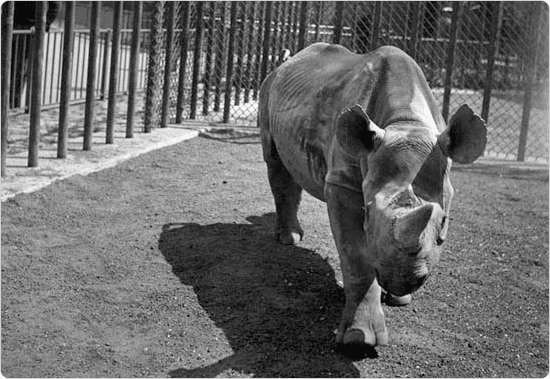
In the 21st century, the Central Park Zoo is home to more than 130 different species of animals, including:
- snow leopards
- red pandas
- sea lions
- penguins
- bears
- lemurs
- monkeys
- and others.
For many years, this place has remained incredibly popular among tourists and locals alike. In the 21st century, the New York Zoo plays a crucial role in education, research and conservation efforts. The rich history of the zoo is a testament to the importance of its preservation and the conservation of rare and endangered species.