

The daily habits of every New Yorker have a significant impact on the environment. Just imagine: thousands of cars drive down a single city street every day, and tens of thousands of people walk by, littering or doing other things that are harmful to the environment. Learn more on new-york.name.
To improve air quality and generally care for the environment, the New York government has developed several programs to improve the situation in the city.
In this article, we’ll look at a few key ways the city is working to protect the environment.
Green Spaces and Parks
Parks are crucial for improving air quality in New York. For example, over 18,000 trees grow in Central Park. These trees are not only beautiful but also help New Yorkers breathe a little easier. In one year, a mature tree absorbs over 48 pounds of carbon dioxide from the atmosphere, converting it into oxygen.
The trees in the park also help keep New York cool during heat waves. Trees in New York act as natural air conditioners, not just by providing shade for people sitting beneath them but by cooling the city as a whole. They also absorb water that evaporates in the heat, cooling the air temperature around them.

Recycling and Waste Management
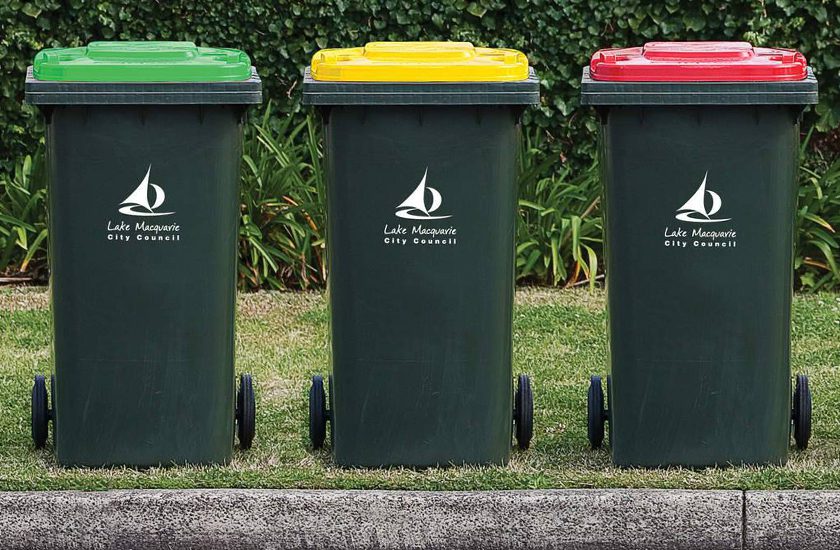
New York generates over 14 million tons of waste every year, and to keep the city from “drowning” in trash, there are specific rules for waste disposal. For example, before trash is put on the curb for collection, residents must separate their waste into three categories: paper, metal/glass/plastic, and mixed solid waste (non-recyclable trash).
Each type of waste is generally collected separately. Every day, New York’s public garbage trucks collect an average of nearly 7,000 tons of household mixed solid waste, which is then converted into additional energy for the city. Metal, glass, and plastic waste, for example, are taken to one of the city’s recycling processing centers, where they are sorted. Some of the waste is sold to local recyclers (paper mills, metal plants, etc.), and some is exported abroad. By sorting their trash, New Yorkers are actively helping to protect the city’s environment.
The “Clean Heat” Program
It’s not just businesses and cars that pollute the air in New York; home heating is also a major cause of high pollution levels in the city.
In New York, homeowners choose their own heating methods. Most commonly, they use boilers that run on No. 4 and No. 6 fuel oils.
These types of fuel contain sulfur that doesn’t burn completely, leaving soot on the inner surfaces of the boilers, which reduces their efficiency. Most dangerously, the burning of fuel oil releases PM2.5 particulate matter (less than 2.5 microns in size) into the air, which is harmful to health.
After a thorough study, the New York government decided to create the NYC “Clean Heat” program, which requires buildings to switch from toxic fuels to biodiesel, natural gas, steam, and No. 2 fuel oil, which has an ultra-low sulfur content compared to the aforementioned fuels.
Since 2012, the city has completely stopped issuing licenses for the use of No. 6 fuel oil.
Owners who wanted to buy a new boiler were required to purchase ones that only used clean fuels (biodiesel, natural gas, steam, etc.).
Since No. 4 and No. 6 fuel oils were cheaper, the government offered financial assistance and technical consultations to encourage New Yorkers to switch to safer fuels.
The “Clean Heat” program officially ended in 2015, having achieved significant success. For example, the level of sulfur dioxide in the air decreased by 69%, and the concentration of PM2.5 particulate matter dropped by a full 65%, which was great news for both residents and the government that implemented the program.
Electric Transportation
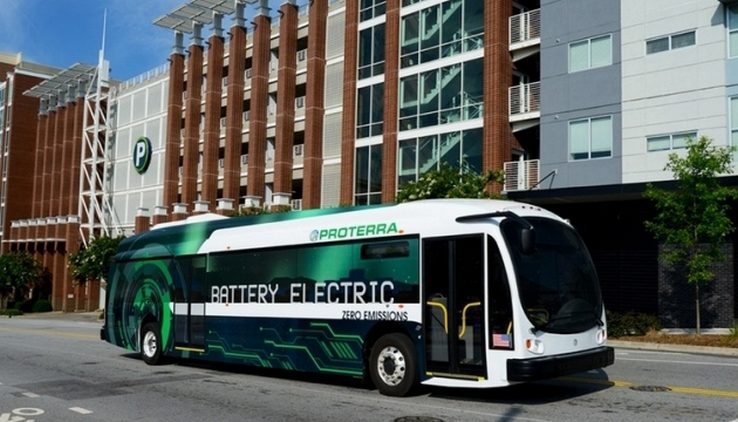
In New York, you’re seeing more and more electric buses on the streets that serve as public transportation. This is one of the best decisions the city government has made to improve the environmental situation.
One of the biggest advantages of switching to electric buses is the reduction in exhaust emissions.
Electric transportation is also much quieter and more comfortable for passengers. And it’s not just that—electric buses also have lower operating costs. Electricity is much cheaper than fossil fuels. This means it’s cheaper to run an electric bus on a route than a traditional one. According to the manufacturer Proterra, electric buses can save up to $50,000 in fuel and maintenance costs over five years.
Protecting Water Resources
It’s not enough to just care about waste sorting or reducing exhaust emissions. Caring for the environment is made up of many small parts that, when put together, lead to an overall improvement.
New York also protects its water resources by improving its water supply and sewage infrastructure. Water quality control programs and the modernization of treatment plants help keep the city’s water resources clean.
Sources: