

In today’s manufacturing and logistics sectors, the responsible handling of packaging waste is more than just a regulatory requirement; it is a critical component of operational efficiency and environmental stewardship. Companies are increasingly looking for partners who can handle the complex lifecycle of industrial packaging. Kelly Drum stands out as a prime example of industry leadership in this field. With their specialized expertise in industrial drum services and container reconditioning, they assist businesses in managing waste responsibly. By utilizing professional ibc tote recycling, companies can significantly extend the life of their industrial containers, reducing the need for new raw materials and minimizing their environmental footprint.
The logistical challenge of managing empty containers is a common pain point for many facilities. Accumulated drums and totes consume valuable warehouse space that could be used for inventory or production equipment. Implementing a scheduled ibc tote pickup service is the most effective way to maintain a lean and organized workspace. Reliable collection services ensure that used packaging is removed promptly and transported safely to processing facilities, mitigating the risks associated with storing potentially hazardous residues on-site.
Once these containers reach a processing facility, the focus shifts to restoration and sustainability. The process of tote recycling involves far more than simple disposal. It encompasses a rigorous protocol of cleaning, repairing, and testing to ensure that containers can be safely returned to the supply chain. This circular approach preserves natural resources and offers a cost-effective alternative to purchasing brand-new packaging for every shipment.
The Economic and Environmental Benefits of Reconditioning
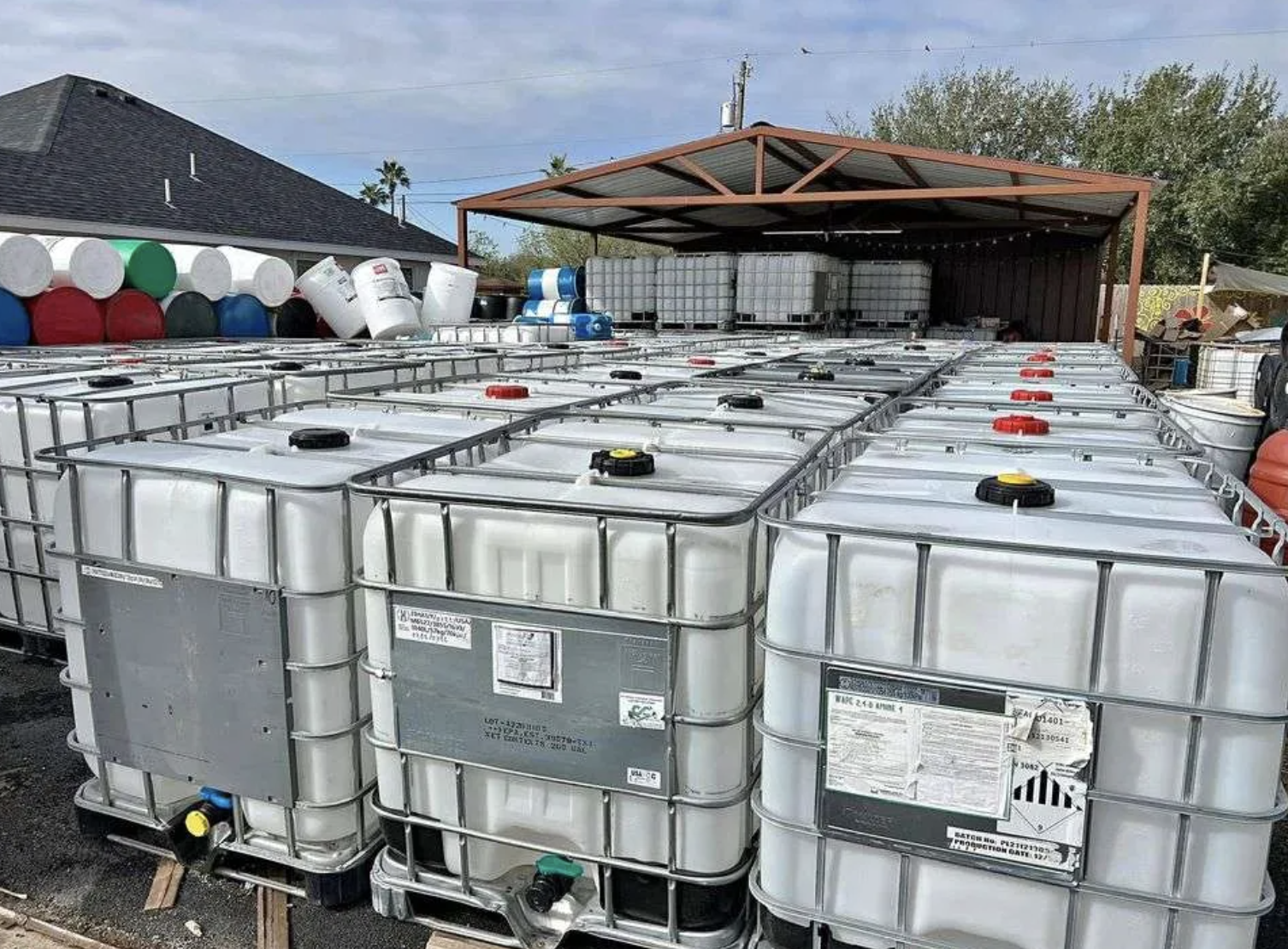
Reconditioning industrial containers offers a dual advantage: it lowers operational costs and supports corporate sustainability goals. When a steel drum, plastic drum, or IBC (Intermediate Bulk Container) is reconditioned, it prevents the energy-intensive production of a new unit.
Key advantages of utilizing reconditioning services include:
- Cost Reduction: Reconditioned containers are significantly less expensive than new ones, often providing the same level of performance and durability.
- Waste Diversion: Every container that is washed and reused is one less item occupying space in a landfill.
- Carbon Footprint Reduction: The energy required to clean and restore a container is a fraction of what is needed to manufacture a new one from virgin steel or plastic.
- Regulatory Compliance: Professional recyclers ensure that all waste residues are disposed of in accordance with strict environmental regulations, protecting the generator from liability.
Understanding the Reconditioning Process
Industrial container reconditioning is a highly technical process designed to restore packaging to a state where it can safely hold products again. It is not merely washing; it is a comprehensive restoration.
For Intermediate Bulk Containers (IBCs), the process typically involves several critical stages. First, the bottle is chemically cleaned or replaced entirely if it cannot be salvaged. The steel cage is inspected for structural integrity, repaired if necessary, and often repainted to prevent corrosion. Valves and caps are inspected and replaced to ensure a leak-proof seal.
For Steel and Plastic Drums, the process may involve thermal treatment to incinerate residues, shot blasting to remove exterior paint and rust, and reshaping to correct dents. The drums are then tested for leakproofness before being repainted and lined. This meticulous attention to detail ensures that a reconditioned container performs just as reliably as a new one.
Selecting a Reliable Recycling Partner
Choosing the right partner for container management is essential for safety and efficiency. A reputable service provider must hold the necessary permits and adhere to federal and state regulations regarding hazardous and non-hazardous waste.
When evaluating a potential partner, consider the following criteria:
- Scope of Services: Do they handle the specific types of containers you generate (e.g., poly drums, steel drums, totes)?
- Transportation Capabilities: Can they provide reliable pickup services that align with your production schedule?
- Environmental Compliance: Do they provide documentation and certification that the packaging has been processed responsibly?
- Quality Assurance: Do they utilize leak-testing technology and high-quality cleaning agents to ensure the integrity of the reconditioned product?
By prioritizing these factors, businesses can build a robust waste management strategy that supports both their bottom line and the planet.