

New York is an extremely diverse city. Residents and guests are astonished at its rich cultural and historical heritage. Floral richness in New York is no less surprising. Among the botanical wonders, the New York fern (Amauropelta noveboracensis) stands out for its delicate leaves and enchanting beauty. Charming nature lovers and botanists alike, the fern reveals a history, ecological and cultural values spanning centuries. The history of the New York fern, from its earliest origins to the present days, is certainly noteworthy. Read more at new-york.name.
Ancient origin
The history of the Amauropelta noveboracensis can be traced back to a time when the Earth looked completely different. According to archeological records and finds, the fern existed more than 300 million years ago. It is undoubtedly one of the oldest plant groups on the planet. These lush green plants that existed in the Carboniferous period contributed significantly to oxygen production. While many ancient fern species have ceased to exist and become a part of history, the New York fern remains a living relic that proves its adaptability and resilience.
Discovery of the New York Fern
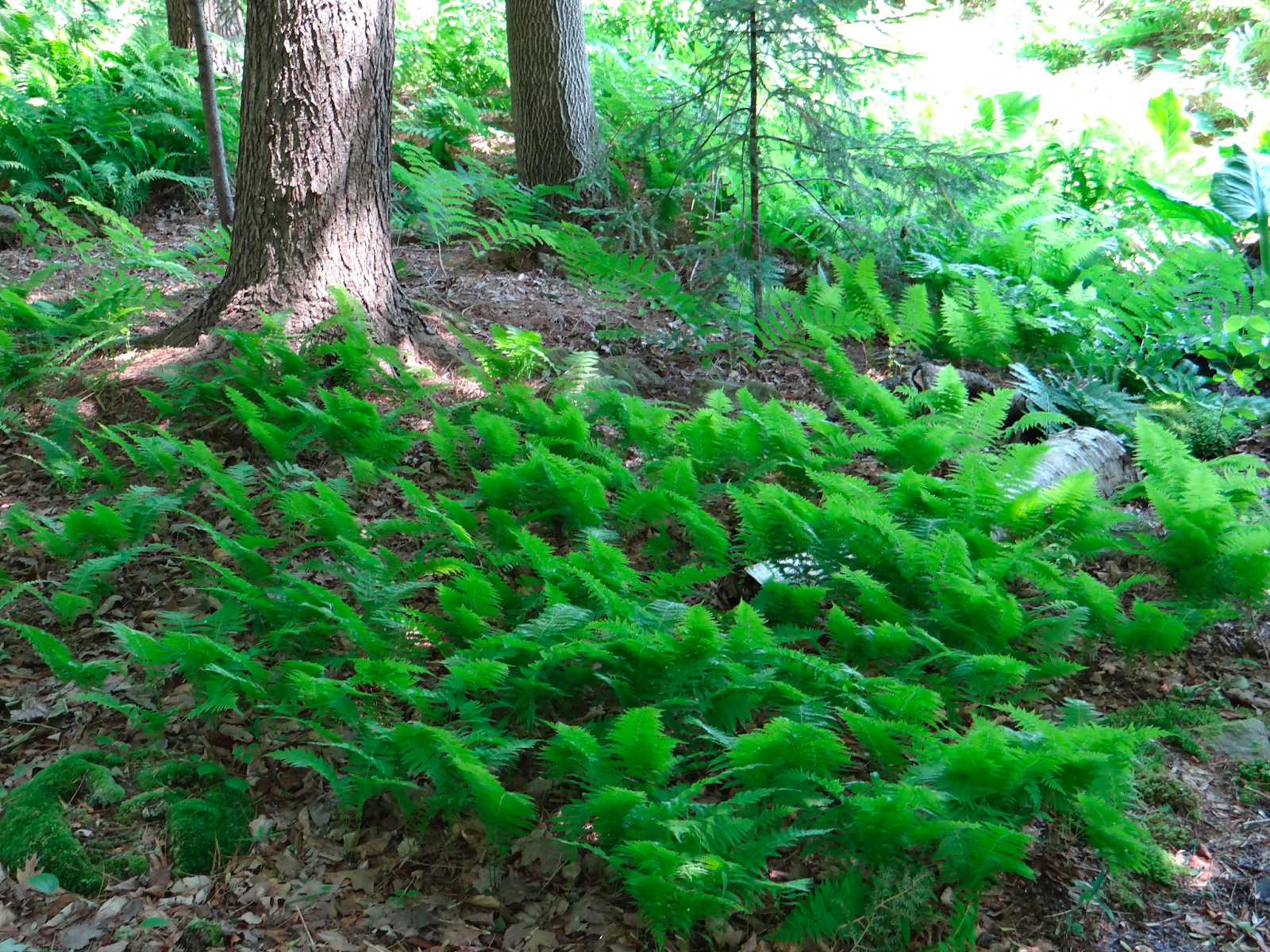
Despite the name, the New York fern did not originate in a bustling metropolis. It was first identified and well-researched at the famous NY Botanical Garden in the early 19th century. When this species was found at a prestigious institution, an enthusiasm for plant study only increased. It marked the growing importance of understanding the natural world.
As it turned out later, this type of fern was a local species that was found in various parts of New York and surrounding areas. This plant also grew in the eastern United States, Canada, Appalachians and the Atlantic Northeast.
The New York fern grows mainly in sunny regions, between mixed woods, near the swamps, in gills and along streams. The main feature of fern propagation is the pH soil level. In particular, when the level drops below 4.1, this plant becomes the prevalent understory species. In such cases, it can even outgrow the seedlings of certain trees. In addition, the presence of this fern means the vicinity of the wetland. It is also an endangered species in Illinois.
Features of the amauropelta noveboracensis
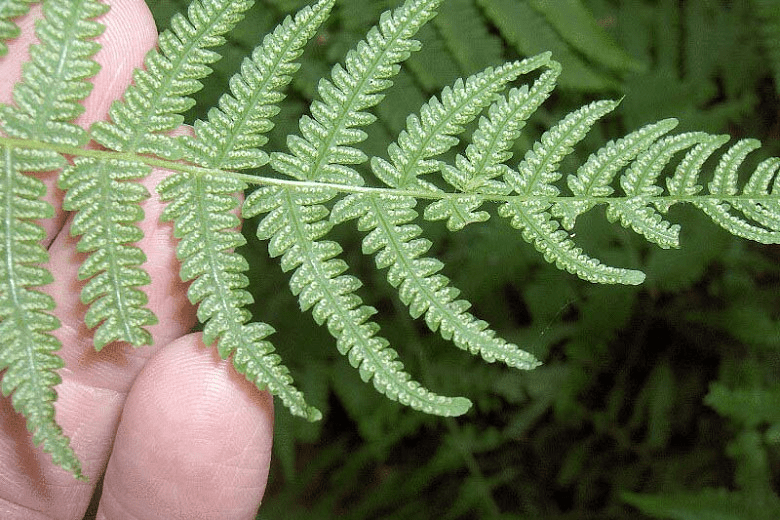
The New York fern has a number of distinctive features, making it an interesting plant. The main characteristics of the fern include:
- The structure of the leaves: long, curved and dividing into numerous smaller leaflets, which are often called feathers
- Deciduous nature: with the change of the seasons, the leaves turn golden brown before eventually withering away
- Rrhizome: the fern’s root system consists of rhizomes, which are horizontal underground stems
- Fitness to the environment: the plant is easily adapted to any terrain. It can be found in rainforests and shaded slopes, as well as in rocky gorges and on the stream banks
- Reproduction: like other such types of this plant, the New York fern does not propagate by seeds but by spores
- Ecological importance: as a local species, the New York fern is essential in maintaining the ecological balance of New York State and other regions
- Use in gardening: due to its beautiful appearance and fitness, Amauropelta noveboracensis is widely used for horticultural purposes
- Aesthetic appeal: luxurious pinnate leaves of the fern make it a popular ornamental plant.
Cultural significance for the city and its inhabitants
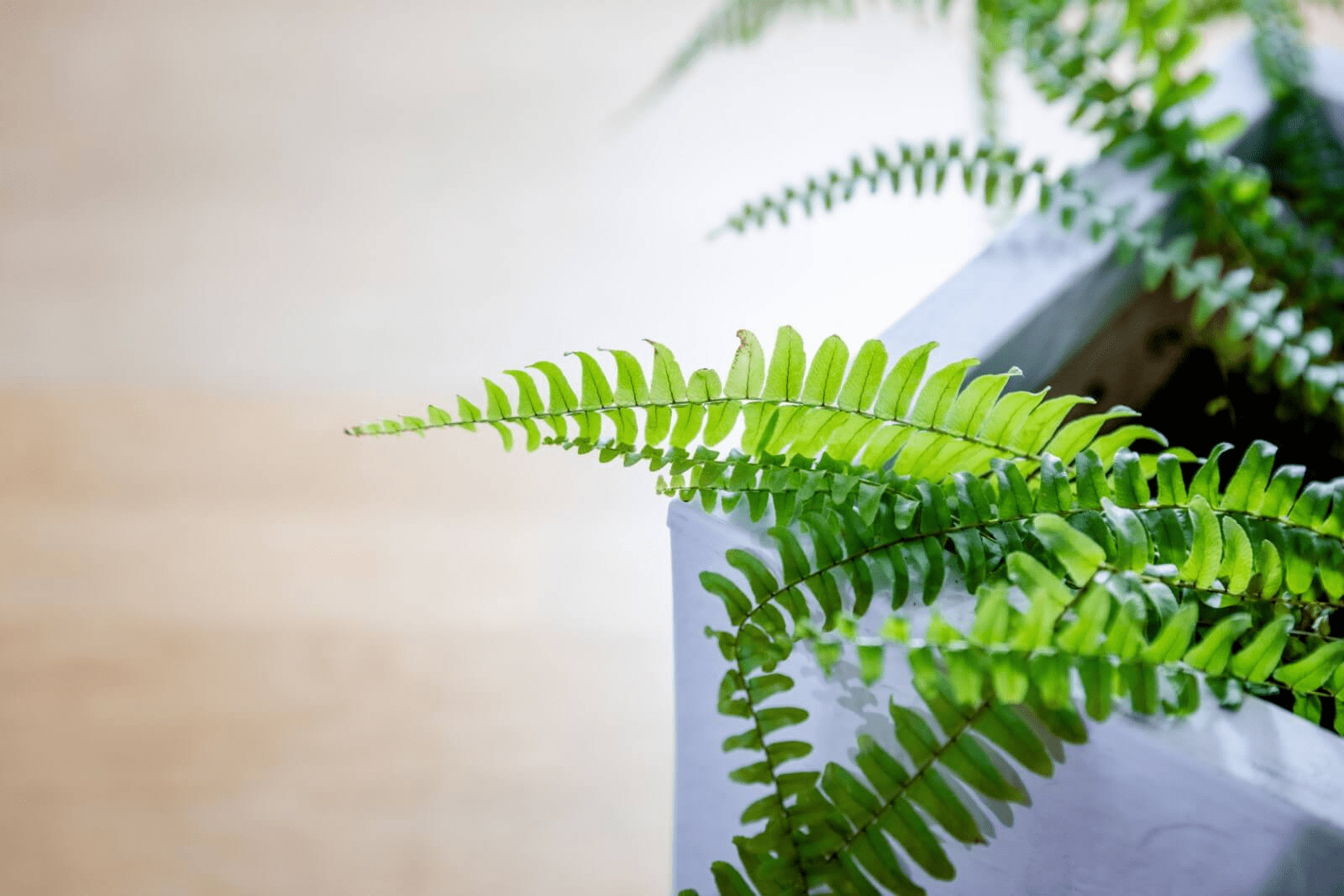
Spreading across North America, the New York fern became part of the folklore and cultural practices of various indigenous tribes. For some Indian tribes, this plant has become a symbol of good luck and positive energy thanks to its resistance, growth and regeneration. This played a significant role in their spiritual beliefs, making the New York fern even more culturally valuable.
In the 21st century, many New Yorkers consider this type of fern to be a simple decor in the house. It symbolizes money and wealth, as well as protects the house from evil spirits and thoughts.
The history of Amauropelta noveboracensis is not just the description of some plant species. It represents the relationship between people and the ever-evolving natural world. Once plunging into its past, one can learn an amazing history of its hardiness, research, cultural significance and environmental value. This type of fern can be found in parks and gardens, farms and squares in NYC.