

Park · New York · ⭐ 9.5/10 · 8540 reviews · updated: 2026-08-04 20:08:21
Address: Riverside, Dr To Broadway, New York, NY 10040, United States
Fort Tryon Park — Manhattan’s medieval headland above the Hudson
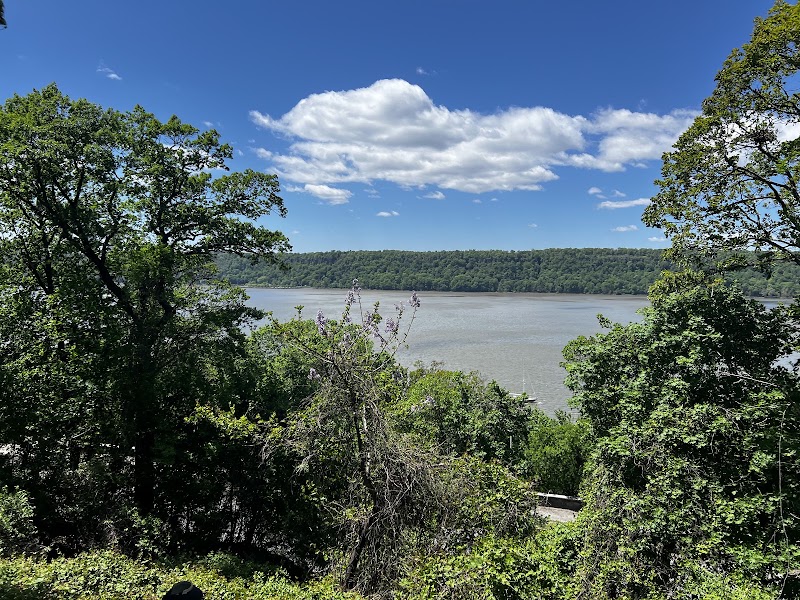
Sixty-seven acres of terraced rock at the northern end of Manhattan, laid out by Frederick Law Olmsted Jr. across ground so steep that the paths had to be carved into it. Fort Tryon holds a Revolutionary War battlefield, the burned-out footprint of a Gilded Age estate, one of the great heather gardens of the East Coast, and a medieval museum assembled from the stones of five French monasteries. The views run west over the Hudson to the sheer basalt wall of the Palisades — a view that exists because the man who gave the city this park also bought the cliffs opposite to stop anyone quarrying them. It is the most complete park experience in upper Manhattan and, for most visitors to the city, still an undiscovered one.
Highlights
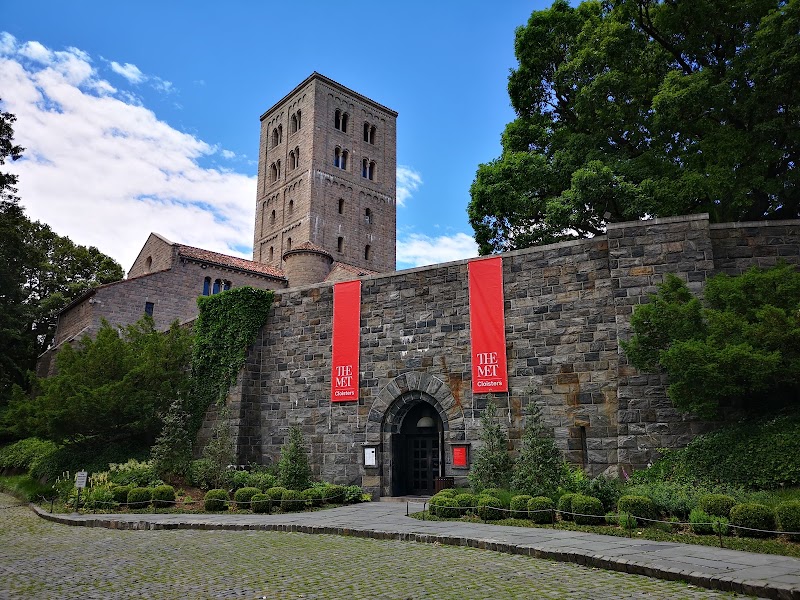
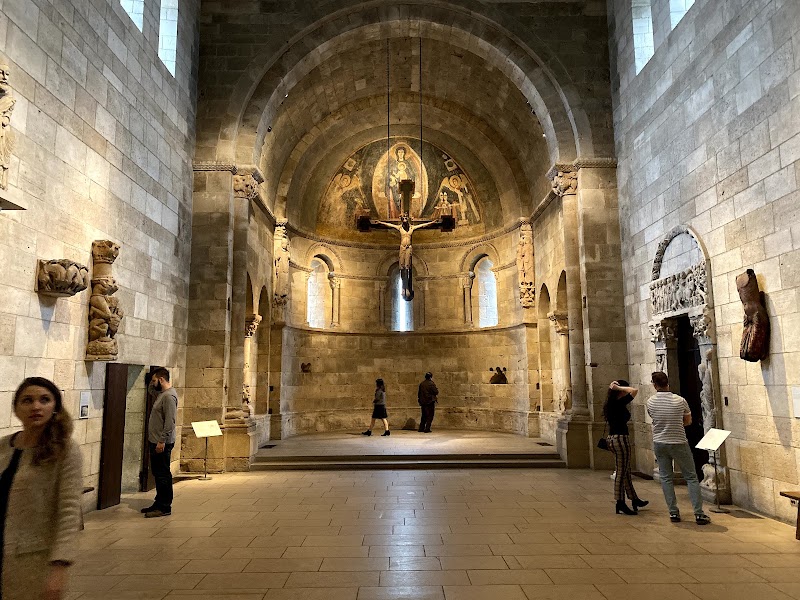
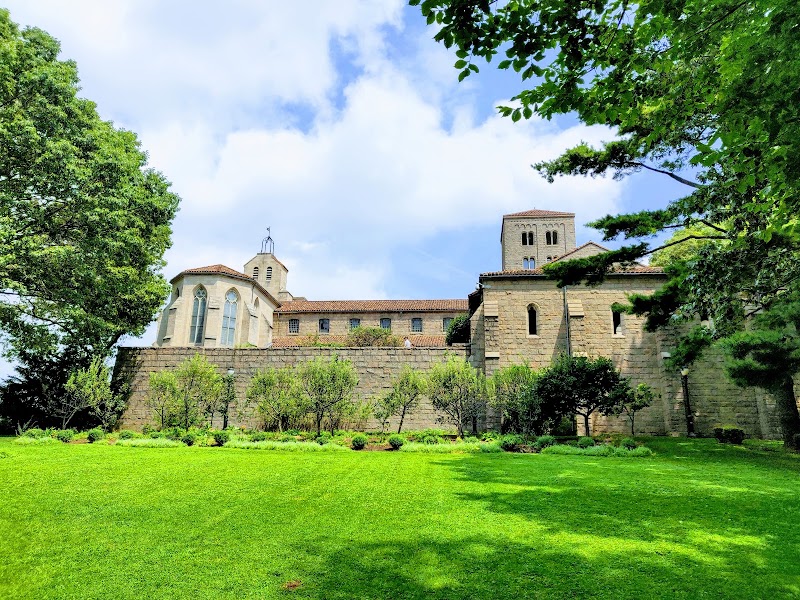
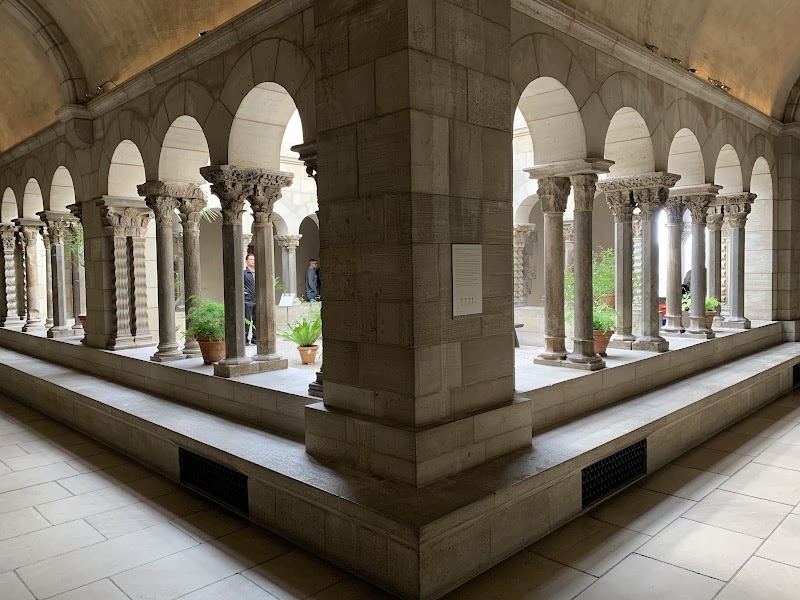
- The Cloisters — the Metropolitan Museum of Art’s branch for medieval European art, opened on May 10, 1938 to a design by Charles Collens, incorporating architectural elements from the French cloisters of Saint-Guilhem-le-Désert, Bonnefont, Trie, Froville and Saint-Michel-de-Cuxa. The Unicorn Tapestries hang here.
- The Heather Garden — three acres holding one of the largest public heath and heather collections on the East Coast, with a perennial border running roughly six hundred feet and hundreds of plant varieties, restored from near-total neglect beginning in the 1980s.
- Linden Terrace — the park’s high point, a stone-paved belvedere ringed with linden trees, standing on the ground where Fort Tryon itself was dug. The Hudson, the Palisades and the George Washington Bridge line up from here.
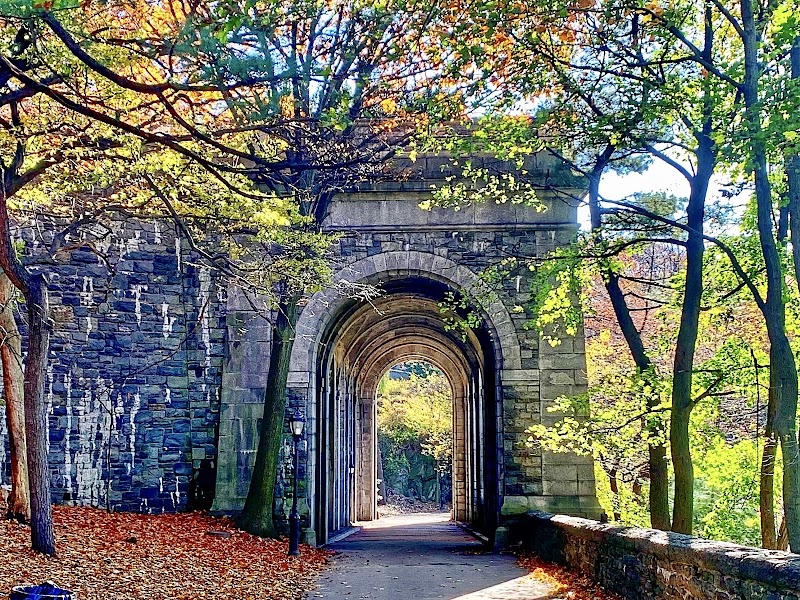
- The Billings remains — the arcaded driveway, retaining walls and stone stairways of Tryon Hall, the estate of Cornelius Kingsley Garrison Billings, whose mansion burned in 1925. The gatehouse survives as Fort Tryon Cottage.
- The Alpine Garden — a rock garden stepping down the western slope, planted for the thin soil and full exposure that would kill anything else.
- The Margaret Corbin memorial — a plaque and a named plaza honoring the woman who took over her husband’s cannon at the Battle of Fort Washington in 1776 and became the first woman granted a military pension by the United States Congress.
What you’ll find
Fort Tryon is built in tiers. The gardens and terraces sit on the crest; below them the ground falls away in wooded slopes toward the river, and stone walls and arches hold the whole composition together. Nothing here is flat by accident — the topography is the design.
- The Heather Garden and its perennial border, the park’s horticultural centerpiece and the reason many people come at all.
- Linden Terrace and a chain of smaller overlooks, each with different sightlines across the Hudson.
- Woodland slopes with mature oak, hickory and tulip trees, threaded by shaded switchback paths.
- The Anne Loftus Playground at the northern end, with play equipment, water play in summer and space for younger children.
- A dog run, lawns for sitting, and a café operating from the historic stone building near the main entrance.
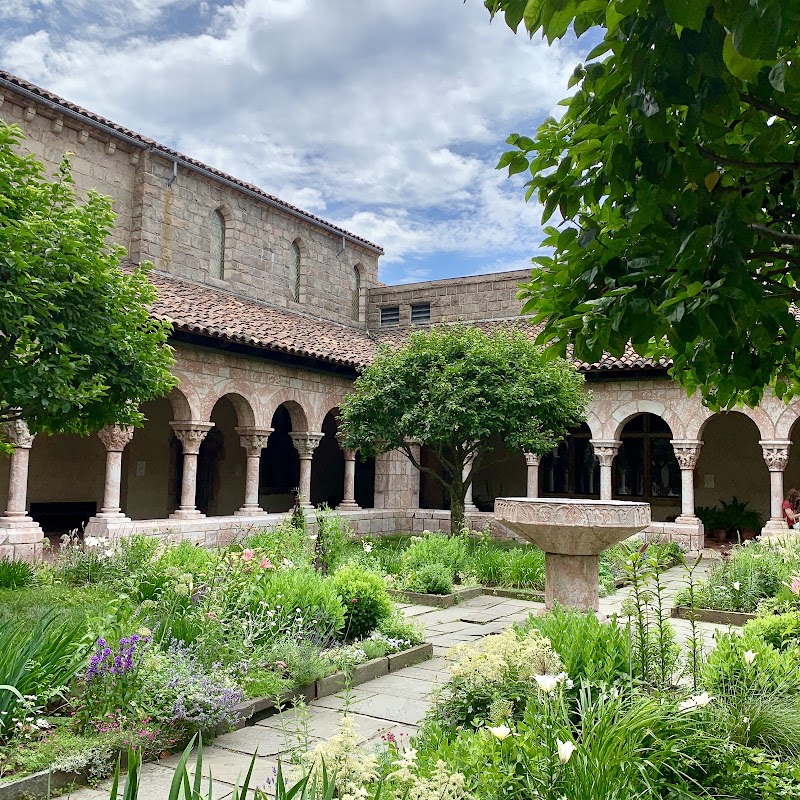
- The Cloisters and its enclosed gardens — the Bonnefont herb garden alone grows well over two hundred species documented in medieval sources.
Things to do — and who it’s for
- Garden people — the Heather Garden is a serious horticultural collection, not decorative bedding, and it holds interest in every month of the year.
- History readers — a Revolutionary battlefield, a vanished mansion and a purpose-built medieval museum within a ten-minute walk of each other.
- Photographers — the Palisades at sunset from Linden Terrace is one of the best free views in New York City.
- Families — the Anne Loftus Playground gives young children a destination; the terraces give everyone else somewhere to sit.
- Walkers and runners — the path network delivers real elevation change, rare on Manhattan.
- Museum visitors — the walk from the park entrance to The Cloisters through the gardens is half the experience; do not take a taxi to the door.
Getting there & practical
The park occupies the ridge of Hudson Heights in Washington Heights, at Manhattan’s northern end. The A train stops at the 190th Street station, a deep-level station whose elevators deliver you directly to the park’s main plaza — this is the easiest arrival by a wide margin. The M4 bus runs the length of the park and terminates at The Cloisters, which makes it the accessible option for anyone who would rather not climb. For the northern end and the playground, the A train at Dyckman Street and the 1 train at Dyckman Street both work. Entry to the park is free and it is open daily from early morning until around one in the morning. The Cloisters is a separate ticketed museum with its own shorter hours and its own closed days; the café is independently run. Allow two hours for the park alone, and a half day if you are adding the museum.
When to visit
Spring is spectacular — daffodils in tens of thousands across the slopes, then the flowering trees, then the Heather Garden’s perennial border coming into its long summer run. Summer brings deep shade on the woodland paths and a reliable river breeze on the terraces, which makes Fort Tryon several degrees more bearable than the streets below; this is also the season of the Sunday concerts and the busiest weekends. Autumn is the connoisseur’s choice: the slopes turn across October and early November, and the low sun off the Hudson lights the Palisades a burnt orange in the late afternoon. Winter is when the park’s bones show — the heaths of the genus Erica flower in the cold months, the stonework and the arches read clearly through bare branches, and the Medieval Festival crowds are long gone.
Good to know
The high ground here was fortified in 1776 as the northern outwork of Fort Washington and named by the British, after they took it on November 16 of that year, for Sir William Tryon, the last royal governor of colonial New York. During that battle Margaret Corbin took over the gun her husband John had been firing when he was killed; wounded herself, she was later granted a military pension by Congress in 1779, the first American woman to receive one. In 1905 the financier Cornelius Kingsley Garrison Billings built Tryon Hall on the crest, an estate famous for its stables; the mansion burned in 1925. John D. Rockefeller Jr. had begun buying the property in 1917 and gave the assembled land to the City of New York in 1931, commissioning Frederick Law Olmsted Jr., whose plan threaded eight miles of paths across the slope, to lay it out. The park opened on October 12, 1935. Rockefeller also bought the New Jersey cliffs opposite and gave them for parkland so that the view from Fort Tryon could never be built on, and he purchased the sculptor George Grey Barnard’s collection of medieval art, which became the core of The Cloisters in 1938. The park was designated a New York City scenic landmark in 1983. One update to the usual guidebooks: the New Leaf restaurant, long run in the park’s stone building by Bette Midler’s New York Restoration Project, closed in January 2020; the space now houses a different restaurant, The Bonnefont, which opened in 2023.
Visitor tips
- Arrive by the 190th Street station and leave downhill toward the northern end — that way the elevators do the climbing and gravity does the rest.
- Check The Cloisters’ opening days before you plan around it; the museum closes on days the park does not.
- Time a visit for the last two hours of daylight in autumn. Linden Terrace facing the Palisades at that hour is the single best thing the park does.
Questions & answers
Is Fort Tryon Park free? Yes, the park, the Heather Garden and all the terraces are free. Only The Cloisters charges admission, as a branch of the Metropolitan Museum of Art.
Are the park and The Cloisters the same thing? No. The Cloisters is a museum standing inside the park at its northern end. You can visit the park without ever entering the museum, and many local people do exactly that.
Who was Fort Tryon named after? Sir William Tryon, the last British colonial governor of New York. The British named the captured earthwork after him following the Battle of Fort Washington in November 1776.
Is the park accessible for wheelchairs and strollers? Partly, and better than its topography suggests. The 190th Street station elevators reach the main plaza, and the Heather Garden promenade and the M4 bus route to The Cloisters are usable. The wooded slope paths are steep and stepped.
What is the best month for the Heather Garden? There is no single answer, which is the point of the collection — the perennial border peaks in summer, but heaths flower through the cold months, so the garden is never entirely bare.
Can I bring a dog? Yes. There is a dog run in the park, and dogs on leash are welcome on the paths. Dogs are not permitted inside The Cloisters.
How much time does the park need? Two hours to walk the gardens, the terraces and a woodland loop without rushing. Add two to three more if you are going into the museum.
Is there anywhere to eat? Yes — a restaurant operates from the historic stone building near the main entrance, and The Cloisters has its own café for museum visitors.
Photos
Show 1 more photos
Visitor reviews
Reviews last updated: 2026-08-04 20:08:21
Data is refreshed monthly. Sources: new-york.name and editorial picks based on reviews.
Один з моїх улюблених невеликих пішохідних маршрутів у Нью-Йорку! Він зовсім не схожий на міський парк — відчуття, ніби ти оточений природою. Він багатий на історію, пропонує дивовижні краєвиди, має гарний квітник, фанта…
Мене переслідував хлопець, з яким я буквально мала піти на побачення в п'ятницю. Ну що ж, я не хотіла сьогодні тренуватися. Я хотіла плакати та жаліти себе, але замість цього я пройшла геть від болю та просто пішла невід…
Мій улюблений парк у Нью-Йорку. Топографія, побудована на манхеттенському сланці віком 450 мільйонів років, вражає своєю багаторівневою глибиною. Деякі скельні утворення, повз які ви проходите, виблискують та сяють, а пе…
Я просто обожнюю парк Форт-Трайон! Парк суперчистий і доглянутий! У цьому парку є багато чудових речей, які можна побачити. Влітку та восени квіти просто приголомшливі! По всьому парку ростуть красиві сосни. Великі валун…