

Modern New York, a vast and vibrant metropolis, has become a hub of creativity, offering endless opportunities to its residents. Historically, the city was home to more industrial districts and factories that powered various sectors of the nation’s economy. But alongside environmentally harmful enterprises, New York also had manufacturers that we might now call “eco-conscious.” These companies produced items like pianos, wallpaper, and numbering machines. Let’s delve into the history of one such company: the American Numbering Machine Company. Learn more at new-york.name.
What Are Numbering Machines?
Technology evolves so rapidly that numbering machines, once commonplace in the 19th and 20th centuries, are now largely forgotten. In their heyday, they were widely used by banks, offices, and libraries. These small devices, featuring rotors and gears, allowed users to create stamps with specific numbers or dates. They were used for time-stamping or logging actions. Larger machines stamped legal documents, ledger pages, and other numerical data.
Numbering machines first appeared on the market in the mid-19th century. One of the earliest successful manufacturers was a company called Bates. Its devices and numbering system became so popular within the legal system that the company’s name became a generic term for the process itself. In fact, the term is still used today, long after the machines themselves have faded into obscurity. For instance, the automatic numbering of pages in PDF documents is done using the “Bates numbering” system.
In the past, numbering machines were an essential business tool. Consequently, a number of manufacturers emerged to meet the market demand. One of the largest producers of these old-school gadgets was the New York-based American Numbering Machine Company. It boasted a wide range of numbering machines and held several patents for its inventions.
Founding and Early Days of the American Numbering Machine Company
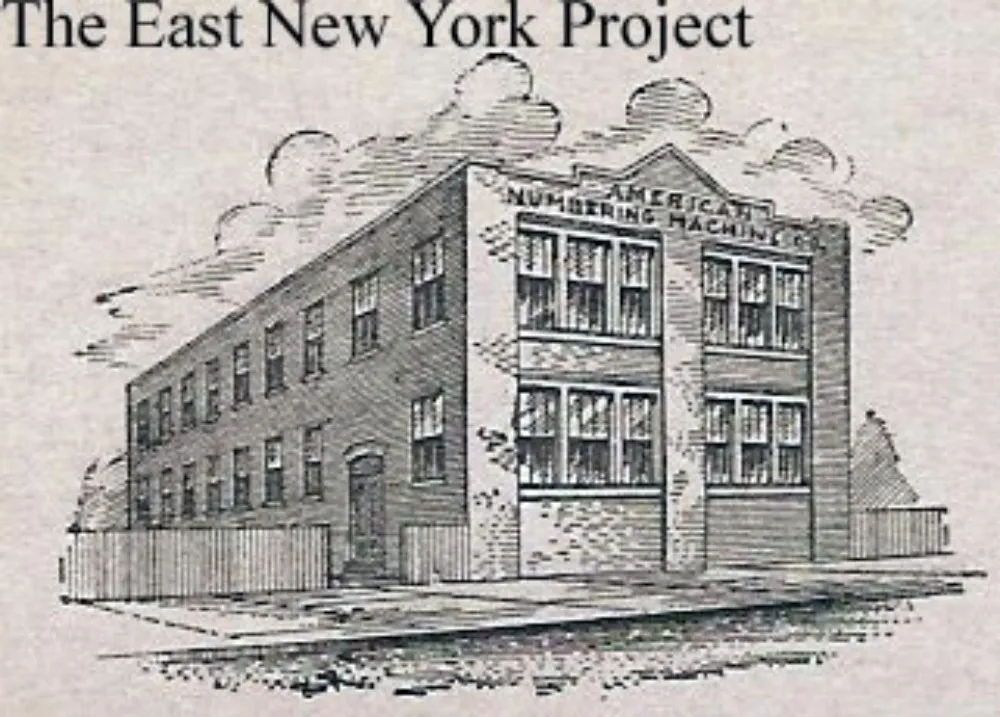
The American Numbering Machine Company was founded in New York City in 1908. It began its operations on Essex Street on the city’s East Side. Over the following years, production grew rapidly, requiring a larger facility. The new building was designed by architect Harold Dangler. While his legacy isn’t widely known today, in his time, he designed many factories and other industrial buildings in Brooklyn and other New York boroughs. The architect held senior positions in the local society of architects in the late 1910s and early 1920s.
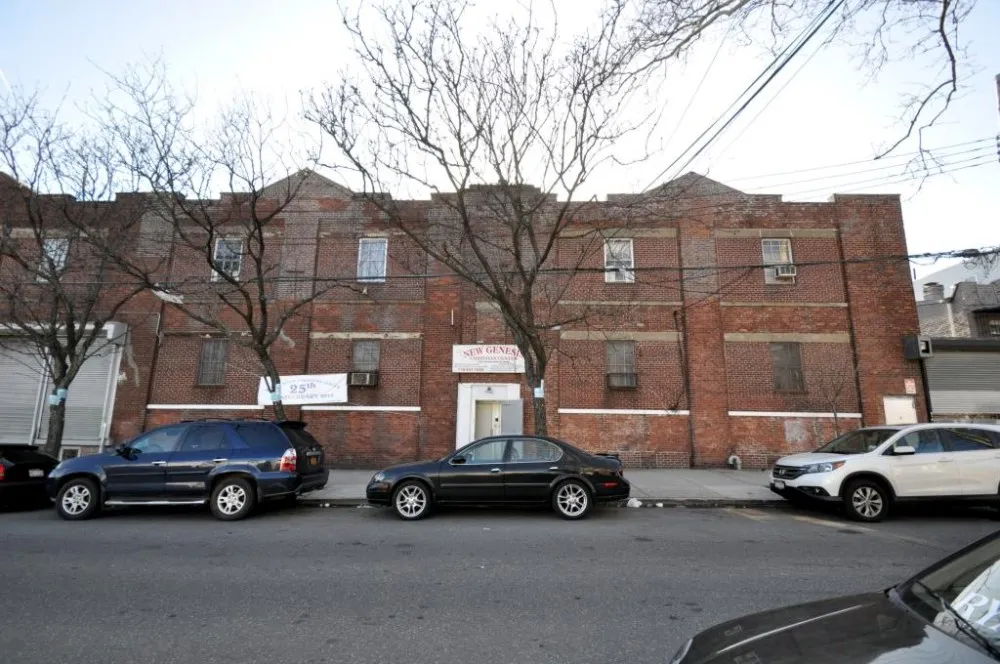
The new factory was built at 224 Shepherd Avenue in 1912. It was later expanded to its current form in 1919. This historic former factory building still stands in New York today. It is a two-story brick structure built in a 19th-century style. Previously, it was distinguished by its numerous large windows, which were essential for illuminating the workspace. After the factory closed, some of them were bricked up, and the remaining ones were made smaller.
The founders of the American Numbering Machine Company were Edward A. Jarvis, P.S. Riggs, and James A. Ferguson. All of them hailed from Manhattan. They were joined by the mechanical genius B.B. Conrad, who designed the numbering machines.
The company’s founding was met with enthusiasm. First, it created jobs. In its early years, the company employed 150 people who produced 400 to 500 numbering machines per week. They manufactured small handheld stampers as well as more complex desk-sized units and numbering machines for banks, libraries, department stores, and legal and government offices. Second, the manufacturing process was relatively harmless to both the workers and the environment. Unlike the industrial giants of the era, it was a small but beneficial enterprise that played an important role in New York’s economic development.
Numbering Machine Models from the American Numbering Machine Company
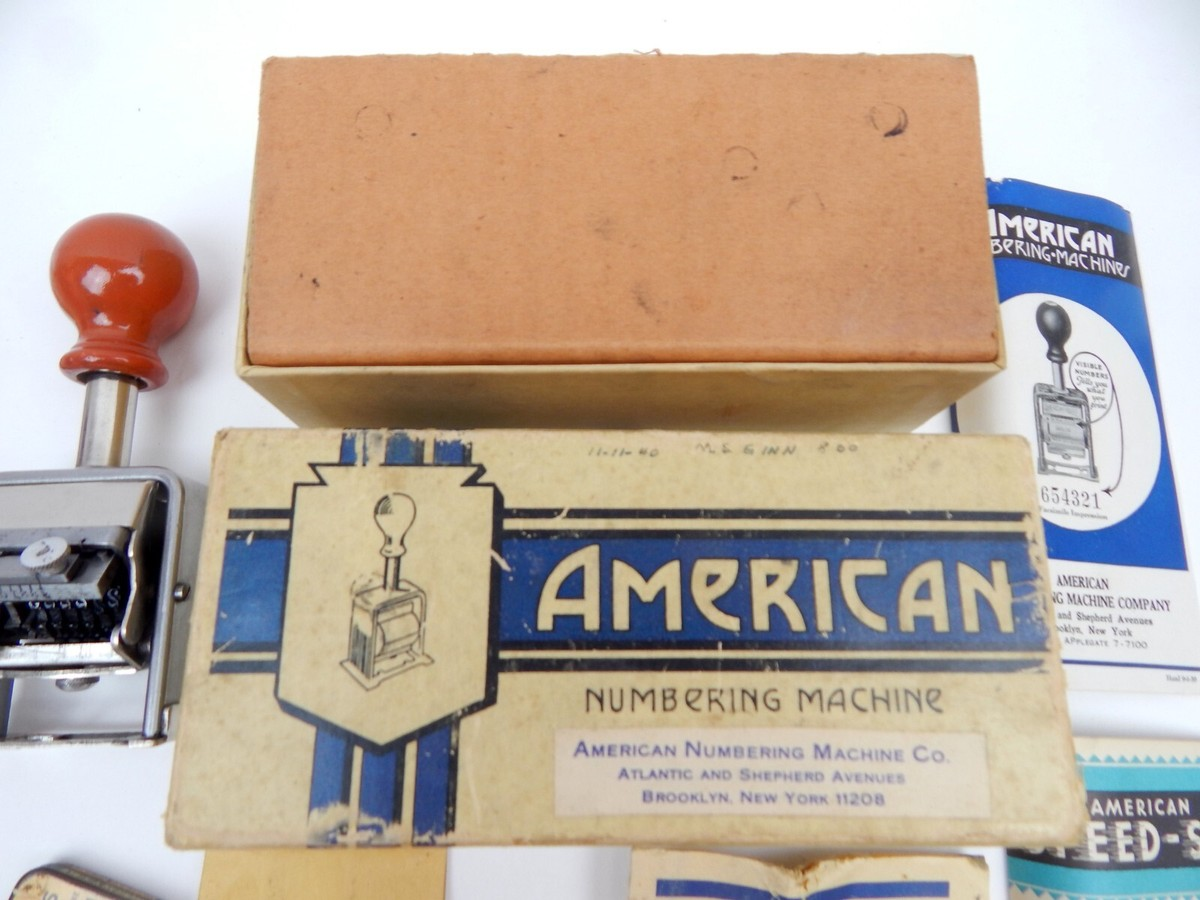
The American Numbering Machine Company produced its products in four main configurations, each available in two versions: a handheld model and a platform-mounted model:
- Model 42 had three wheels and two settings for whole numbers and fractions.
- Model 43 was based on the previous model but featured wheels with digits 1-0 and a dash. Letters could also be added. Additionally, this model could be custom-made with any number of wheels (up to a maximum of 18).
- Model 44 was designed as a combination of the two previous devices.
- Model 43J mirrored the Model 43 but ensured precise print alignment and a neater appearance.
The platform-mounted models were popular in banks, department stores, and other institutions for timekeeping purposes. Libraries, on the other hand, preferred the handheld models.
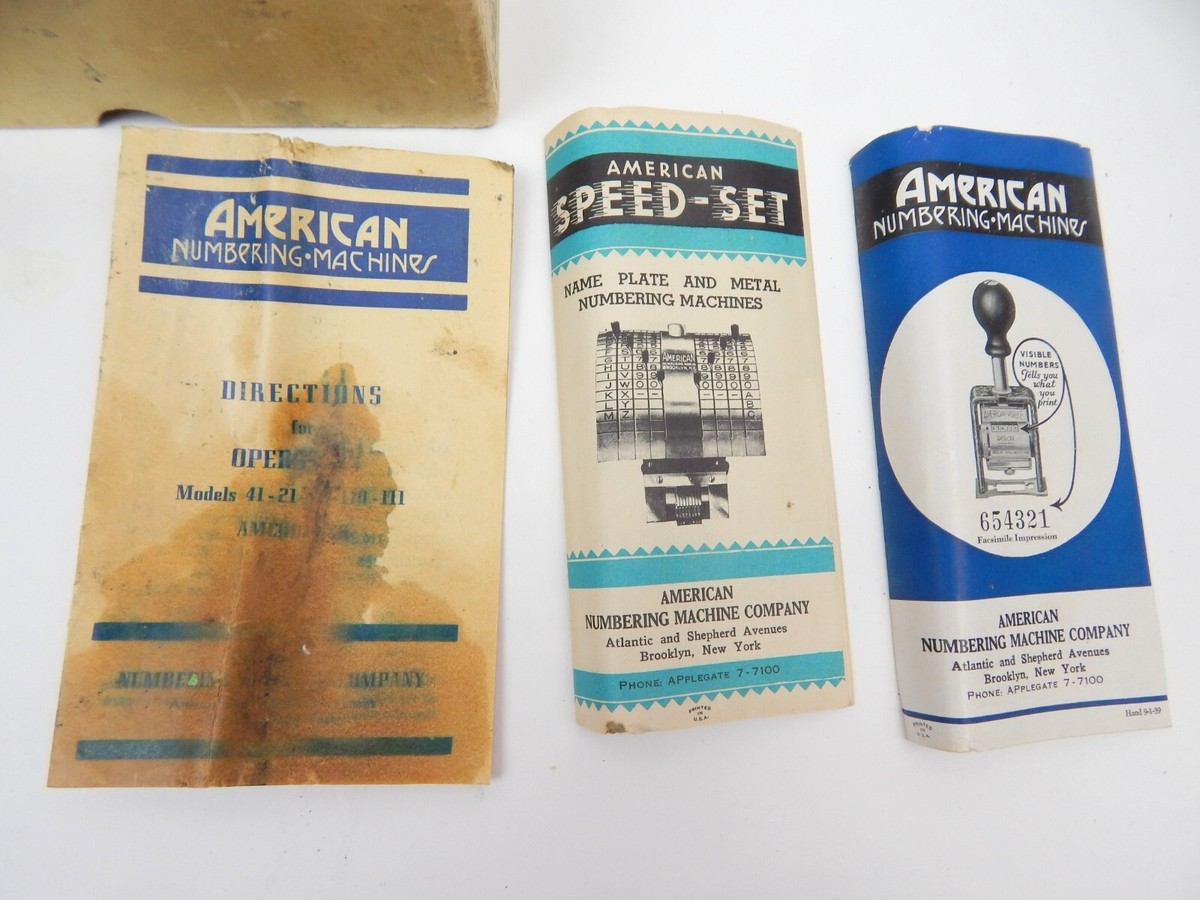
The most popular model in the American Numbering Machine Company’s lineup was the Model 43. It’s worth noting that it was technically quite complex and came in many variations. As a result, it can be found in various forms in modern collections. For example, one common version had seven wheels, weighed 2 pounds 8 ounces, and measured 4 inches wide, 3.5 inches long, and 7 inches high. The machine could be customized to meet specific needs.
In 1939, the base version of the Model 43 with 5 wheels was advertised for $70. Each additional wheel cost an extra $5. It’s important to note that the device was quite expensive by today’s standards. Adjusting for inflation, $80 in 1939 is equivalent to over $1,500 in the 21st century. This shows that the equipment was considered a serious and necessary investment, purchased by many institutions and companies.
The Company’s Closure and the Fate of its Building
Work at the American Numbering Machine Company involved die-casting parts, metallization, using drill presses, machine stamping, assembly, and calibration. The manufacturing process was quite complex, but workers were trained and handled these tasks expertly. Throughout this process, the environmental impact was minimal.
During World War II, the factory was repurposed to manufacture machinery and tools for the war effort, thanks to its expertise in metalworking. During this period, the company was not as environmentally friendly as before, but it was serving the needs of the front line.
After the war ended, numbering machines were produced at this location until 1971. They were eventually replaced by modern printing technology and the advent of personal computers. However, the methodology behind these devices was incorporated into algorithms for software like Acrobat, meaning that, in a way, they were digitized and live on in today’s technology.
After the American Numbering Machine Company closed its doors, the building was sold several times. However, manufacturing facilities were no longer a good fit for the neighborhood. In 1997, the building was purchased by the New Life Christian Center. Since 2003, it has been used by this organization along with the Followers of Jesus Mennonite Church.