

In 1901, a 58-year-old Henry Perky arrived at Niagara Falls with a mission: to build a new factory for his Natural Food Company. He was an energetic and resourceful man. Throughout his life, he had worked as a teacher, lawyer, and senator, helped build the Denver Central Railroad, and even invented steel railway cars. Perky was also a vegetarian and a passionate advocate for a healthy lifestyle. Learn more on new-york.name about the factory he founded near one of New York’s greatest landmarks.
The Health Food Movement and a Factory at Niagara Falls
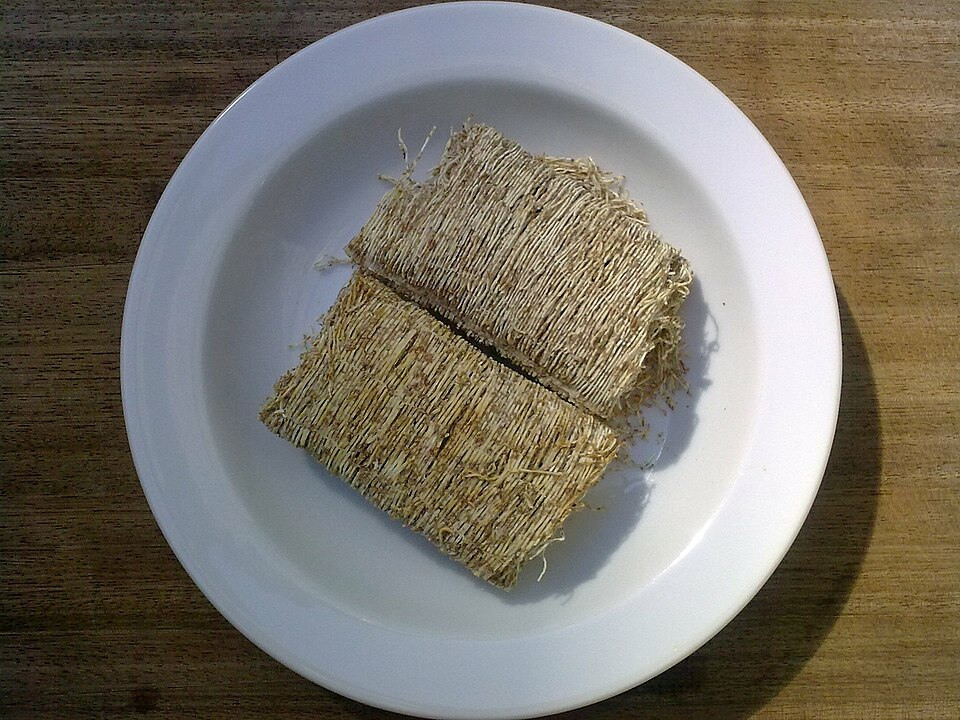
In 1890, Henry Perky invented the whole-wheat breakfast cereal. His process involved steaming the wheat and then running it through special shredding machines. The resulting strands were layered, cut into small biscuits, and baked. Perky was thrilled with the final product and began to vigorously promote his invention, highlighting the health benefits of his whole-grain biscuits.
At the time, he was working at a factory in Boston. He later moved to Worcester, Massachusetts, and began searching for a place to build his own plant for the Natural Food Company. Near Niagara Falls, the Niagara Falls Power Company had just started generating electricity and was actively recruiting companies to the area to buy its power.
The power company’s executives offered Perky a plot of land for his factory. However, he didn’t want to set up his facility among the “dirty” industries already operating there. Instead, the entrepreneur chose a 10-acre site bordered by the Niagara Reservation, Buffalo Avenue, 4th Street, and 6th Street. It was a residential area, located far from the large, polluting factories.
Local residents were divided over the project. Supporters welcomed the new investment and the potential for regional growth. Opponents, however, objected to the factory’s proposed location overlooking the Niagara Rapids. Furthermore, several private homes had to be demolished to clear the site. But this didn’t deter the determined entrepreneur.
To finance the large factory complex he envisioned, Perky offered investors $10 million in stock. Two of the company’s directors, William B. Rankin and Darius O. Mills, were also board members of the Niagara Falls Power Company, from which Perky’s company committed to purchasing 2,500 horsepower of electricity.
“The Palace of Light”: An Eco-Friendly and Beautiful Factory
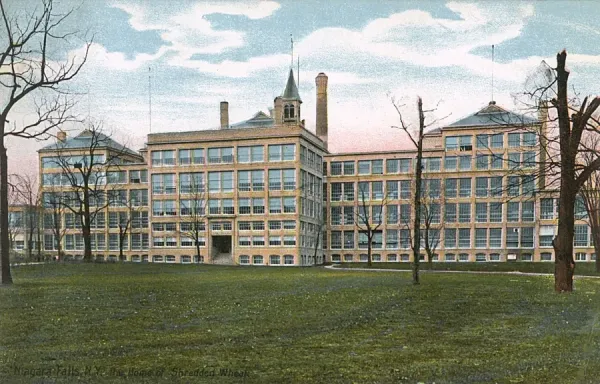
The architectural firm Earl & Fisher was hired to design the new plant. Perky envisioned a “Palace of Light,” so the building featured a steel frame and 844 windows. The founder also wanted the factory to be an environmentally friendly and pleasant place for his employees, so he brought in the Olmsted brothers from Boston to design the surrounding landscape. Their plan included landscaped paths, playgrounds, a tennis court, a playing field, and garden plots—all remarkably innovative for the era.
The factory building was five stories tall and housed the shredded wheat manufacturing and packaging operations. Next to it stood a four-story administrative building for offices and visitors. The construction used 4 million bricks, 200 tons of marble, and 30,000 panes of glass. The total cost of the project was $2 million.
The new factory opened in 1901, coinciding with the Pan-American Exposition. The first whole-grain biscuits were produced there in May of that year. Perky actively promoted his products and organized tours of the factory.
He was confident that seeing the manufacturing process up close would win many new converts to his shredded wheat products and his philosophy of health. As a result, factory tours remained a key part of the company’s marketing strategy until the mid-20th century. Many tourists would first visit the famous waterfall and then tour the factory. The number of visitors averaged about 100,000 each year.
During the tour, visitors could watch the machinery in action, visit a demonstration area, and enjoy a complimentary healthy lunch. Guides led guests across the 5.5-acre grounds, up to the rooftop garden, and invited them to attend a lecture on nutrition, cooking, and healthy living.
The Company and Its Workers
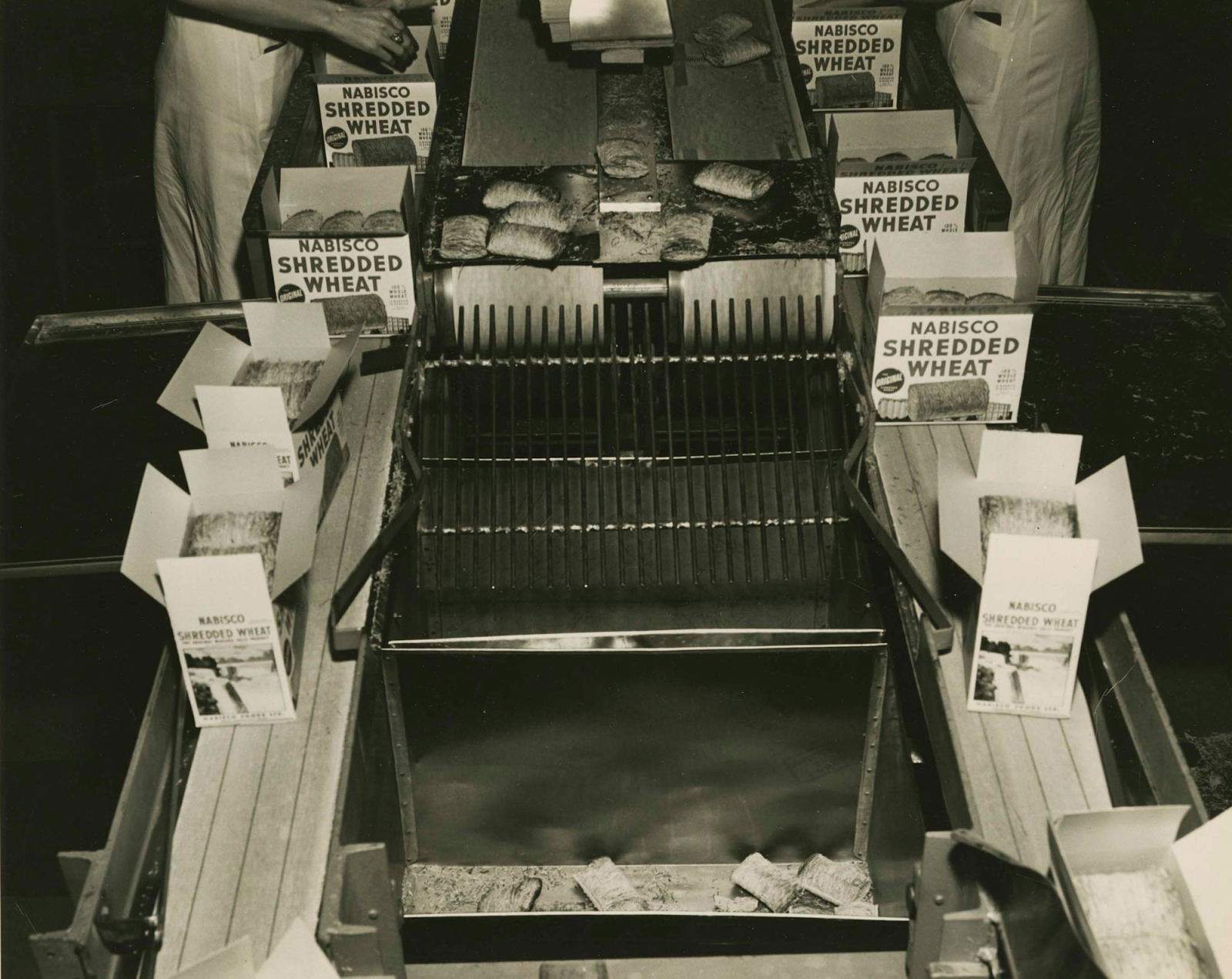
Henry Perky was concerned not only with promoting a healthy lifestyle and protecting the environment but also with the well-being of his employees. His factory employed an average of 500 workers, who enjoyed numerous benefits. Each employee had a personal locker, and the facility was equipped with 13 showers and 13 bathtubs, complete with towels and soap.
Men and women dined in separate areas. Women ate for free, while men paid 10 cents. A typical lunch included vegetable soup, wheat toast, beef patties, baked potatoes, beet salad, brown bread, pudding, and coffee. Workers were given an hour for lunch, in addition to two 15-minute breaks in the morning and afternoon.
Employees had access to a library and could take classes in stenography, mathematics, and printing, as well as lessons in etiquette, dancing, singing, and playing musical instruments. The company also organized hobby clubs, lectures, and social events. Moreover, the factory hosted public events, which further boosted its popularity.
Perky’s Departure and the Company’s Fate
Shortly after opening the new factory, Henry Perky announced plans to build an educational institution for young women with the firm Esenwein & Johnson. In the summer of 1904, he resigned as president of the Natural Food Company. The board of directors elected William Hamlin to replace him. The board prioritized profits, a concern that Perky’s impulsive nature and innovative ideas often overlooked.
The inventor of the whole-grain biscuit sold his shares and moved to Glencoe, Maryland. However, his health soon deteriorated, and he passed away in 1906.
As for the factory at Niagara Falls, it continued to thrive:
- In 1908, it was renamed the “Shredded Wheat Company,” and a second factory was opened.
- In 1910, images of Niagara Falls began to appear on the product boxes.
- In 1914, new warehouse facilities were added.
- By 1921, new factories had been built not only in the U.S. but also in Great Britain.
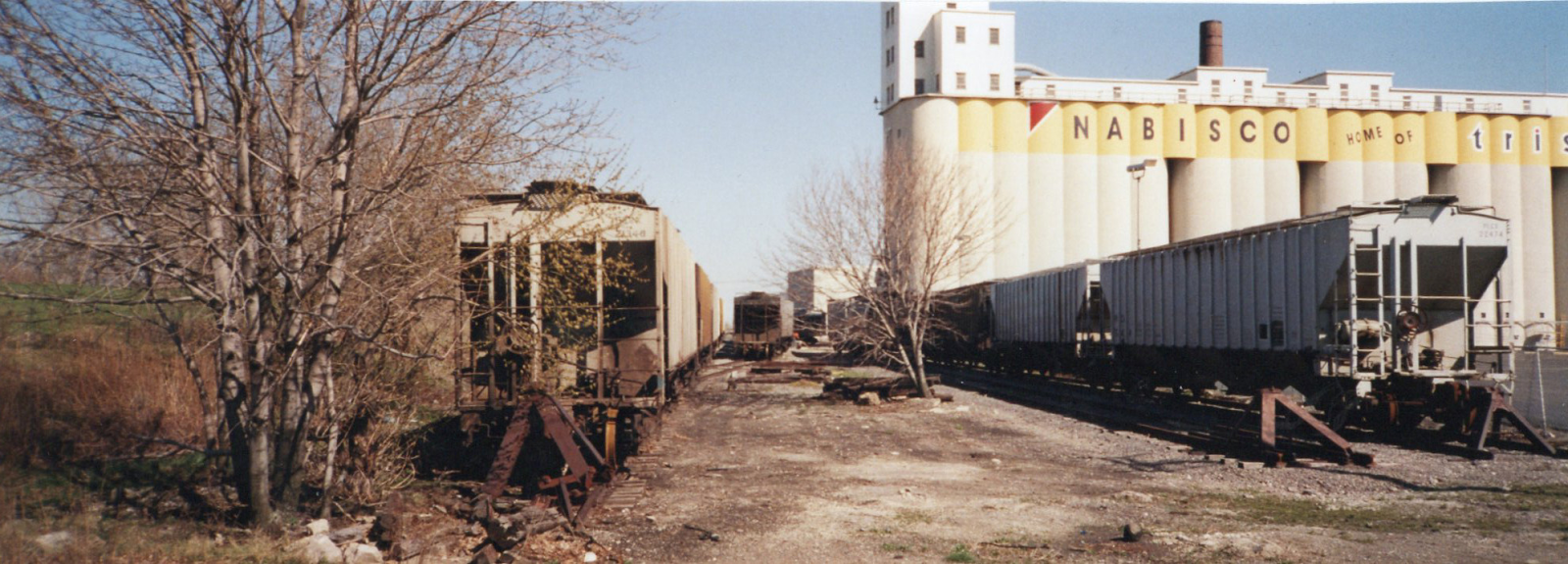
- In 1928, the company was acquired by Nabisco and was renamed “Nabisco Shredded Wheat” in 1941.
In 1954, the new owners put the original factory and administrative building up for sale. Two years later, the administrative building was closed and leased to the Union Carbide company. In 1963, Niagara County Community College began operating out of the building, while the factory itself was demolished.
When the college relocated 10 years later, the administrative building was threatened with demolition. Thanks to the efforts of local preservationists, it was added to the National Register of Historic Places, but it was demolished anyway in 1976.
The production of whole-wheat products at Niagara Falls came to an end, closing a chapter on the factory Henry Perky had founded. However, his ideas remain popular to this day, and his groundbreaking enterprise not only avoided harming Niagara Falls but actually helped promote this natural wonder.