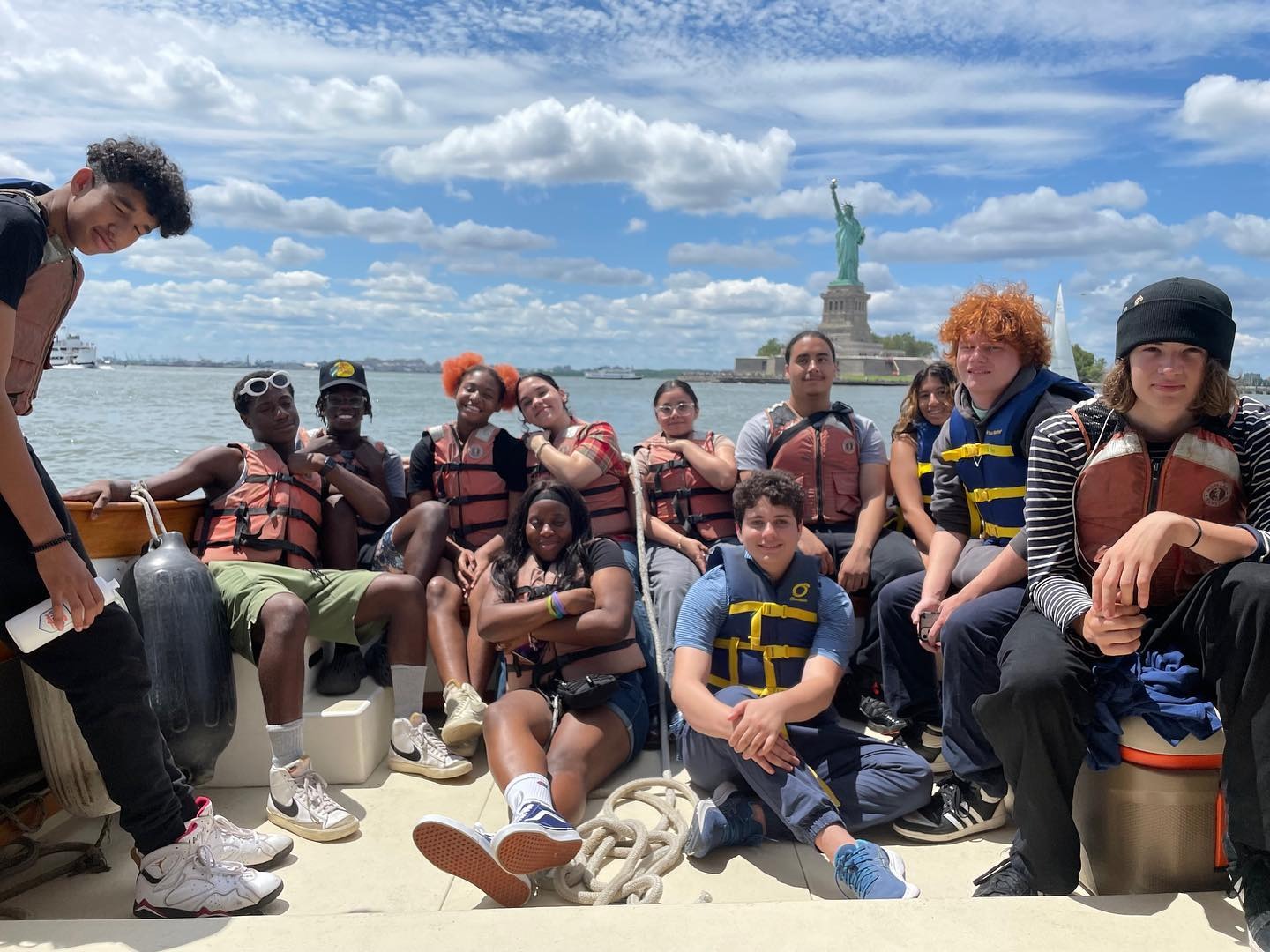
A few centuries ago, New York was famous for its oysters. Today, it is increasingly known for grassroots environmental initiatives aimed at restoring this vital marine species. One of the most successful efforts is the Billion Oyster Project. Its goal is clear and ambitious: to restore one billion oysters by 2030 – a mission spelled out right in the project’s name. But the team didn’t stop there. The organization is deeply invested in the future of New York Harbor and the people who depend on it. That’s why its work goes far beyond oyster restoration. It includes educational programs, scientific research, partnerships with other institutions, and the creation of a community united by a shared environmental vision. To learn more about this initiative, visit new-york.name.
Oysters and New York
New York is known worldwide for its skyscrapers, cultural institutions, fast-paced lifestyle, and endless opportunities. It’s hard to imagine now, but in the 17th century the city boasted one of the richest ecosystems on the planet. At the time, New York Harbor was home to roughly half of the world’s oyster population. Today, oysters are a species in need of protection and restoration. This dramatic contrast is the result of centuries of pollution and a consumer-driven attitude toward nature. To understand how things changed, we need to start from the beginning.
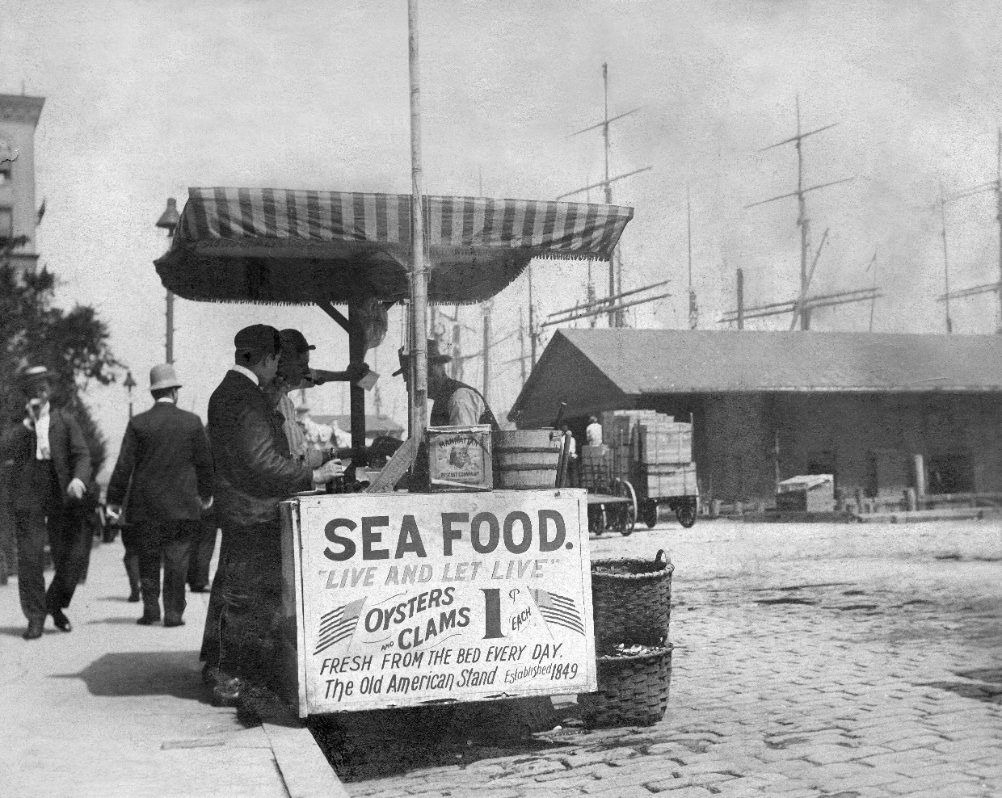
In the 17th century, New York Harbor was a true paradise for marine life. Many species thrived, but oysters – small, unassuming, yet incredibly valuable – played a leading role. They supported the health of the water and contributed directly to the city’s prosperity. New Yorkers couldn’t imagine a day without this beloved delicacy, while other cities eagerly awaited shipments of fresh oysters. The port city’s reputation attracted travelers who marveled at New York’s oyster abundance. Many hoped not only to taste them, but also to profit from them. While the economy flourished, oyster stocks steadily declined. As early as 1715, authorities passed a law banning oyster harvesting. The ban, however, proved unpopular and was repealed in 1807.
From there, the situation only worsened. In 1849, New York introduced a sewer system, and polluted water began flowing directly into the harbor. Survival became increasingly difficult for oysters and other marine species. It took decades to improve conditions, and a return to the past is no longer possible. Still, environmental laws and growing public responsibility have made the harbor livable again. The next step is restoring life to it. With oysters come cleaner water, stronger ecosystems, and better protection from storms. That’s where the Billion Oyster Project enters the story.
The History of the Billion Oyster Project
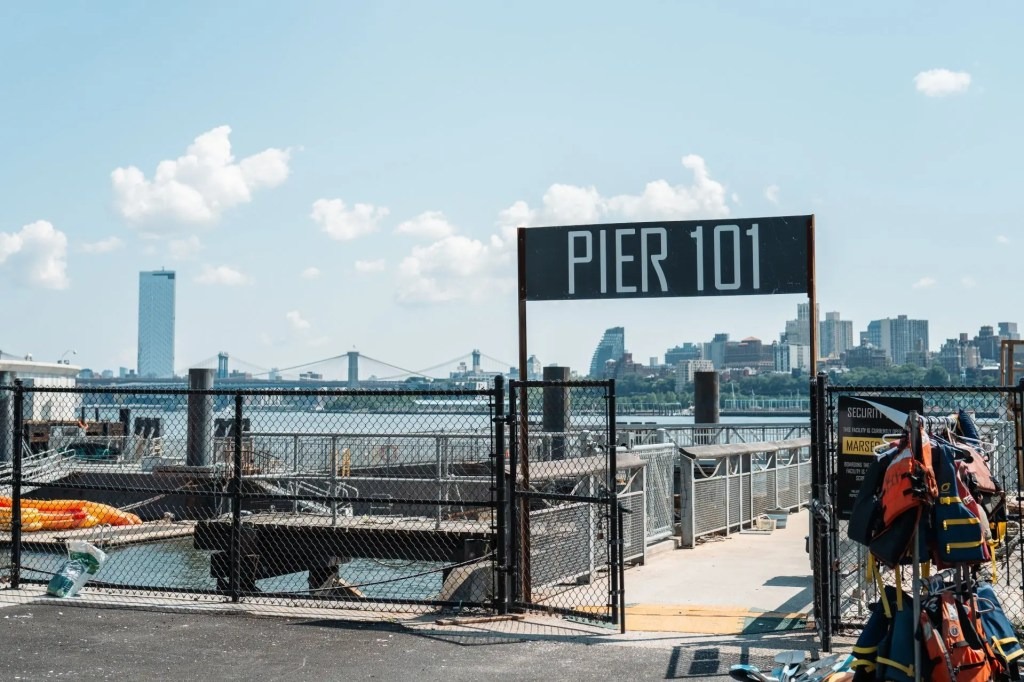
The Billion Oyster Project was officially founded in 2014, but the idea had taken shape long before that. It all began with Murray Fisher and Pete Malinowski. Both men shared remarkably similar backgrounds. Fisher grew up on a farm, spent his childhood fishing, and devoted most of his free time to the outdoors. He later pursued biology, driven by a desire not only to study nature, but to actively protect it. He gained hands-on experience working with a New York organization focused on water quality. Inspired by that work, Fisher realized he could create something similar – something that would improve life for New Yorkers. This led him to develop an educational program that allowed students to interact with their local environment and help restore it. In 2008, that vision became reality with the founding of the New York Harbor School on Governors Island. It was there that Fisher met Pete Malinowski.
Like Fisher, Malinowski grew up on a farm. His parents raised oysters, and his childhood was spent near the water, working alongside them and studying the natural world. Farming fascinated him more than anything else, and he spent countless hours learning how to care for oysters. As an adult, his passion turned into a profession, which he pursued in New York. He joined the staff of the New York Harbor School, where his path crossed with Fisher’s. The two quickly realized they shared the same values. Both had embraced an environmentally conscious way of life from an early age and wanted to pass that mindset on to others – especially children growing up in big cities. Together, they decided to focus on restoring New York’s oyster population while actively involving students in the process.
After years of planning, the Billion Oyster Project officially launched in 2014. The organization set an ambitious target: restore one billion oysters and engage one million people in the effort. To achieve this, the team expanded in multiple directions. Education, public outreach, partnerships, and daily hands-on work in the harbor all became part of a comprehensive strategy. The plan required significant resources and a committed network of supporters. Today, the organization boasts a skilled team, a strong operational system, and a long list of accomplishments.
What the Organization Does
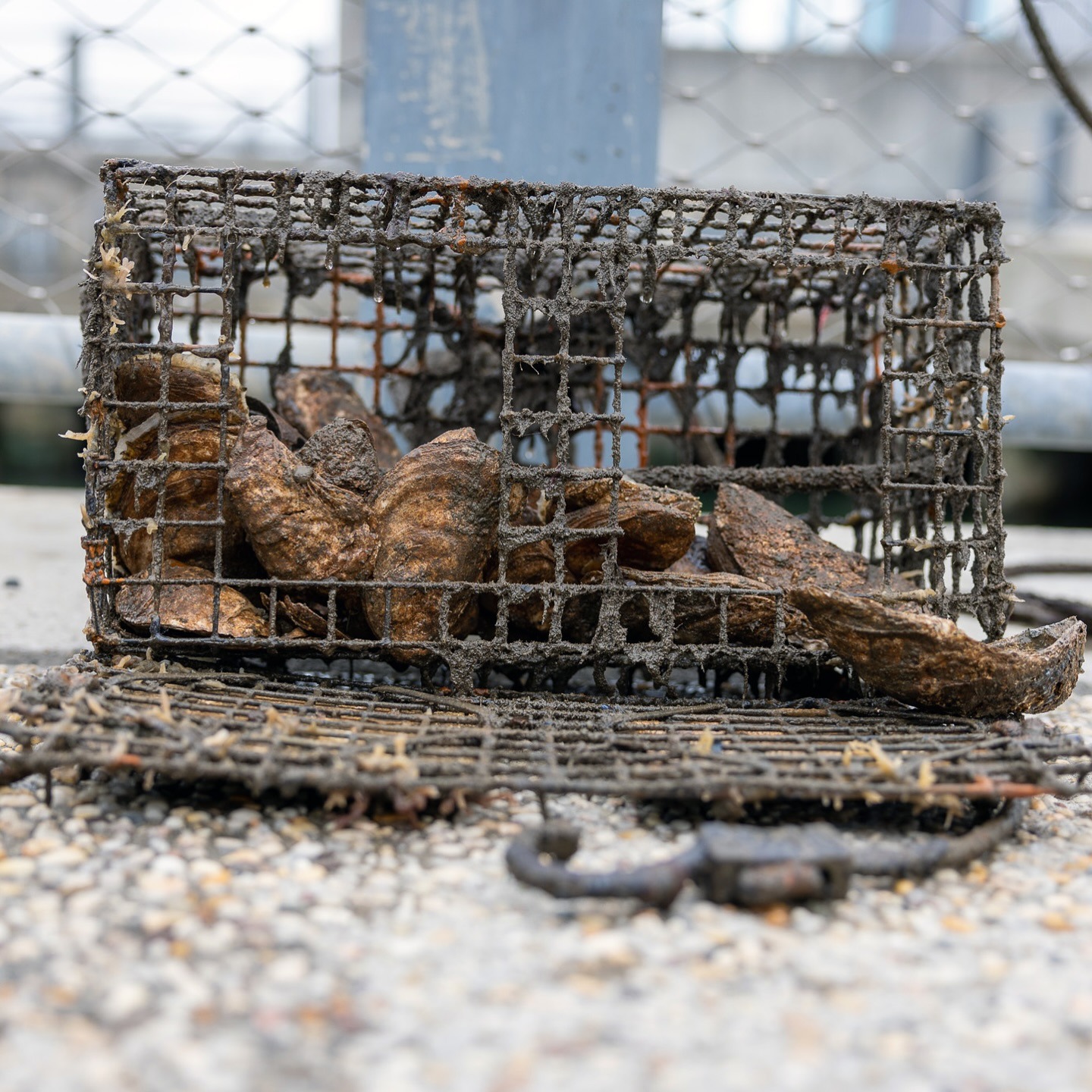
At the heart of the Billion Oyster Project is the return of oysters to New York Harbor. Achieving this requires the involvement of many people and institutions. The first step is collecting oyster shells – and there are never enough of them. The organization partners with more than 70 New York City restaurants, which donate discarded oyster shells. These shells are transported to Governors Island, where they are left outdoors for an extended period to naturally cure and clean. From there, the New York Harbor School takes over. Students and instructors place the shells into special metal structures called gabions. Oyster larvae are then introduced and allowed to attach themselves to the shells. Everything happens in conditions as close to nature as possible. The tanks are filled with harbor water, and once the larvae mature into oysters, they are transferred into open waters.
Although the project now operates on a large scale, it began in the school’s basement. That’s where Pete Malinowski conducted his first experiments with students. Today, the Billion Oyster Project spans all five boroughs of New York City and has successfully restored oysters at 17 different sites. Challenges remain. Millions more larvae are still needed to reach the target population, and it’s difficult to measure exactly how many oysters survive and thrive as a direct result of the project. Still, each year brings stronger results and measurable progress.
From the very beginning, the oyster reef restoration effort had a second, equally important mission: education. The leadership of the Billion Oyster Project has consistently emphasized that learning is a vital part of its work. The New York Harbor School offers programs designed to prepare students for careers in maritime fields. This approach perfectly reflects the founders’ original vision. They spent their lives closely connected to nature and wanted to share that experience with others. More than that, the project is not only impactful today – it is built with the long term in mind. Responsibility for the harbor’s future is gradually being passed to young people who genuinely care about New York and its environment. That’s why the school offers programs in ocean engineering, aquaculture, professional diving, marine policy and advocacy, and more. In addition, the organization partners with other educational institutions across the city to encourage young New Yorkers to get involved in protecting and restoring the harbor.
Living Breakwaters
One of the most significant initiatives the Billion Oyster Project has joined is Living Breakwaters. The world first learned about the concept in 2010, when SCAPE Landscape Architecture presented it at an exhibition in New York. While the idea was innovative, it did not move forward at the time. Two years later, Hurricane Sandy hit the city, forcing officials to rethink coastal safety. As a result, the project gained new relevance in 2014. That year, it won the Rebuild by Design competition and received a $60 million grant. The core idea was to build a protective barrier along the southern coast of Staten Island that would reduce the force of incoming waves. Construction began in 2021 and was completed in 2024. The structure is made of environmentally engineered concrete and forms an entire reef-like habitat – an ideal environment for oysters and other marine species.
While SCAPE handled construction and engineering, the Billion Oyster Project became responsible for restoring oyster populations within the structure. Oysters play a critical role in New York’s ecosystem. The collapse of their population turned into a serious threat to the safety and well-being of both the city and the harbor. Although the concrete barrier is strong on its own, it also serves as a home for oysters. The more oysters that settle there, the more effectively waves are weakened. That’s why the project’s organizers turned to the Billion Oyster Project and its restoration team. Living Breakwaters is a multi-purpose initiative. Beyond coastal protection, it also aims to engage young people in environmental action – another mission the Billion Oyster Project is especially well equipped to carry forward.