

Birdsill Holly was a prominent mechanical engineer and inventor from New York. His 19th-century innovations truly revolutionized the field of hydraulic systems. He became famous for his work developing a fire protection and water supply system—an integrated network that significantly improved urban fire safety and water distribution in the late 19th century. His main inventions—the fire hydrant and the hydraulic rotary pump—played a vital role in modernizing urban infrastructure. Read more at new-york.name.
A Difficult Childhood
Holly was born in Auburn, New York, in 1820. He grew up in a very ordinary family. His father worked wherever he could, constantly trying to provide for his family. He first worked with a construction crew in Auburn building a prison. When that was finished, he found work on a theological seminary. After that, he repeatedly but unsuccessfully tried his hand at farming. Soon, the entire Holly family moved to Seneca Falls, New York, where his father hoped to find a job in the booming hydroelectric industry.
When Holly was eight years old, tragedy struck his family: his father passed away. Since his father was the sole breadwinner, young Holly had to quit school—he was only in the third grade—and start providing for his family. Like his father, he showed a special interest in mechanical skills from a young age. He began his career as a cabinetmaker’s apprentice and later became a certified mechanic. As a teenager, Holly became a superintendent in the machinery trade and later owned a machine shop in Uniontown, Pennsylvania. Slowly but surely, Holly was climbing the career ladder.
A Partner in a Major Company at 20
Although Holly’s career started with various jobs, his passion for mechanics remained constant. So, in 1845, Holly returned to Seneca Falls, New York, and became a partner in a new firm called Silsby, Race and Holly. The company manufactured hydraulic machines and steam-powered fire engines. At the time, cities were growing rapidly, and the demand for efficient and reliable water supply systems was on the rise. Holly realized that the existing water distribution methods across New York State weren’t keeping up with the fast-growing needs, especially when it came to firefighting. His solution was a system that could deliver high-pressure water on demand, which revolutionized how cities managed fire emergencies. While working there, Holly made significant contributions to the company’s success. In 1849, he received his first patent for a rotary water pump.
Holly’s Engineering Inventions
While at Silsby, Race and Holly, Holly co-authored a steam-powered fire engine called the “Silsby.” The machine was first produced in 1856, with a total of 1,000 units made. Holly’s invention became the most popular steam-powered fire engine at the time, not just in the state but throughout the entire country.
Each machine weighed about 9,500 pounds (4,300 kg) and produced 60 pounds (27 kg) of steam pressure. This power was enough to shoot four streams of water over 200 feet (61 m) high.
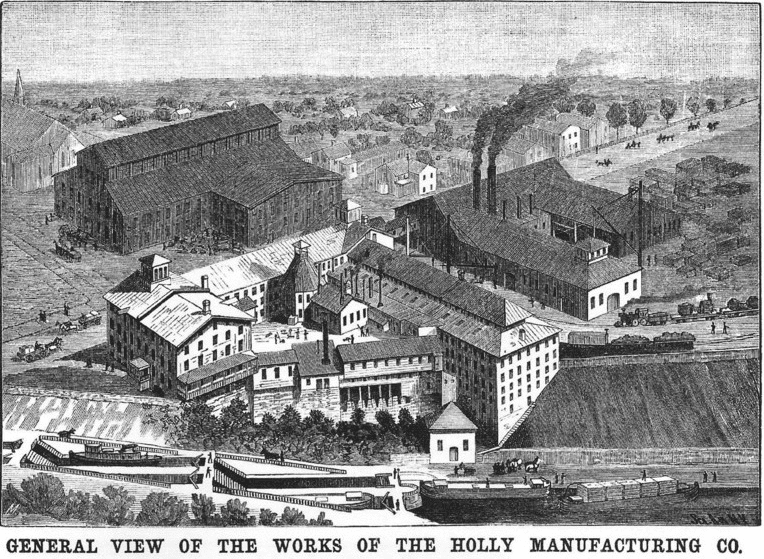
In 1859, Holly founded his own company, the Holly Manufacturing Company. From that point on, Holly began manufacturing sewing machines, pumps for cisterns, and rotary pumps.
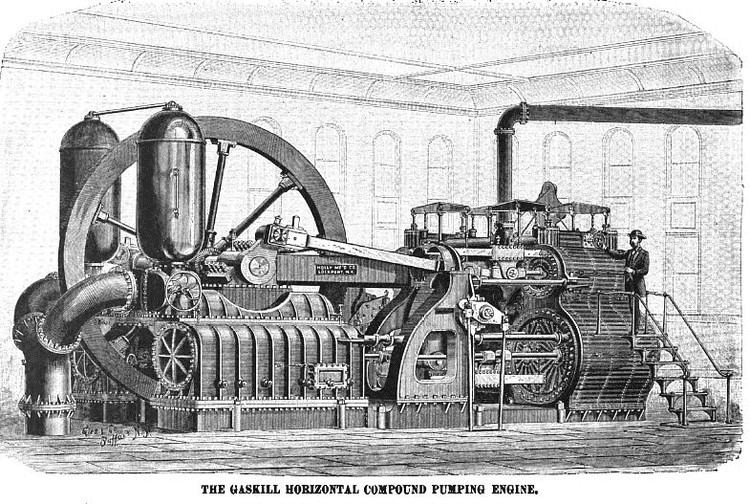
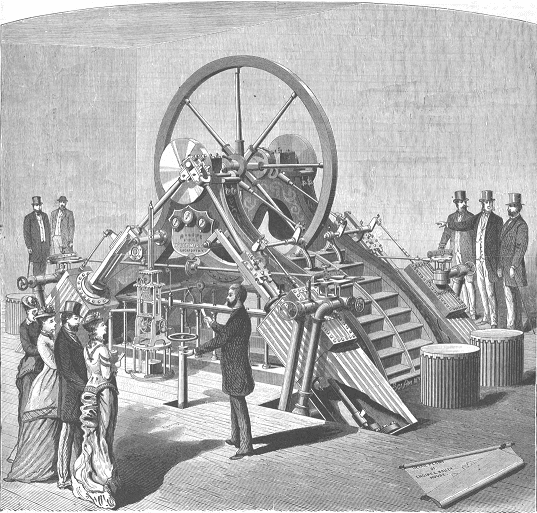
In the 1860s, Holly gained more fame after inventing a fire protection and water supply system. In this system, he used pumps powered by water turbines and steam engines to deliver water to city fire hydrants. One of the first cities to adopt this system was Covington, Kentucky, though it didn’t happen until 1871.
The fire hydrant, which Holly invented for fire protection and patented in 1869, also deserves special recognition.
Every one of Holly’s inventions was truly revolutionary. At the time, cities were growing quickly, and the demand for efficient and reliable water supply systems was on the rise. Holly was a true pioneer whose innovations left a lasting mark on 19th-century engineering.
But Holly didn’t just make a name for himself with steam-powered hydraulic systems. In the late 1870s, he shifted his focus to central heating. He specifically wanted to bring his steam concept of central heating to cities. Throughout his life, he patented an impressive 150 inventions.
Unfortunately, Holly also had some unrealized ideas. For example, he dreamed of building a 12-story skyscraper. He also believed that Niagara Falls would one day become a major tourist attraction in the region, so he proposed building a special observation deck nearby. Sadly, these ideas were never brought to life during his lifetime.
The talented engineer passed away in 1894 at the age of 74. Throughout his life, he suffered from various chronic illnesses, though his death certificate listed heart failure as the cause.
Sources: