

The history of mining in New York dates back to its indigenous peoples, who were well-acquainted with local resources like flint, clay, and pigments. With the arrival of European settlers, a new era of iron mining began, a practice that would span centuries and undergo constant refinement. By the late 19th century, New York had also become the region’s leading salt producer. Today, the industry primarily extracts sand, gravel, and crushed stone, a sector regulated by the Mined Land Reclamation Law. Learn more at new-york.name.
The Dawn of Mining
Mining in present-day New York began shortly after the last ice age, when the first humans settled the region. As Native Americans explored their environment to meet their daily needs, they identified and actively utilized sites rich in natural resources.
These early peoples mined flint to craft arrowheads and clay to make pottery. They also extracted red, yellow, and black iron and manganese minerals to create pigments. Various stones were fashioned into tools, decorative items, and jewelry. Additionally, they began harvesting salt from the brine springs of Onondaga County.
Essentially, Native Americans were aware of all the region’s valuable minerals, but they only extracted what they needed for daily life. There was no large-scale industry, mines, or high demand for these resources at the time. Everything changed with the arrival of Europeans in the New World.
European Settlers and the Rise of Mining
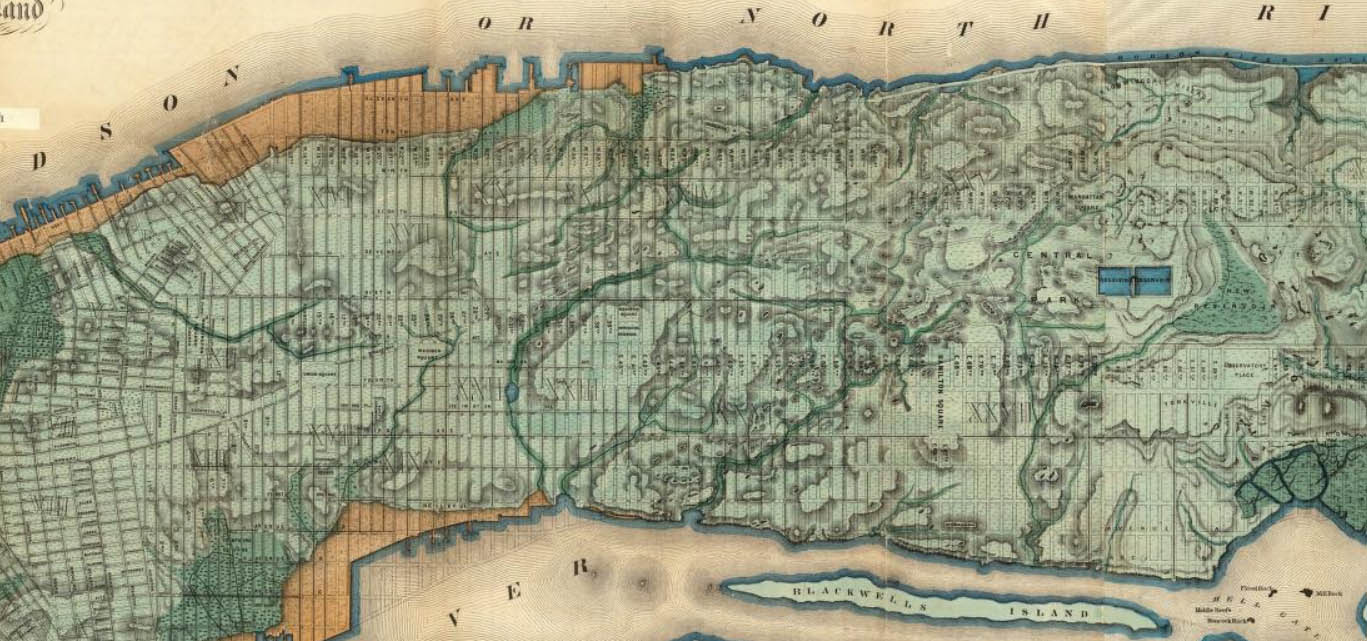
The modern era of mining in New York State began in the southeast, where the first European settlers established a burgeoning industry. Success quickly spread north along the Hudson River Valley and west through the Mohawk Valley. Mineral resources varied across the state, with the Hudson Highlands and the Adirondacks emerging as key mining hubs. In contrast, the Catskill Mountains and southern areas saw far less industrial development.
Initially, European settlers focused on iron. They began organized mining of “bog iron” deposits, where limonite had collected in pocket-like formations. Limonite was also discovered in the bedrock of the Hudson Highlands, sparking active ore extraction in the area. However, it soon became clear that these limonite deposits were small and low-grade. Fortunately, the Hudson Highlands also held vast quantities of magnetite, another iron ore that proved to be a much richer source.
From that point on, magnetite became the primary iron ore in New York State. The metal was smelted in local furnaces. In the early to mid-19th century, blast furnaces became more common, processing ore from Jayville and the Adirondacks. The resulting iron was used to manufacture tools, construction materials, weapons, and cookware.
Beyond iron, European settlers were also drawn to lead and copper. Mining for galena (lead ore) and chalcopyrite (copper ore) began in several counties throughout the Hudson River Valley. The galena deposits also contained trace amounts of silver. This discovery prompted targeted efforts to mine silver, but these attempts ultimately proved unsuccessful.
The Golden Age of Mining in New York State
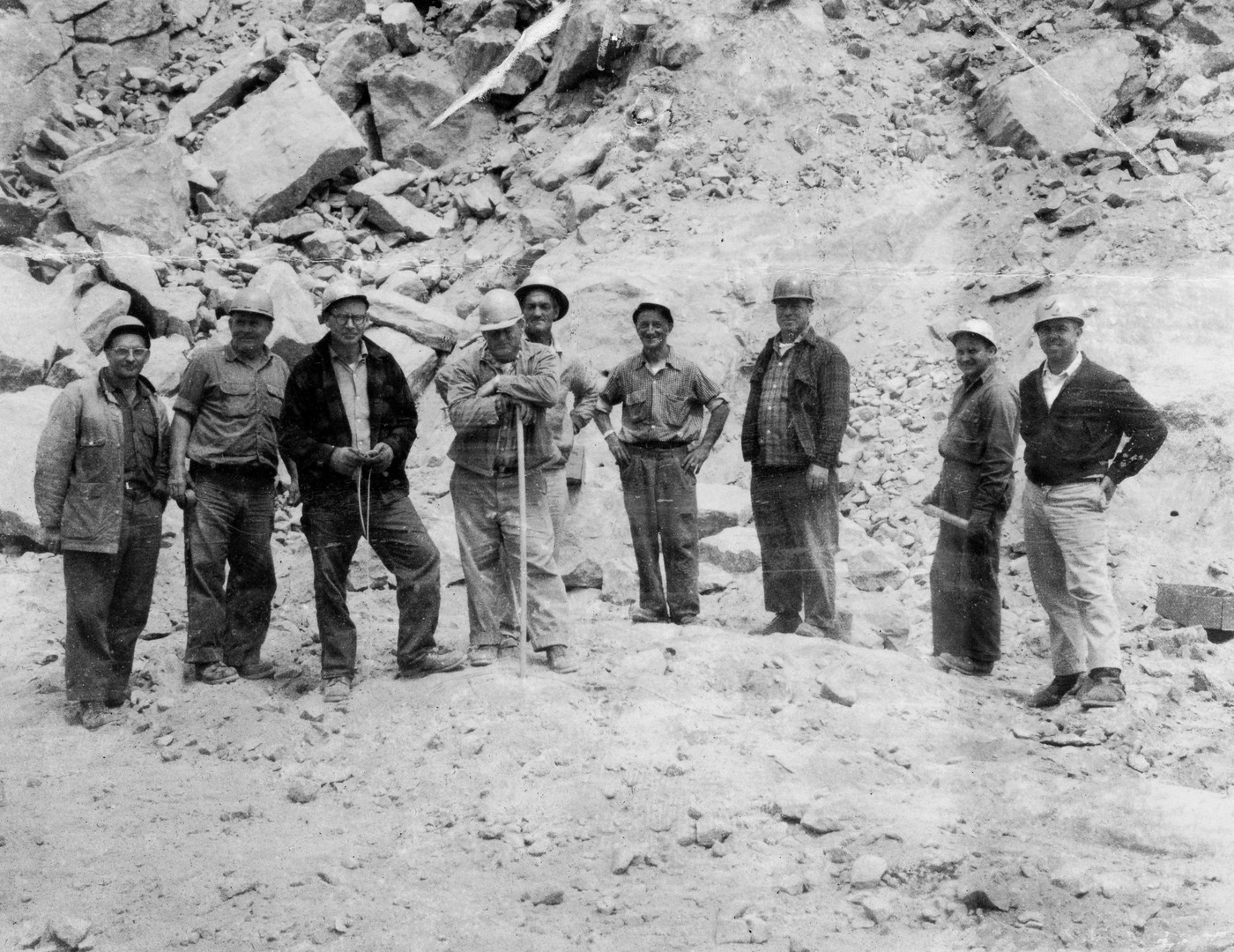
Mining in New York State reached its peak in the 19th century. During this period, the center of iron mining shifted from the Hudson River Valley to the Adirondack Mountains. Older sites continued to extract ore from limonite and siderite deposits, but their output was no longer sufficient to meet growing demand.
During the Civil War, iron from the Adirondack Mountains made up a staggering 25% of the nation’s total output, proving crucial to the war effort. Its importance didn’t wane after the war; between 1880 and 1918, the region produced 23 million tons of iron ore, valued at the time at $73 million. The industry also diversified, with new mines opening to extract other minerals, including:
- Galena, for lead extraction,
- Pyrite, as a source of sulfur,
- Graphite, used for pencils, crucibles, and electrical components,
- Garnet, for manufacturing abrasives,
- Talc, essential for making soap and paint.
The opening of new mines became commonplace in the Adirondack Mountains. For instance, the Barton garnet mine was established, becoming a major supplier of industrial garnet. The creation of new jobs spurred the region’s development and attracted a large influx of people.
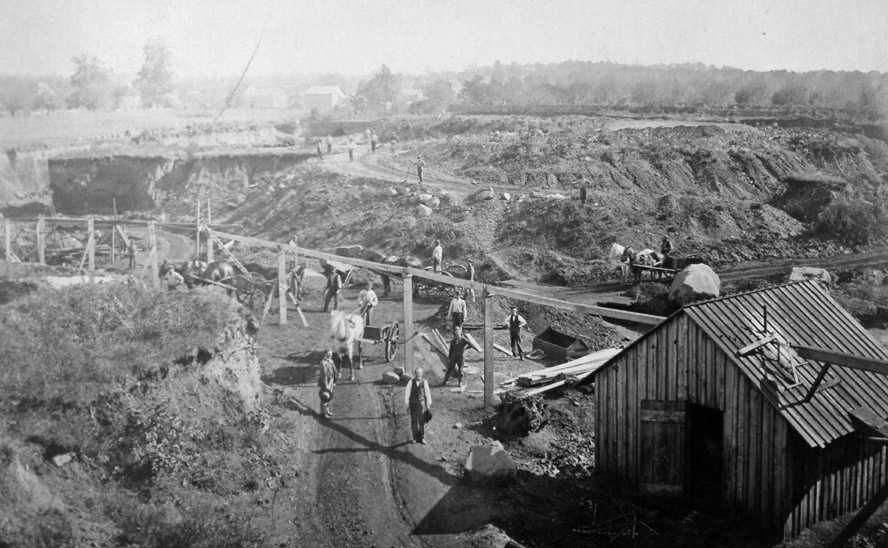
Salt production also underwent significant changes during this period. Until the late 19th century, it was mainly focused on wells that provided brine for evaporation. At the turn of the century, large underground deposits of rock salt were discovered. This led to the construction of the first salt mines, which increased extraction efficiency and significantly boosted production volumes.
Mining in the 20th and 21st Centuries
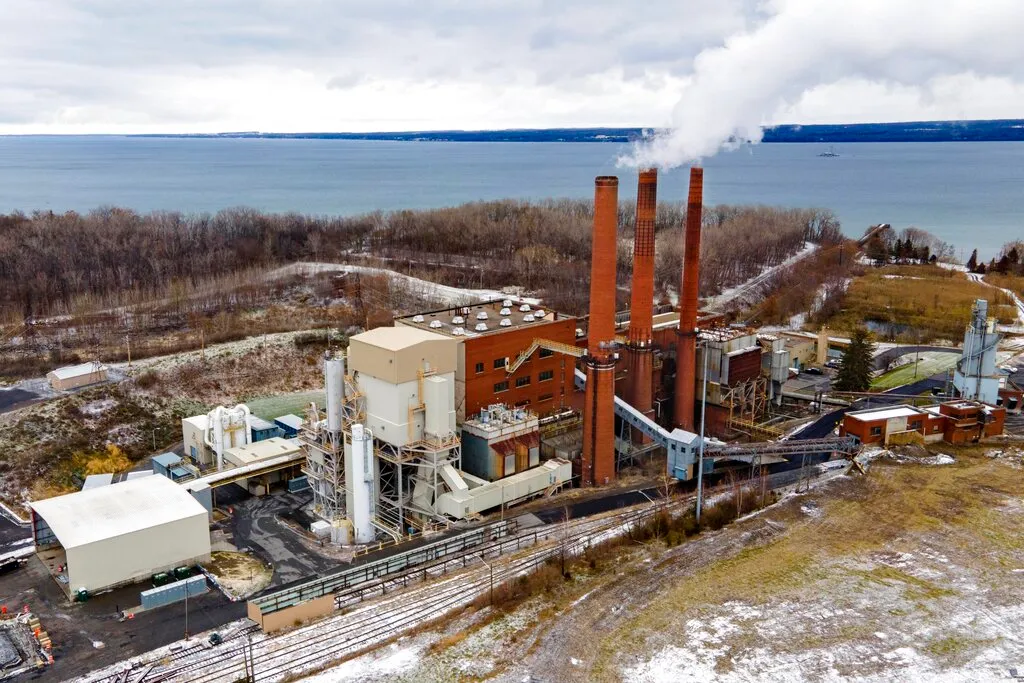
In the years between World War I and World War II, mining in New York State began to decline. One of the major iron mines, for example, was converted to an ilmenite mine to produce titanium dioxide, a key component in paint pigment and chemical smoke screens. Graphite mining in the region ceased altogether.
The revival and expansion of mines in the Adirondacks began during World War II, as the demand for iron ore skyrocketed once again. From 1938 to 1945, the Mineville mines alone produced over 8 million tons of ore. The urgent need for a steady supply for military purposes led to the reopening of nearly all major mines in the region. They continued to operate after the war but were all closed by 1982.
At the start of the new millennium, titanium and iron mining came to an end in New York State. The state’s last gypsum mine operated until 1999. The mines for sphalerite, the primary zinc ore, ran throughout the 20th century but were ultimately closed in 2008.
Since then, both industrial and societal needs for minerals have evolved, along with attitudes toward mining itself. Today, the industry is governed by the Mined Land Reclamation Law, enacted in 1975. This legislation outlines principles for responsible environmental practices, seeking to strike a balance between resource extraction and the economic needs of the state and nation.
Today’s mining industry continues to evolve, with a primary focus on construction materials. The extraction of sand, gravel, and crushed stone remains active, fueling infrastructure development. Companies in the sector are increasingly committed to environmentally responsible practices, aiming to operate in a way that allows surrounding communities to thrive without compromising public health.