

NYC is an extremely noisy metropolis that produces a lot of waste every day in the 21st century. Every day, New York dumps around 12,000 tons of trash, from food to building materials. So, how is all this waste disposed of? New York City waste management in the 21st century is a complex set of procedures and rules that work together to ensure that the city is not too full of garbage. More at new-york.name.
Waste management in a metropolis
It’s possible to think of garbage and waste as a problem that has been around as far back as New Amsterdam. The 17th century saw the introduction of garbage bins, which created numerous issues for nearby inhabitants and made it difficult to maintain cleanliness. The advancements in urban waste management and recycling have proven to be an effective driving force.
The NYC Department of Sanitation has been responsible for the collection and disposal of all municipal and residential waste for a considerable period of time. In addition to the usual waste collection, there are also special events for curbside garbage collection. Nine thousand people work for the department, and six thousand vehicles keep the city clean every day.
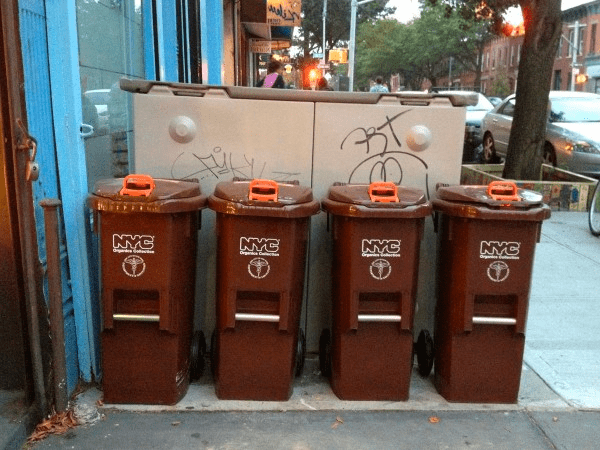
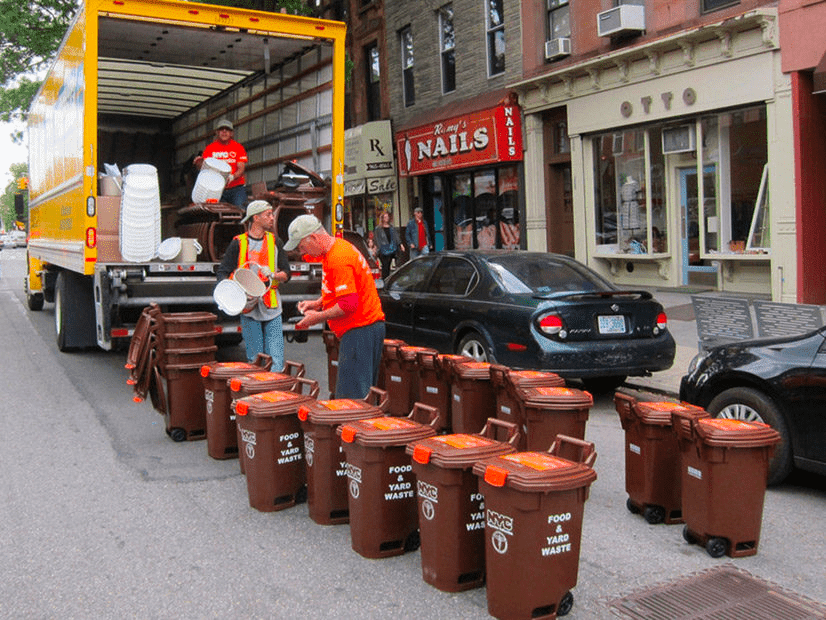
The waste management system created by the sanitation department is highly efficient and covers a considerable area within the urban area. In New York City, household waste is collected according to set schedules in each borough. The department also offers New Yorkers garbage cans and containers for recycling and separate waste handling.
The Department’s job is to keep track of and take away garbage from different places in New York City and give permits to non-governmental organizations. Companies must follow certain rules regarding waste disposal and recycling.
In particular, in the twenty-first century, New York City`s waste and trash management is as follows:
- the Department of Sanitation pickups the waste
- the commercial companies, licensed by the Department, collect the waste
- the Department of Sanitation collect the garbage from city waste baskets
- the Department of Sanitation cleans the streets daily
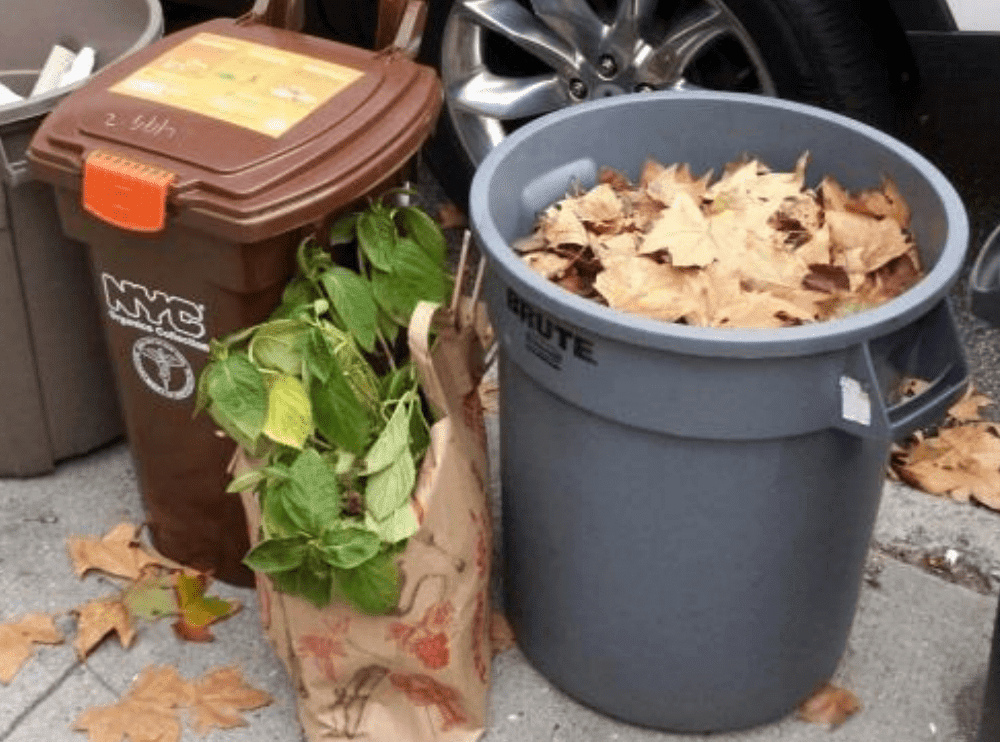
Waste management in New York City
First, the waste is collected. Subsequently, it is taken to a New York City waste transfer station. Facilities sort and transport waste to larger vehicles for disposal at garbage dumps. The Bronx, Brooklyn, Queens, and Staten Island have their own waste transfer facilities.
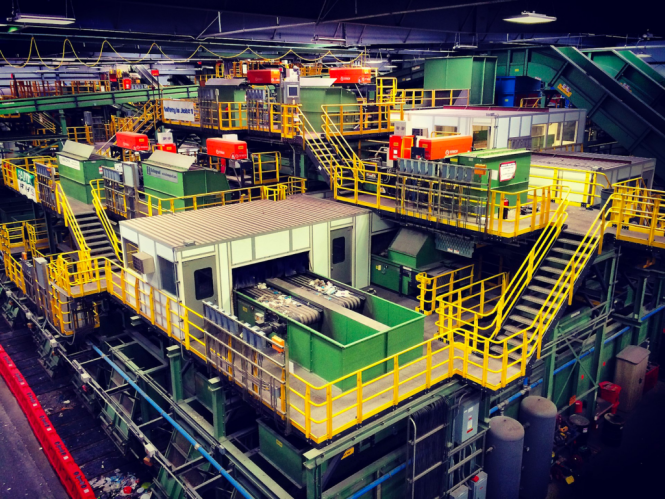
Various waste disposal facilities, including landfills and waste-to-power plants, are used to transport waste from transfer stations. In New York City, many landfills are used for the disposal of non-recyclable waste. Numerous facilities in the urban area utilize combustion to generate power from garbage.
It is a priority to adopt environmentally-friendly practices within the New York City waste management system. Several materials, such as paper, plastic, glass, or metal, can be recycled. Additionally, the city has waste collection points where special events are held to collect materials that are difficult to recycle, such as electronic waste and textiles.
In the 2020s, new initiatives were started in New York City to reduce waste and increase recycling. One of the biggest efforts to minimize the quantity of garbage that ended up in landfills was the Zero Waste Challenge. In particular, by 90% by 2030. The municipality also says that you can’t use disposable plastic bags or foam containers.
Problems of waste disposal in New York City
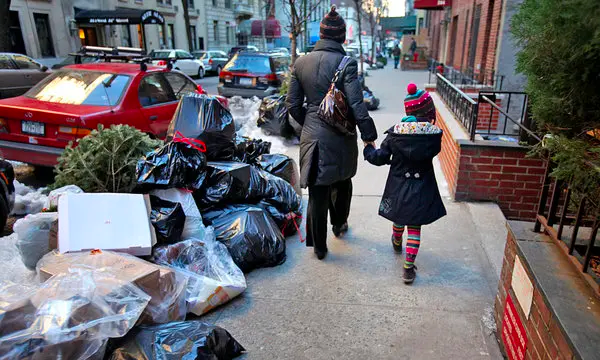
The city’s garbage collection system is highly efficient, but it also faces numerous obstacles. There is a problem with illegal dumping of waste. People and companies are dumping waste in public spaces instead of using proper disposal procedures. In order to solve this problem, the New York City Department of Sanitation is trying to make enforcement harder and give people more information.
The NYC waste management system has become an example for various urban areas worldwide. The urban waste management strategy incorporates efficient collection methods, innovative recycling initiatives and ambitious targets for waste reduction.