

New York has always been a hub of innovation, not just for the U.S. but for the entire world. The city is always in motion, constantly evolving and adapting to changing trends and technologies. Among the many transformations taking place in the 21st century, the development of solar energy has become especially important. The growing popularity of solar power in New York isn’t just another eco-friendly fad; it’s a sign that the city and its residents are committed to progress and green innovation. Do you know about the factors driving the growth of solar energy in New York, its impact on residents and local businesses, and what the future holds for this green revolution? Read more at new-york.name.
The First Solar Installation in New York
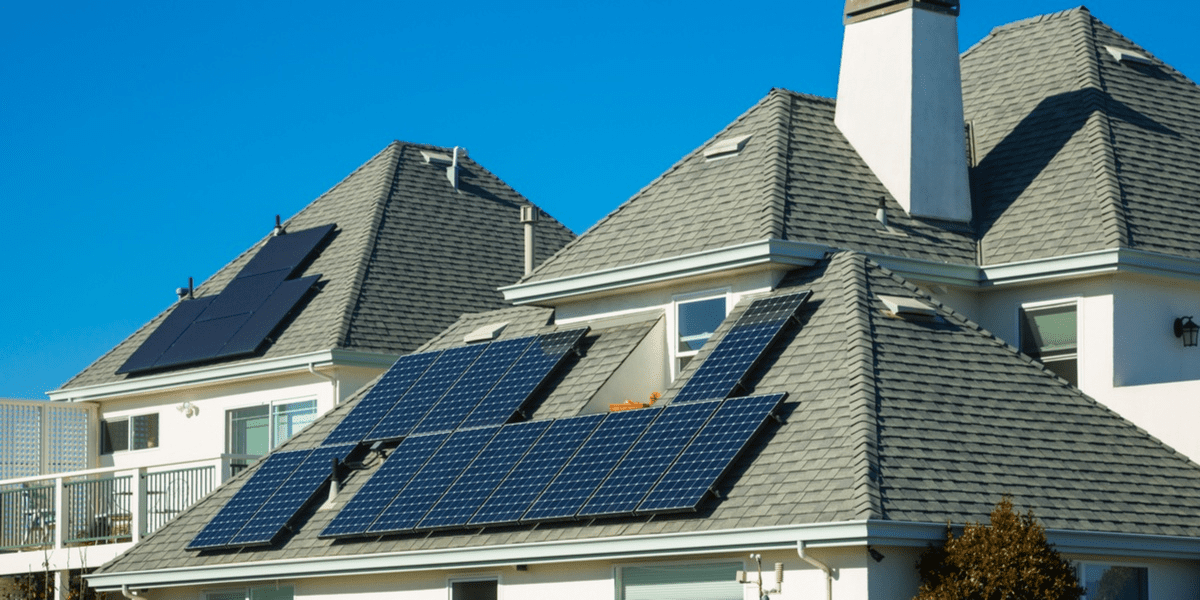
It’s no secret that solar energy has become particularly popular in the 21st century, but many don’t know that New York’s first solar installation appeared way back in the 19th century.
The history of solar panels in New York began with Charles Fritts in 1883, who discovered the photoelectric properties of selenium coated with a thin layer of gold. The New York scientist believed this chemical element could produce a significant amount of energy. Based on his assumptions and calculations, he successfully built and installed the first solar cell in New York.
Unfortunately, as it turned out, the efficiency of the scientist’s solar cell was less than 1%. Moreover, the cost of selenium was too high. Consequently, the project was extremely expensive and ineffective.
The Solar Boom in New York
The 20th century saw numerous attempts to use solar energy. Not all of them were successful, but they heralded a new era of green energy in New York.
The development of solar power in New York was gradual. Ordinary residents began installing solar panels on their rooftops, motivated by the promise of lower utility bills.
Soon, the government of both the city and the entire state of New York began to implement ambitious renewable energy goals. This proactive policy truly sparked the solar boom. The New York Clean Energy Standard, established in 2016, set a goal for 50% of the state’s electricity to be generated from renewable sources by 2030. This step attracted significant investment in solar energy and other renewable sources.
Green Energy’s Popularity in New York: Incentives and Initiatives
The 21st century has brought a true green revolution to New York. New Yorkers have become more environmentally aware, and the government has stimulated the growth of solar energy adoption through a combination of state and city incentives, rebates, and tax credits. All of this was aimed at making solar installations more affordable for homeowners and businesses. State programs like NY-Sun were designed to make green energy accessible to every resident. What’s more, it provided substantial financial incentives for installing solar panels, which significantly reduced the initial costs. The government also developed another program called Solarize NYC, which helped communities band together to purchase solar installations at wholesale prices. This made solar panels accessible to a wider range of New Yorkers.
The government also introduced the Investment Tax Credit, which offered a 30% tax credit for installing solar systems in residential and commercial properties. This made solar energy a financially viable option for many city residents.
Technological Advancements in New York’s Green Energy Sector
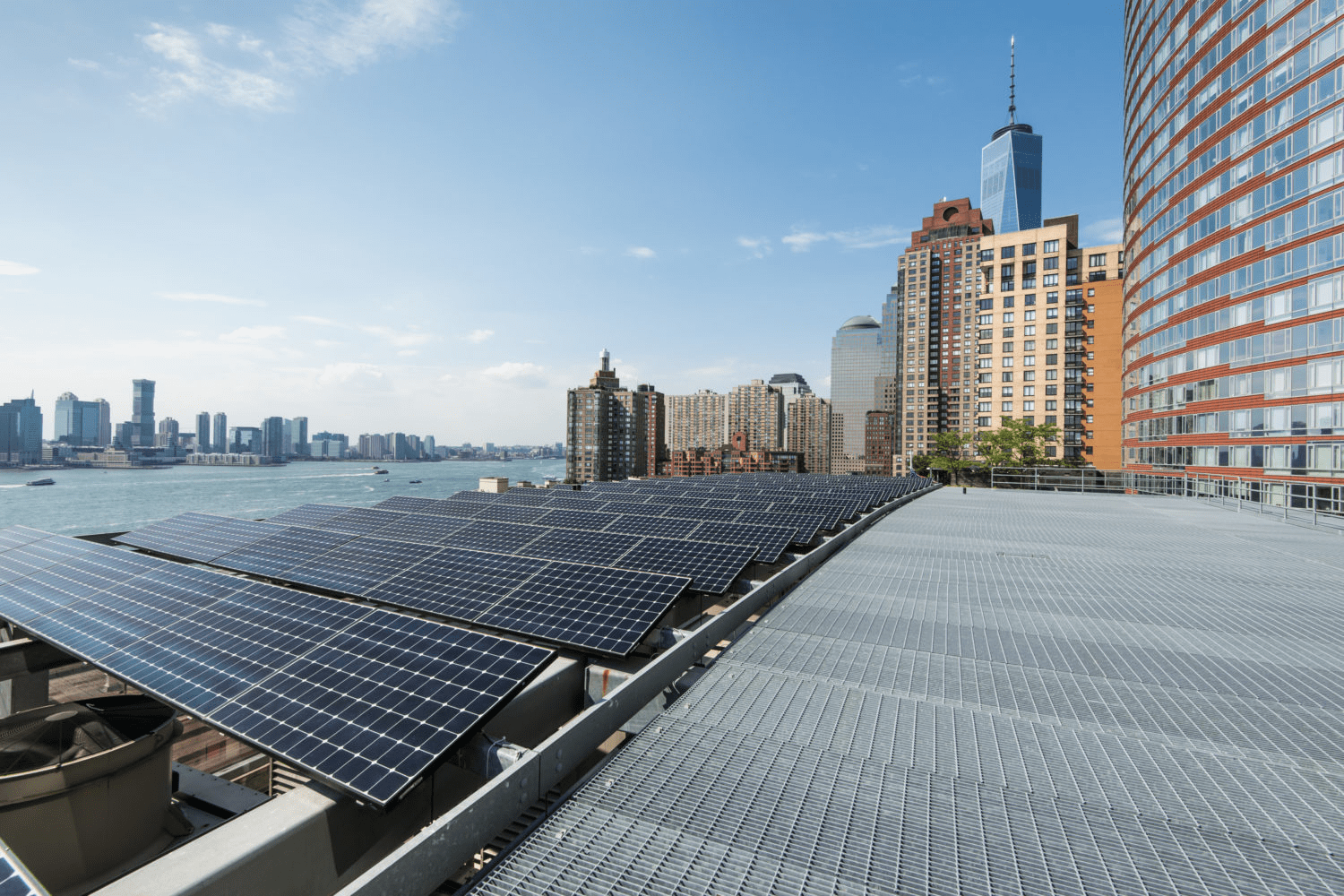
Advancements in solar technology in New York have made solar panels more efficient, durable, and aesthetically pleasing. Updated solar panels can generate more electricity from the same amount of sunlight as their predecessors. In addition, the development of solar batteries in New York has solved one of the main problems with solar energy in the city: its intermittent nature. With batteries, solar energy can be stored for use when the sun isn’t shining, providing a reliable power source around the clock.
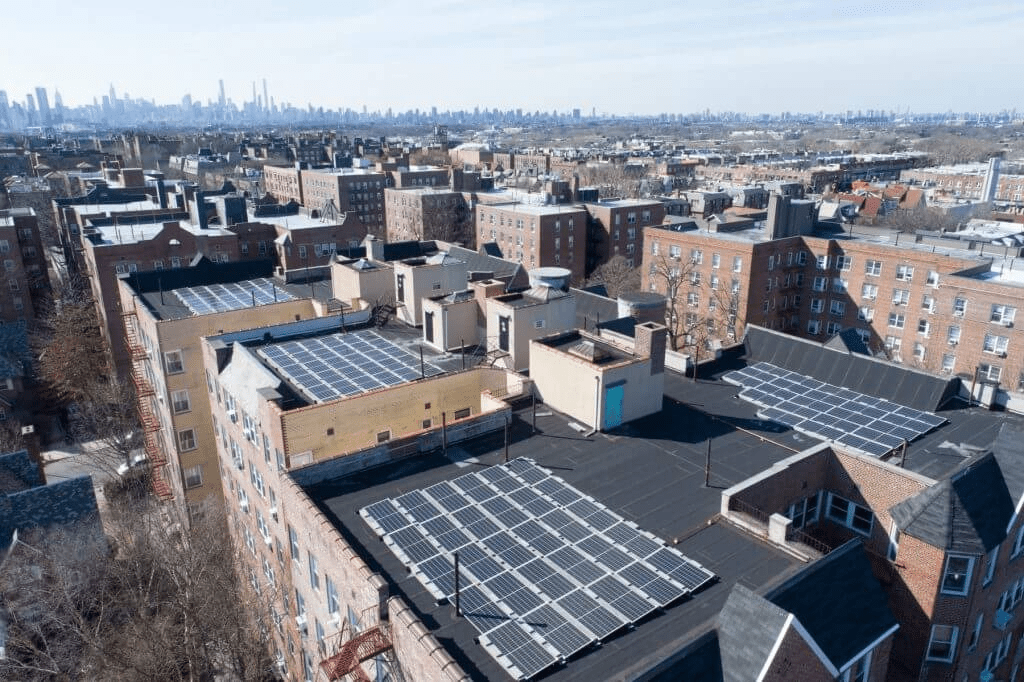
Although green energy and renewable sources like solar panels are highly popular with New Yorkers in the 21st century, the city’s dense environment presents significant challenges for solar energy implementation. High-rise buildings, limited roof space, and shading from neighboring structures make installing solar panels difficult. However, innovative solutions have emerged to overcome these obstacles. This includes community solar projects, where residents can buy or lease a share of an off-site solar installation. This allows those who can’t install panels on their property to benefit from solar energy, such as from a neighbor’s installation.
Green energy has had a huge impact on New York residents. For many New Yorkers in the 21st century, solar panels can reduce electricity bills and increase the value of their property when they rent or sell it.
Businesses have also started using solar energy, not just for financial savings but also to create a positive public image. Companies are increasingly aware of the importance of sustainability to consumers, and investing in solar energy shows a commitment to environmental protection.
In the 21st century, large corporations, small businesses, and even non-profit organizations in New York are actively adopting solar energy to meet their energy needs, reduce operating costs, and improve their sustainability metrics.
While solar energy isn’t yet the leading renewable energy sector in the state, it’s in a phase of active development. For example, in 2022, solar energy accounted for 4% of New York’s total electricity production.
In addition, solar energy has tremendous benefits for New York’s sustainable future. Installing solar panels reduces dependence on fossil fuels. Solar energy also helps reduce greenhouse gas emissions, improve air quality, and mitigate the effects of climate change. With its ambitious clean energy goals, New York is setting an example in the fight against global warming. In the 21st century, the transition to solar energy is a crucial component of the city’s broader strategy to create a more sustainable and environmentally friendly urban environment.
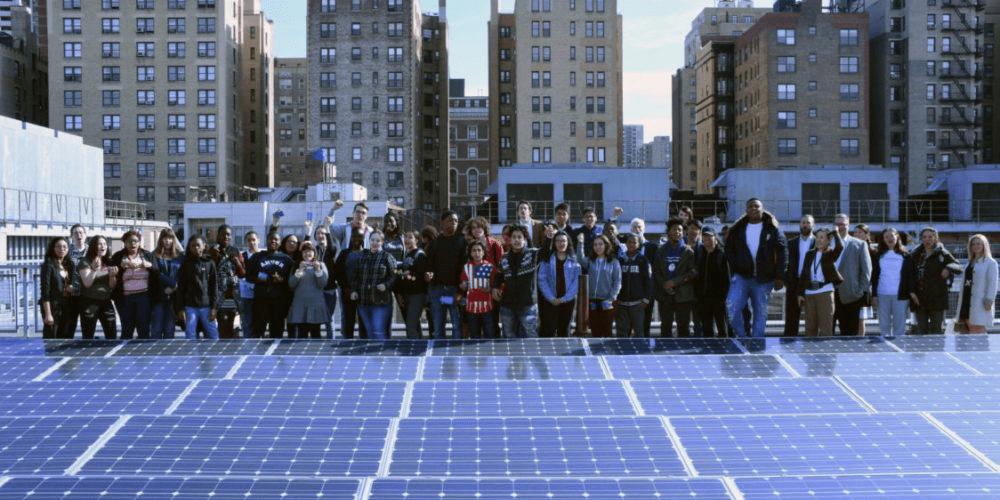
Many initiatives aimed at expanding the use of solar energy have already been implemented in New York. For example, the state government-funded “NY-Sun” program aims to make solar energy more accessible to residents and businesses. City institutions, schools, and residential complexes are actively installing solar panels on their rooftops, which helps reduce energy costs and increase energy efficiency.
Thanks to New York’s continuous development, the initiatives of state and city authorities, technological advancements, and the determination of residents and businesses, the city proves that solar energy can thrive even in the most challenging conditions of a metropolis.