

In the twenty-first century, New York City has become known as the concrete jungle. It is renowned for its towering skyscrapers, bustling streets and dazzling lights. However, beneath such a supposedly anti-ecological exterior, there is a real green revolution going on. As New York is one of the major cities in the world, the city government has set the most ambitious goals for combating climate change and transitioning to renewable energy sources. Learn more about New York’s progress toward being a green city and the obstacles it has faced at new-york.name.
New York as it is
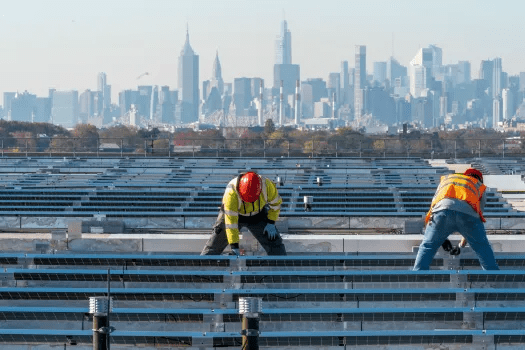
New York is the fourth most populous state in the United States, with the third largest economy. The city of New York is the world’s financial, innovation and cultural center. But is it a green center that promotes renewable energy?
It should be mentioned that New York is very diverse. It astounds not only with its concrete jungle but also with its diverse nature. The majority of the state is made up of steep rural areas and rocky mountains. In addition, New York is one of the largest states, with half of its territory covered by water. It is partially home to major lakes like Erie and Ontario. The Niagara River also runs across the state, creating powerful waterfalls and streams of water. Thanks to its vast water resources, New York City is a national leader in hydroelectric power generation.
Additionally, it is worth noting that the Great Lakes and Atlantic Ocean coastlines have long supplied the best wind conditions for renewable energy across the state.
In New York, solar and biomass energy are two of the less popular renewable energy sources. There are only a few small installations in the state, which provide the populace with exclusively additional renewable resources.
Even though the state has several promising sources of renewable energy, New York continues to rely on energy supplies from other countries. The state’s renewable energy resources are insufficient to meet the needs of the population and enterprises.
The evolution of renewable energy in New York
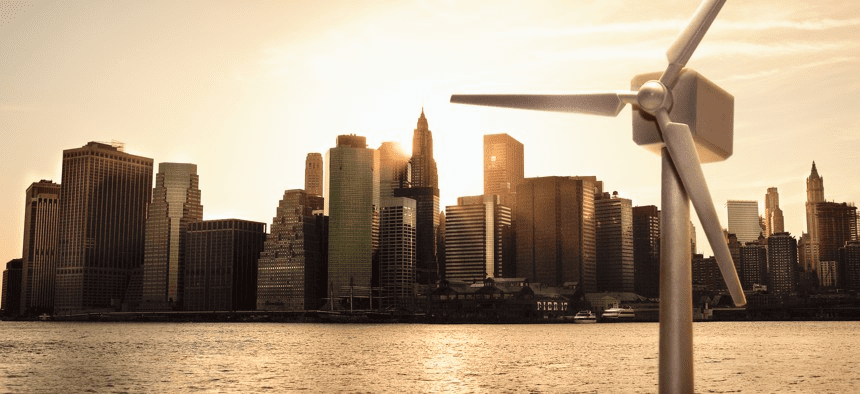
It wasn’t until the start of the twenty-first century that New York started seriously promoting renewable energy. The city authorities recognized the critical need to improve the city’s environmental and economic conditions while also reducing greenhouse gas emissions. As a result, several major clean energy initiatives were launched. However, we should not forget that our ancestors used renewable energy sources as well.
Particularly, in the territory of New York in the 18th and 20th centuries, the following sources of renewable energy were popular:
- Water mills. They were used for grain grinding, wood sawing and other industrial applications.
- Windmills. They were mostly utilized to pump water and grind grain, especially in agricultural areas of the state.
- Hydroelectric dams. They produced electricity and supplied water to the residents for irrigation and other purposes.
- Solar water heaters. In ancient New York, solar energy was mostly employed to heat water.
- Geothermal energy. It was employed in some areas for heating and early electricity generation.
- Tidal mills. Tidal movements were employed to power milling operations.
In the twenty-first century, the state’s renewable energy sources have considerably expanded and evolved. Mostly, New York employs the following sources:
- Solar panels
- Wind power
- Hydropower
- Geothermal energy
- Biomass
- Wave and tidal energy
- Biogas.
Important steps towards a green future
Realizing the scale of the problem and the environmental catastrophe, New York officials gradually but steadily began to implement new methods of state-wide sustainable development. For instance, in 1975, the Office of Energy Research and Development was formed in New York, and the state has since been regarded as a leader in the field of renewable energy.
Other significant steps that New York has taken on the path to a sustainable future include:
- in 2008, the Energy Efficiency Portfolio was proposed, which aimed to create programs and incentives to reduce the state’s electricity consumption.
- also in 2008, New York City joined the Regional Greenhouse Gas Initiative.
- in 2014, New York Green Bank was established as a specialized division within the Office of Energy Research and Development, which aimed to increase private investment in renewable energy.
- also in 2014, the ambitious Reforming the Energy Vision program was launched.
- in 2015, the state developed an energy plan.
- also in 2015, the Clean Energy Standard was adopted.
- and much more.
At the beginning of the twenty-first century, all government-sponsored projects and initiatives served as an impetus for the development and construction of new renewable energy sources, as well as the preservation and modernization of existing ones.
Renewable energy in New York in the 21st century
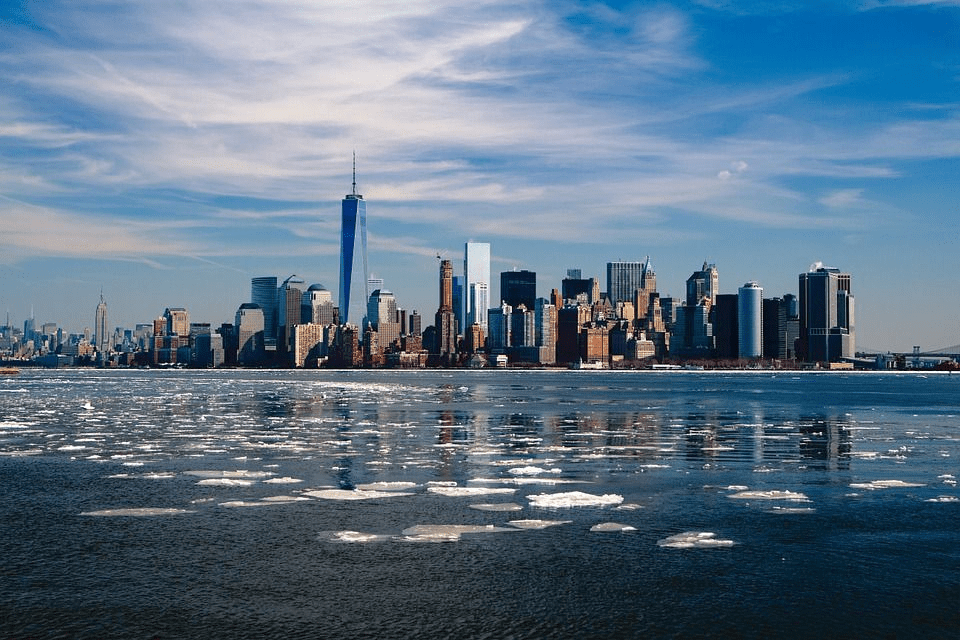
As you may have already understood, the state has a diverse range of renewable energy sources. It should be emphasized that thanks to quick action and the implementation of a number of ambitious environmental projects, New York generates more renewable energy than any other state east of the Mississippi River.
As a result, in 2022, New York ranked seventh in the country in terms of generating electricity from renewable sources, all sources combined. Most of the renewable energy generated by the state was produced by hydroelectric power plants. Over the years, New York City has consistently been a leader in the field of hydroelectric power across the country. In 2022, the state ranked third after Washington and Oregon. At the same time, the Robert Moses Niagara Hydroelectric Power Station in Lewiston, near Niagara Falls, with a capacity of 2,500 megawatts, generated the majority of New York’s hydroelectric power. This hydroelectric power plant is the third most powerful and fourth largest in the United States.
Solar power accounted for a slightly smaller share of New York’s renewable energy. It is worth noting that in the twenty-first century, solar panels in the city are mostly installed on residential roofs. Furthermore, there are special programs that support such an initiative. As a result, in 2022, the state ranked third in the United States for the production of electricity using small solar energy.
It should also be noted that the city has over 400 solar installations that belong to public utilities. The majority of them have a maximum capacity of 20 megawatts.
Of course, there are industrial-scale SPPs, but there are only ten of them in the state.
Finally, the third source of renewable energy in New York City is wind power. It should be mentioned that by 2023, New York City generated more than 2,500 megawatts of wind power from 32 municipal wind farms. The additional offshore wind power potential of New York City is concentrated in the eastern Great Lakes region, along the Long Island coastline and in the Adirondack and Catskill mountain ranges. However, the state’s highest peaks are located in state parks, where renewable energy production is unfortunately limited.
Can New York be classified as a green city?
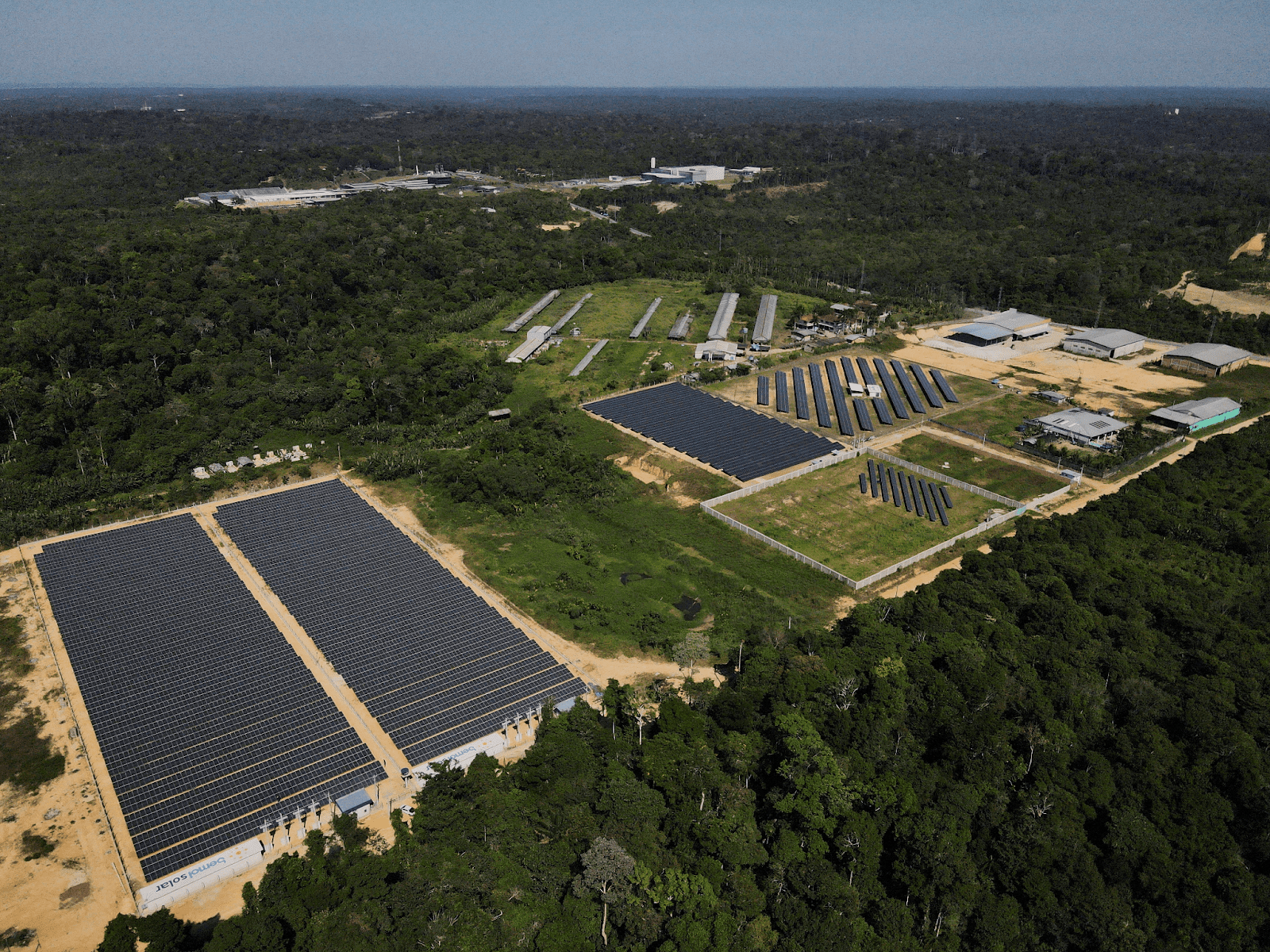
Of course, the New York authorities have done an excellent job on the path to a sustainable future and the use of green energy. As a result, in the twenty-first century, the entire state is recognized as a leader in the field of sustainable energy. New York has achieved such success as a result of numerous implemented projects and initiatives in the field of sustainable development. Furthermore, due to the ongoing expansion and modernization of renewable energy and energy efficiency, New York State now has an array of energy sources. These include solar panels, wind turbines, hydroelectric power plants and other facilities designed for a variety of technologies and available to commercial, domestic and utility consumers and manufacturers.