

New York is a city of discovery and innovation. Over decades, many scientists have explored various fields here, and a lot of their research has been truly revolutionary. Among these, the work of Annette Aiello, an American zoologist, botanical entomologist, and professor, holds a significant place. Back in the 20th century, she made an important contribution to our understanding of butterfly behavior. Her research not only shed light on the complex lives of these delicate creatures but also served as a source for further studies in the field. Thanks to her, people all over the world have come to appreciate the beauty and complexity of the natural world. Read more at new-york.name.
What We Know About Annette Aiello
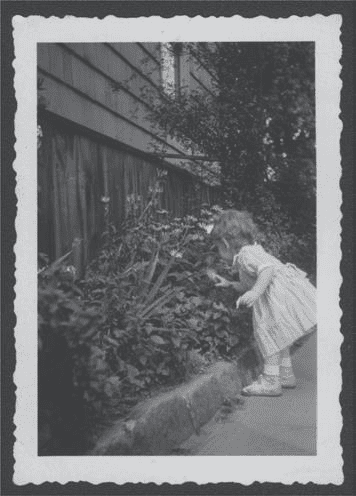
Annette Aiello is a New York native, born there in 1941. Initially, her path was completely different and not related to botany. Aiello was passionate about commercial photography and earned a living through it. Since she often photographed nature, she eventually became interested in botany through the lens of her camera. As a result, Aiello decided to dedicate her life to botany.
In 1972, she graduated from Brooklyn College with honors, earning a Bachelor of Science in biology. Three years later, she graduated from Harvard University with a Master of Science in biology. In 1978, Aiello earned her doctorate in biology.
After receiving her Ph.D., she traveled to Barro Colorado Island. There, she worked at a field station that was part of the Smithsonian Institution, and it was there that her remarkable career and research into the ethology of butterfly behavior began.
Annette Aiello’s Groundbreaking Research
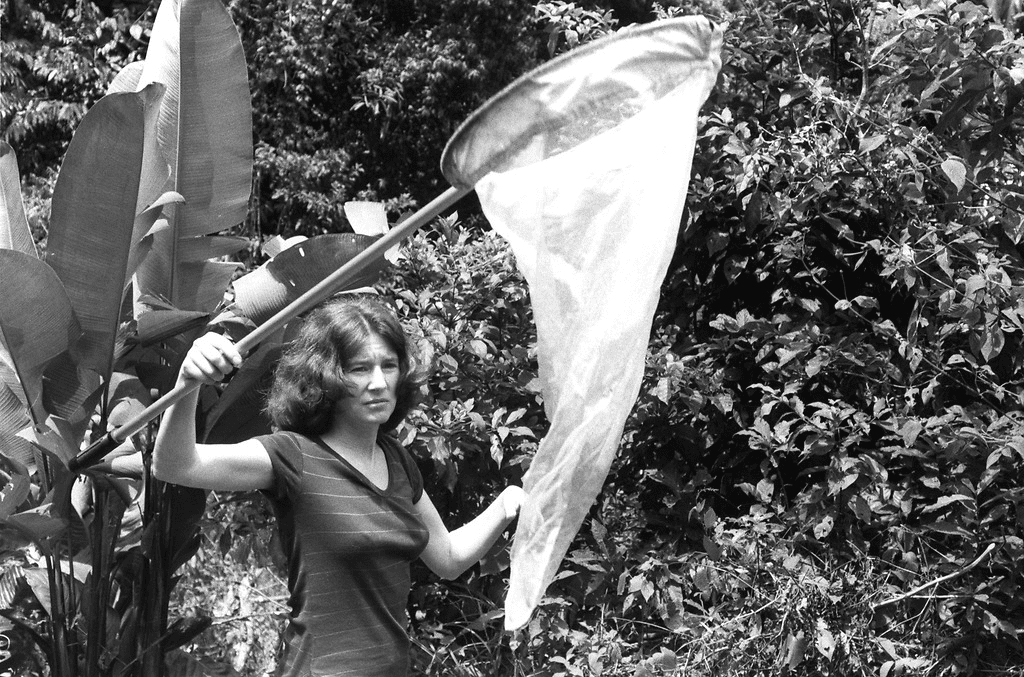
Annette Aiello’s research primarily focused on the behavior, life cycles, and ecology of butterflies. One of her significant contributions to this field is her work on the evolutionary adaptation of butterfly larvae. Aiello discovered that many butterfly species have developed complex behaviors and physical adaptations that help them survive in their environment. For example, some larvae mimic the appearance of bird droppings or toxic plants to deter predators. This phenomenon is also known as Batesian mimicry.
Her regular observations and innovative experiments provided valuable insight into how butterflies interact with their environment and evade threats. Aiello’s work showed that their adaptations are not random but are the result of millions of years of evolution, driven by the need to survive and reproduce in a world full of predators.
The Focus of Butterfly Behavior Research
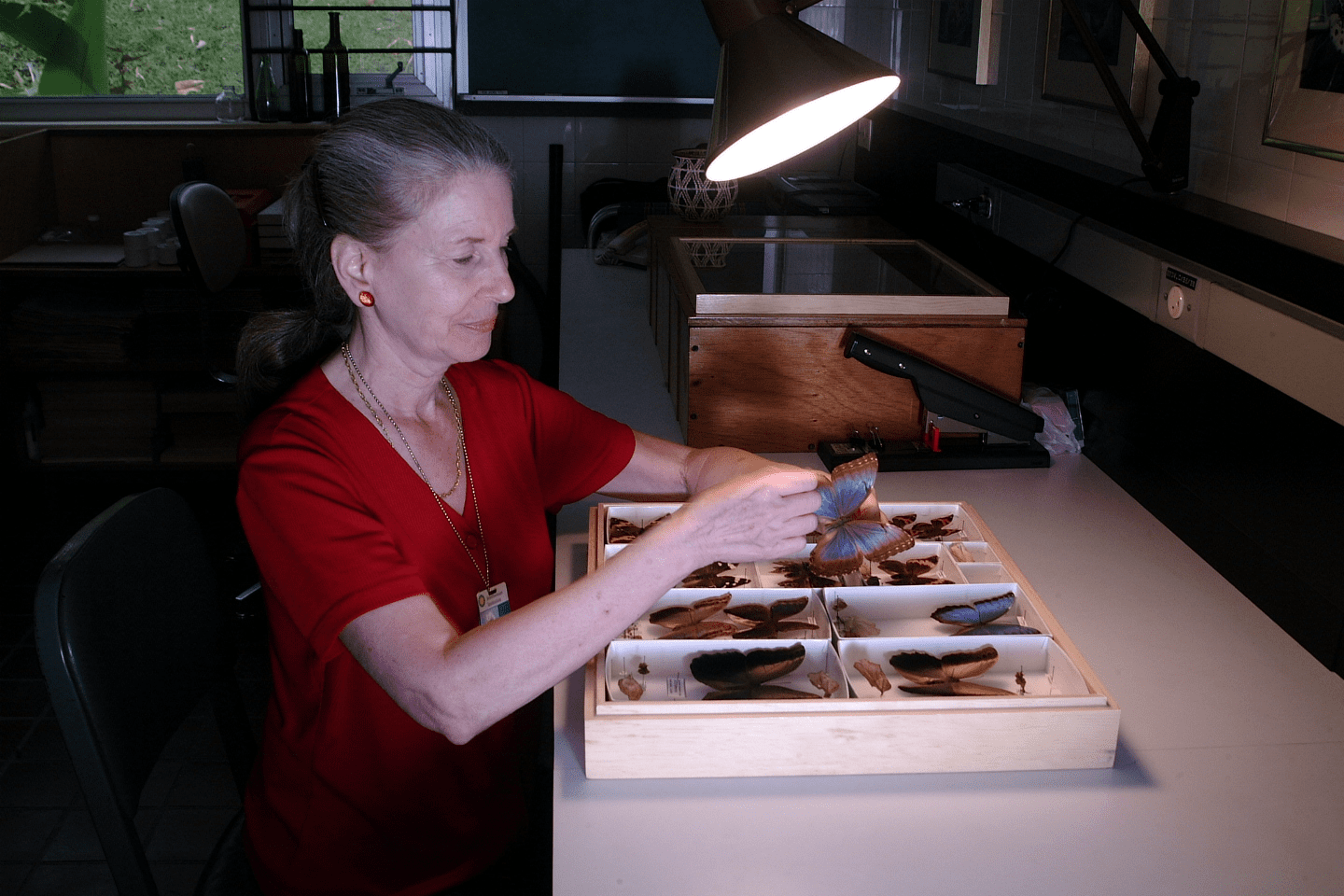
Aiello worked on researching the evolutionary history of insect life for over 40 years. She focused her attention on the transformations of butterflies and various insects. She paid special attention to studying the development, behavior, and defense of caterpillars.
Throughout her career, Aiello studied not only the lives of butterflies and caterpillars but also other insects, including beetles and leafhoppers. She also studied insect outbreaks, their mimicry, and even sloth hair. In addition to insects, plants played an important role in Aiello’s research. They reflected her early interest in botany, which she had pursued independently before entering college.
Among Aiello’s fascinating works was her research on tropical insects. Her key discoveries include:
- Like any other insects, tropical insects try to stay alive as long as possible to reproduce. To survive, they use a variety of interesting and complex strategies to avoid danger, including predators, and to find food and partners. In the tropics, where there are far more plant species and dangers than in colder regions, the survival strategies they use and their interspecies interactions are quite complex.
- Tropical insects, like any others, do all the usual things. They eat, sleep, reproduce, and avoid predators. Yet, there is no end to the cleverness of their behaviors and defenses. For example, there are tropical caterpillars that make extra holes in their leaves to escape. Other insects store their feces in curled leaves, creating a barrier for predatory wasps and ants. There are also insects that live together in silk bags that also contain pupae. And there are those that live together in the open air and follow each other along silk trails they create themselves, from one feeding place to another, as well as to molting sites on a tree trunk.
Another interesting fact from Aiello’s insect research was that the immature stages—caterpillars and pupae—are completely different from the adults and therefore develop independently.
Conservation and the Legacy of Annette Aiello
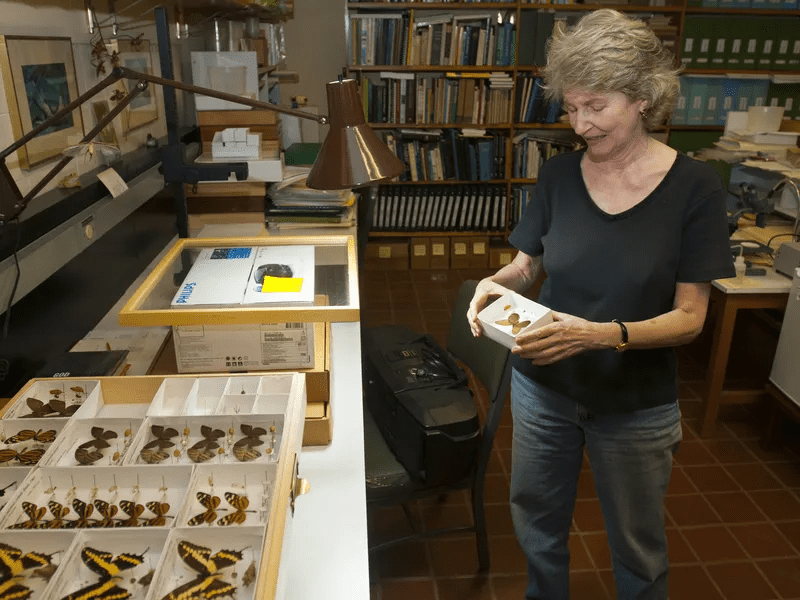
In addition to her scientific achievements, Annette Aiello was a strong advocate for the conservation of butterflies and other insects throughout her career. She focused the scientific community’s attention on raising awareness about the threats facing butterfly populations worldwide. They are constantly threatened not only by habitat loss but also by climate change and environmental pollution. Throughout her career, Aiello worked tirelessly on her research and collaborated with various environmental organizations to promote projects for the preservation and protection of these delicate creatures.
One of her most important steps toward nature conservation was the initiative to create butterfly sanctuaries in tropical regions. Thanks to Aiello, these sanctuaries provide a haven for butterflies and other insects, allowing them to thrive without human pressure. Aiello’s work also highlighted the importance of preserving native plants, which are crucial for the survival of many butterfly species.
Aiello’s work took her to some of the most remote and beautiful places on Earth, from tropical rainforests to arid deserts. But despite the difficulties of fieldwork, Aiello was always driven by a tremendous love and passion for discovery and a desire to protect the creatures she cared about.
Annette Aiello was active throughout her career. Even in the 21st century, she actively continued her work by conducting seminars and training sessions at universities in New York and other cities. She published numerous scientific articles on insect research and always remained optimistic about the future of entomology and conservation. She believes that through continuous research and public awareness, biological scientists will be able to develop effective strategies to protect butterfly populations and preserve the planet’s biodiversity.
In the 2000s, Aiello was especially impressed by the potential of new technologies in entomology. Advances in genetic research, remote sensing, and data analysis opened up new possibilities for studying the behavior and ecology of butterflies. These tools have been a huge help to scientists like Aiello. Thanks to them, biological scientists have gained a deeper understanding of butterfly life and developed more modern methods for their conservation. Aiello wrote about all of this in her scientific articles and books.