

Weather and climate have always played a key role in agriculture. Ideal weather conditions have been a decisive factor for a successful harvest. However, centuries of human impact have significantly altered the climate. As a result, farmers and agricultural workers worldwide in the 21st century are facing a new set of challenges. As you know, New York is more than just a concrete jungle. The state has a thriving agricultural sector. And the effects of climate change, particularly noticeable in the 21st century, haven’t spared New York. Each year, the consequences of climate change are becoming more obvious and pressing for farmers. Read more at new-york.name.
Historical Perspective: New York’s Favorable Climate for Agriculture
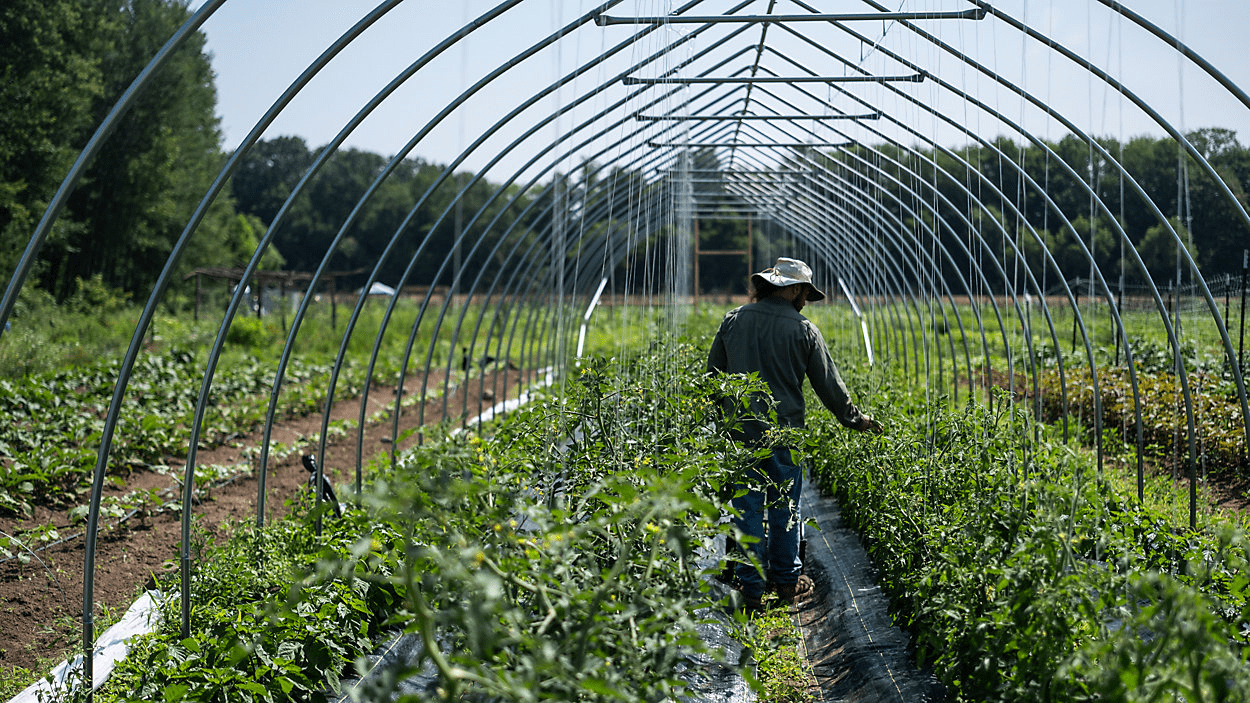
Ever since the colonial era, New York (then New Amsterdam) had a favorable climate for agriculture. At one time, everything from apple orchards to dairy farms and vineyards was grown here. The state’s main advantage was its diverse weather conditions, which allowed for the cultivation of a wide range of crops and livestock. However, due to industrial activities and other human impacts on the environment, the climate began to change. And New York farmers were forced to adapt their farming practices to the rapidly changing weather conditions.
How Rising Temperatures Have Affected New York’s Agriculture
One of the most noticeable consequences of climate change in New York is the rise in average temperature. In the 20th century alone, the state warmed by almost 2°F. This increase has a significant impact on growing seasons. Plants are flowering earlier, and harvest times are shifting.
On the one hand, a longer growing season might seem beneficial for both plants and farmers, but it also creates new problems. For example, early blooming can lead to unexpected late frosts, which harm crops. Additionally, warmer winters may not provide sufficiently cool conditions for certain fruit trees, affecting their future yields.
Since the 21st century, unpredictable weather has become a pressing problem for New York farmers. In 2023 alone, it caused colossal losses and crop damage and led to an increase in weeds, diseases, and pests.
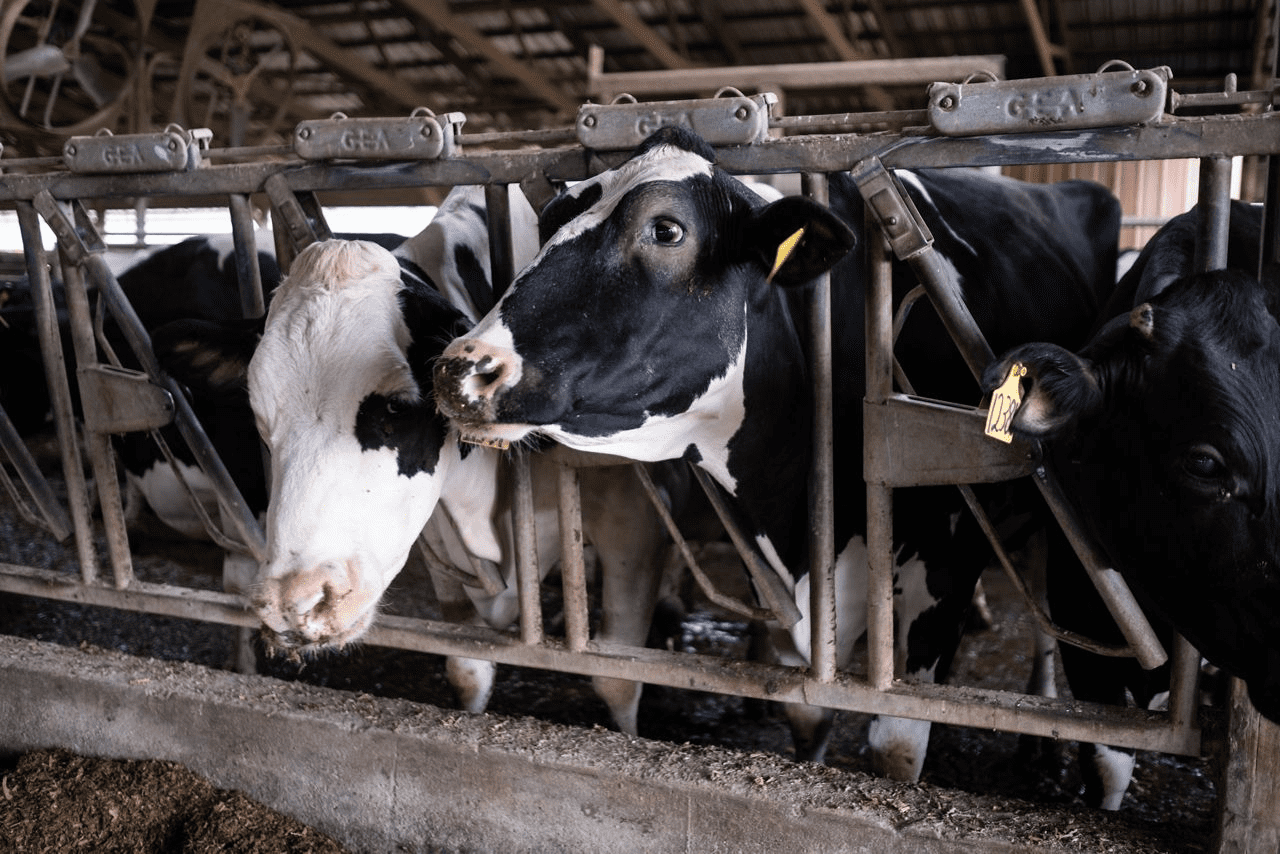
In addition, due to the rise in average annual temperature, the state is experiencing less rainfall, more frequent droughts, and heat stress. This stress can be devastating not only for plants but also for New York’s dairy industry, as cows produce less milk in such conditions.
For instance, in 2023, a particularly warm winter caused buds to open very early on trees. This was followed by late spring frosts that severely damaged the already blossoming fruit. Due to these weather changes, some farmers lost their entire harvest.
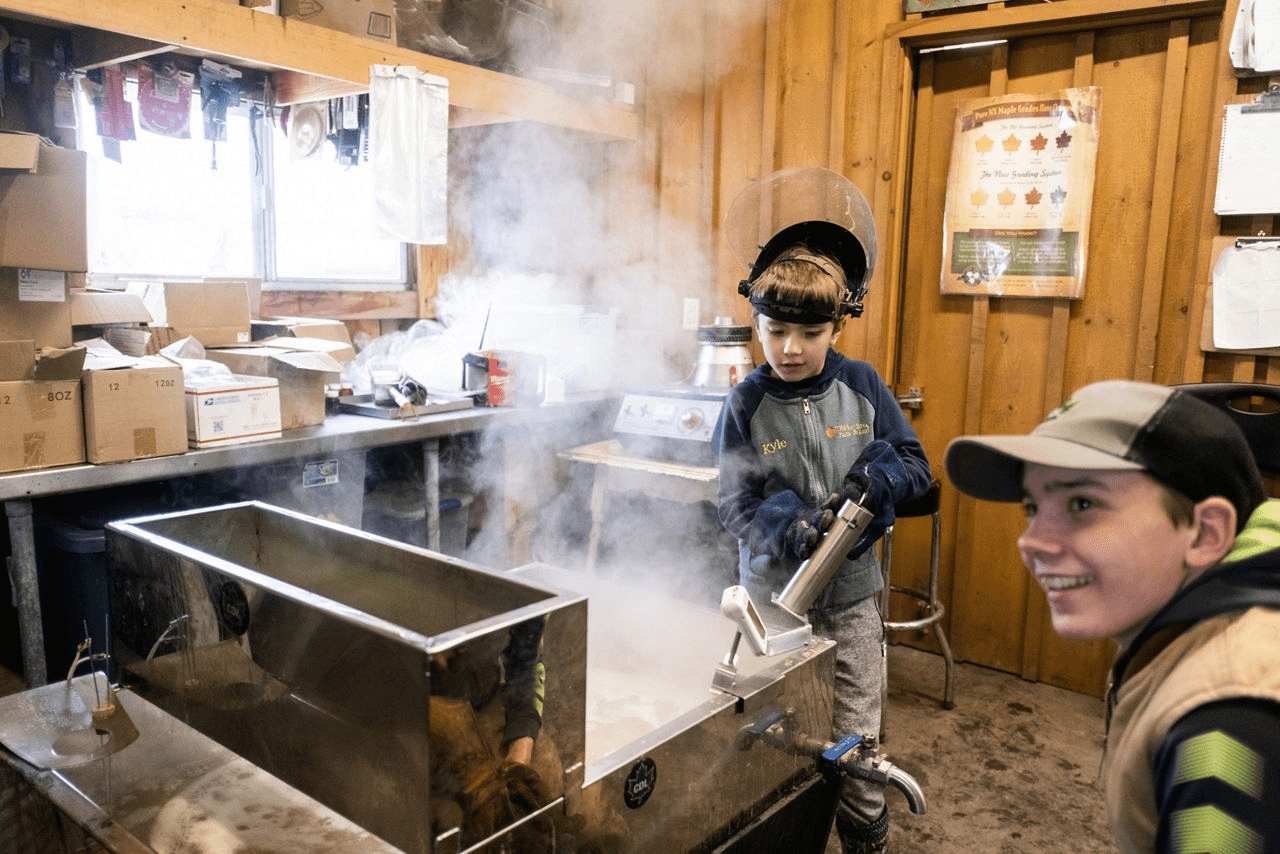
Besides the dairy industry, maple production has also been significantly affected by climate change in New York. New York is the country’s second-largest maple-producing state. According to the U.S. Department of Agriculture, 845,000 gallons of maple syrup were produced in New York in 2022 alone. But as is well known, maple production is very sensitive to temperature, so it has undergone significant changes. Many experts say that climate change and global warming will lead to a considerable reduction in maple production in New York State in the future. This is because the harvest season is getting shorter, and farmers’ production capacity is decreasing as winters become warmer.
Furthermore, the significant increase in New York’s average annual temperature also affects the sugar content in maple sap. Consequently, this requires longer boiling times and a greater overall amount of sap to produce the same amount of maple syrup. New York maple producers noted in the 2020s that the sugar content in maple sap had decreased by an average of 1.5-2%.
Adapting New York State’s Agriculture to Climate Change
Climate change and various weather disasters pose a serious threat to New York’s agricultural sector. The sector is quite developed and vast, with 4.2 million acres under cultivation and 2.7 million acres dedicated to grazing livestock. What’s more, the agricultural sector provides jobs for over 160,000 people. Therefore, adapting New York State’s agriculture to climate change is of paramount importance in the 2020s.
Many state farmers are actively implementing new technologies and farming methods to adapt to climate change. Precision agriculture, which uses data and technology to optimize crop management at the field level, is becoming increasingly common. This includes using drones to monitor crop health, soil sensors to track moisture levels, and GPS-guided equipment to increase planting efficiency.
In addition, many farmers are gradually switching to more resilient crop varieties and diversifying their farming methods to reduce the risk of crop loss.
Many New York farmers are also increasingly adopting sustainable methods to mitigate their environmental impact. This includes reducing greenhouse gas emissions through improved manure management on dairy farms and implementing renewable energy sources like solar and wind power.