

Known for her determination and integrity, Peggy Shepard became one of the main voices for environmental justice in urban communities. She managed to transform the protest against systemic racism, which had poisoned the lives of poor neighborhoods for years, into a powerful movement. As co-founder and Executive Director of WE ACT, Shepard created a platform that helps communities not only fight environmental threats but also shape new standards for citizen participation in decision-making. Read on new-york.name for more about this renowned New York eco-activist.
From Journalism to the Environmental Front Line
Peggy Shepard began her career in the media as the first African American reporter for the Indianapolis News—courageous, detail-oriented, and thirsty for justice. In 1971, she moved to New York to try her hand at publishing and later became an editor at Black Enterprise magazine. However, after the project closed, her professional path took a sharp turn—Shepard immersed herself in the world of public service.
Working for the State Department of Housing and Community Renewal, she saw firsthand how politics and social inequality affect the lives of ordinary people. In 1984, her experience and resolve led her to Jesse Jackson’s presidential campaign team, where she became Director of Public Relations.
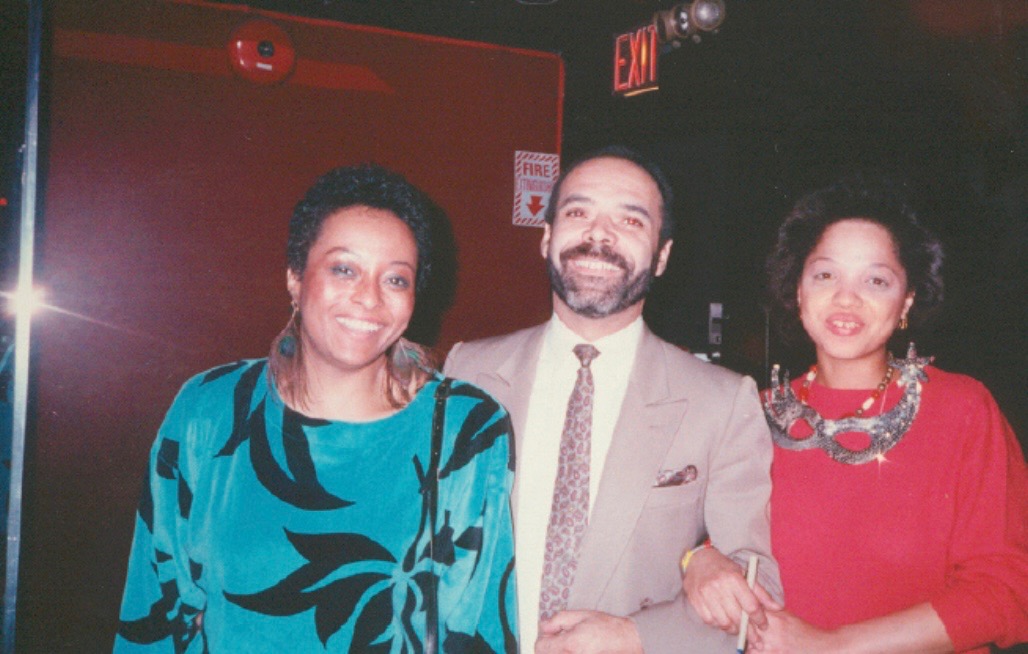
By the end of the decade, Shepard was elected District Leader of the West Harlem Democratic Assembly—the neighborhood that became her home and battleground.
From journalist to activist, from government official to community leader—Peggy Shepard turned her experience into a driving force for change, becoming the voice of those who had long been ignored.
WE ACT: First Steps and Early Victories
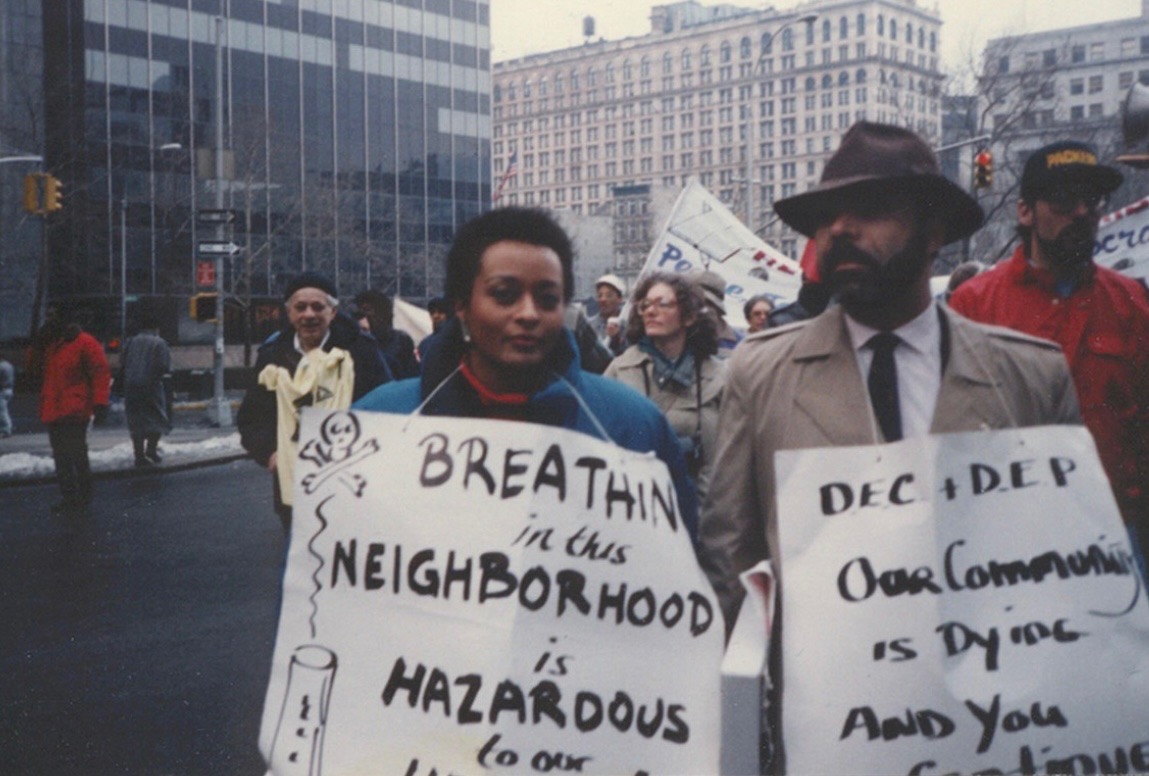
A real turning point came in 1988, a year that changed not only Peggy Shepard’s life but also New York’s environmental policy. On Martin Luther King Day 1988, Peggy, along with Chuck Sutton, David Paterson, Hilton Clark, and two other activists, protested the wastewater pollution that was destroying the Harlem River system. In an act of civil disobedience, they wore gas masks, blocked traffic near the plant, and were arrested, but their protest became a symbol of the awakening environmental movement in Harlem.
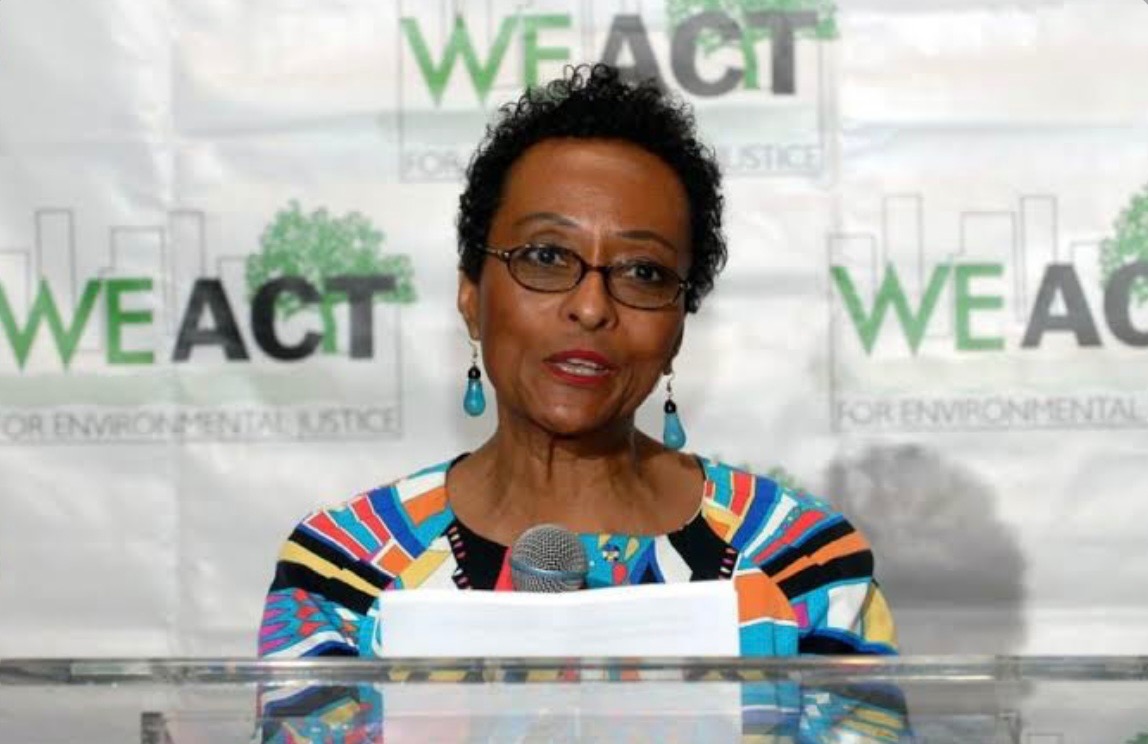
That same year, Shepard, Sutton, and Vernice Miller-Travis founded WE ACT to fight for environmental health and justice for the residents of Northern Manhattan.
The organization filed a lawsuit against the city over a sewage treatment plant that was polluting the air and water. Four years later, the community won the case. The Mayor approved a $55 million plan to modernize the treatment facilities, and in 1993, a $1.1 million fund was established for the development of West Harlem. This was a historic victory—the first recognition of environmental discrimination at the municipal level.
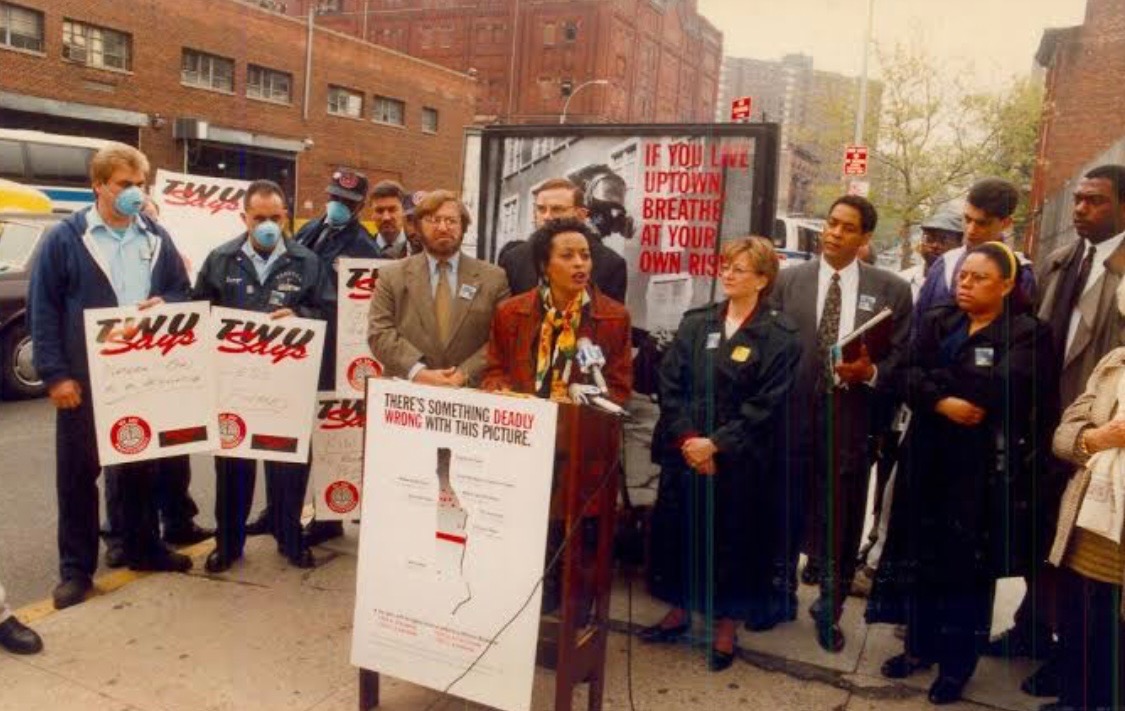
Under Shepard’s leadership, WE ACT transformed from a small group of volunteers into an influential environmental justice organization. It became a model for similar initiatives across the U.S. Together with local residents, Peggy campaigned against the location of bus depots that were poisoning Harlem’s air. Her argument was simple but revolutionary:
“This is environmental racism, where toxic facilities are placed in minority communities.”
WE ACT also collaborates with doctors, scientists from Columbia University, labor unions, and city agencies, developing educational and research programs. The organization transformed a former abandoned building in Harlem into a “green building”—a center for community research, youth activism, and environmental education.
Shepard is more than just an activist. She is a national leader of the environmental justice movement, who proved that the right to clean air, water, and land must be equal for everyone—regardless of race or income. Her work inspired an entire generation of activists and made WE ACT a symbol of how a community can change the policy of an entire city.
“We are not victims,” Peggy says, “we are a force that creates change.”
The Voice of Science and Justice
Peggy Shepard is not only a charismatic activist but also a meticulous researcher who proved that the fight for a clean environment must be based on facts. She became one of the first to use community-engaged research—where scientists work side-by-side with local residents, collecting data on air, water, and soil pollution. It is thanks to this approach that WE ACT evolved from a protest movement into a serious partner for scientific institutions.
Shepard is a co-author of several influential scientific publications, including papers analyzing the impact of urban stressors and toxic emissions on the health of New York residents. Her research with specialists from Harvard, Columbia University, and other institutions proved that in neighborhoods inhabited by communities of color, the concentration of harmful particles in the air is significantly higher, and the level of disease is alarmingly elevated. These facts became the basis for political changes in the city’s environmental policy.
Peggy organized a collaboration with scientists from the Columbia Center for Children’s Environmental Health, where she led real-time air quality monitoring programs. This data helps residents of Northern Manhattan and the South Bronx understand what is happening around them and demand change.

Peggy Shepard became the first woman to chair the National Environmental Justice Advisory Council for the U.S. Environmental Protection Agency (EPA). She also served as the first co-chair of the White House Environmental Justice Advisory Council.
Additionally, Shepard is a member of the National Black Environmental Justice Network and the Board of Advisors for the Mailman School of Public Health at Columbia University.
In 2022, she spoke at the TED Conference, discussing systemic inequality in the distribution of industrial risks: why non-white communities breathe polluted air more often and what can be done to change it.
Her work combines activism, science, and political influence. Shepard managed to transform environmental justice from a marginal topic into a global movement that demands one simple but powerful right—the right of every person to live in a clean, healthy, and safe environment.
A Symbol of Equity in U.S. Environmental Policy
Peggy Shepard is often called the “Godmother of the Environmental Justice Movement.” Her work has received recognition far beyond New York. In 2004, Shepard was honored with the 10th Annual Heinz Award for the Environment—for her courageous leadership in combating environmental injustice in urban communities. A few years later, she received the Jane Jacobs Medal from the Rockefeller Foundation for Lifetime Achievement—an award given only to those who have changed the face of urban life.
Other honors for Peggy Shepard include the William K. Reilly Award for Environmental Leadership, the Damu Smith Power of One Award, the Dean’s Award from Columbia’s Mailman School of Public Health, and honorary doctorates from Smith College and Lawrence University. And in 2021, France honored her by naming her a Chevalier of the National Order of Merit—one of the country’s highest state awards.

Since 2020, New York University has established the Peggy Shepard Environmental Justice Award—an honor for students and researchers whose work promotes diversity in environmental sciences and helps communities fight for their rights.
Peggy Shepard is more than just an activist; she is a symbol that environmental policy is never neutral. It either serves equity or perpetuates injustice. Her story is a reminder that one community can change the policy of a city, and one person can launch a movement of national scale.