

She is one of those who openly declared that it is impossible to talk about climate change without mentioning racism and social inequality. As head of UPROSE, the oldest Latino environmental organization in Brooklyn, Elizabeth Yeampierre unites communities to defend not only the environment but also the right of every person to a safe life. Read on new-york.name for the story of her life and her fight for environmental justice.
The Right to Breathe: The Story of Elizabeth Yeampierre
Elizabeth Yeampierre has Puerto Rican roots but was born in New York—a city that became both her home and the source of her struggle. Her childhood was spent moving between the Upper West Side, Harlem, and the Bronx—neighborhoods where the rich and the poor, clean air and toxic factories, always coexisted. It was there that she first felt that the environment is not just nature, but a matter of justice and survival.
Her life has been marked by pain familiar to many urban families. Her father died from an asthma attack, her mother from lung cancer, and Elizabeth herself survived a pulmonary embolism. She often recalls one woman in their community who checked every night to see if her children were breathing. It was then that Yeampierre understood:
“If we can’t breathe, we can’t fight for justice. The right to breathe is the most fundamental human right.”
This experience shaped her worldview and spurred her to action. Yeampierre decided to become a lawyer to protect those whose voices often remain unheard. In 1980, she graduated from Fordham University with a bachelor’s degree in political science, and later, she attended Northeastern University in Boston, earning her Juris Doctor degree in 1983.
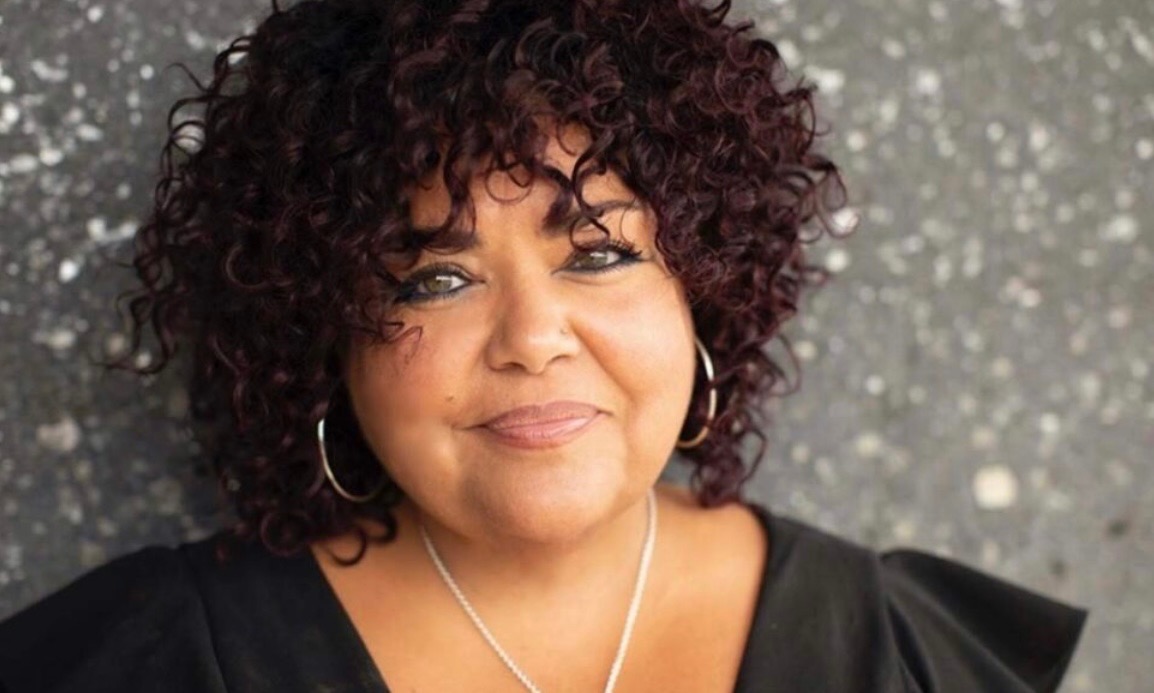
Yeampierre later received a certificate in non-profit management from Columbia University’s Business School, which helped her combine legal knowledge with community work.
Thus began the story of a woman who made breathing a symbol of the fight for environmental justice.
The Leader of UPROSE
After law school, Yeampierre returned to her hometown to dedicate herself to community service. She joined UPROSE—the oldest Latino environmental organization in Brooklyn—and eventually became its Executive Director.
Under her leadership, UPROSE transformed into a powerful center for climate and environmental justice. From a simple community office in Sunset Park, the organization became the voice of residents who had lived for years next to factories, ports, and highways that poisoned the air. Yeampierre united activists, scientists, and youth to fight industrial pollution, promote sustainable urban infrastructure, and protect communities from climate risks.
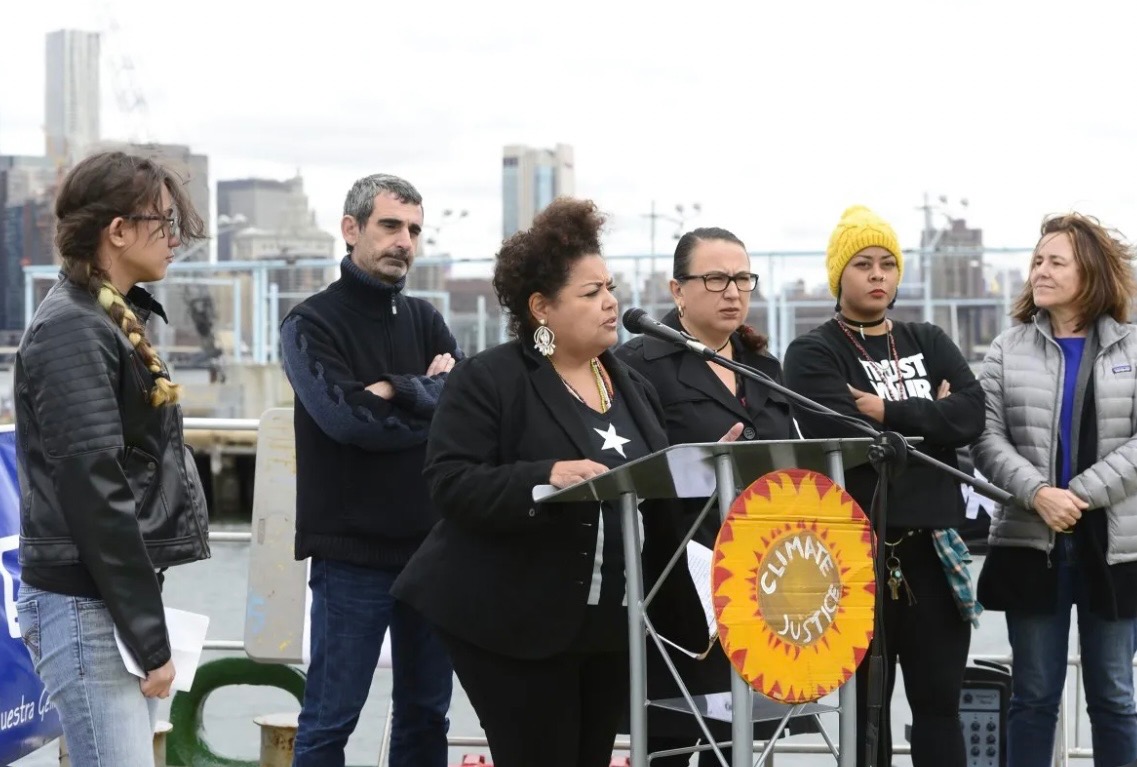
Under her guidance, UPROSE initiated campaigns against the construction of toxic facilities in poor neighborhoods, secured “green” investments in the Brooklyn waterfront, and became one of the first organizations in the U.S. to link racial inequality with the climate crisis.
Yeampierre made UPROSE not just an environmental community but a movement for dignity. Her credo is simple:
“We are not asking for charity. We are demanding justice—the right to breathe, to live, and to decide our own future.”
Thus, UPROSE became the heart of Latino activism in New York and a symbol that real change begins not in political offices but in the hands of those who breathe the same air.
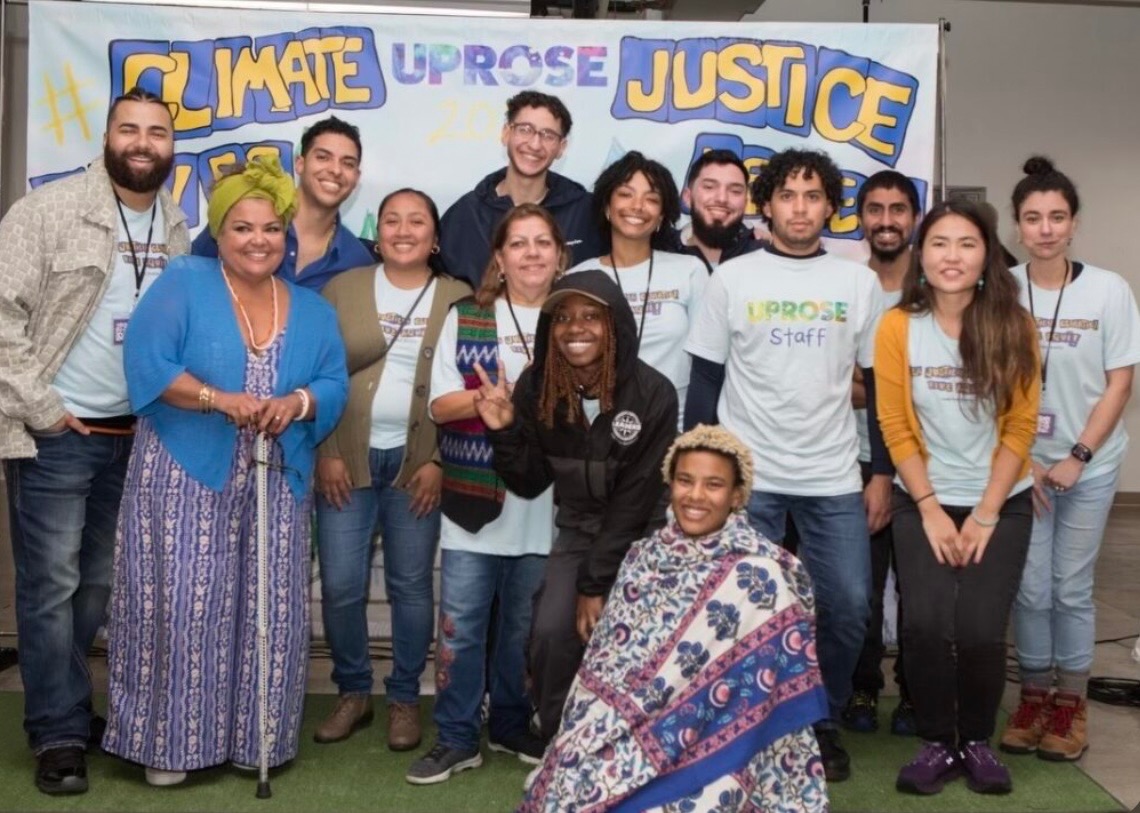
As the head of UPROSE, Yeampierre created a movement where youth and older activists work side-by-side. She believes in intergenerational leadership—the passing on of experience, where each generation adds its voice to the collective resistance.
“Our ancestors survived slavery, torture, neglect—and yet they dreamed of us. We have no right to despair. They opened the doors that we must now walk through and beyond,” she says.
When the Environment Becomes a Human Right: Elizabeth Yeampierre’s Philosophy
Following her law degree, Yeampierre worked at the Puerto Rican Legal Defense Fund, the American Indian Law Alliance, served as the Dean of Student Affairs at Yale University, and headed Advocates for Children. It would seem these areas have nothing in common with climate justice, but they were precisely what shaped her vision: the environment is not just nature; it is our living space—the place where we live, pray, and work.
Her legal career taught her that the fight for clean air is a continuation of the fight for human rights, and environmental justice is the civil rights of the 21st century.
Yeampierre openly criticizes the phenomenon of “greenwashing”—when corporations declare sustainable development but continue to harm the environment. She calls on businesses to be true partners with communities.
For Elizabeth, environmental justice is not about “turning off the lights” or “reducing the carbon footprint.” It is about returning control to the communities.
When Yeampierre speaks about Puerto Rico, her voice is full of pain and pride. She calls the island a “poster child for climate injustice”—a place where over two dozen toxic Superfund sites are concentrated on a small patch of land, remnants of decades of colonial exploitation.
“This is a history of extraction, abuses, and indifference. What was done to our people is the history of how corporate America treats disenfranchised communities,” she says.
When Hurricane Maria devastated Puerto Rico in 2017, washed-out toxic waste contaminated the water, air, and soil. But instead of waiting for yet another round of “help from above,” Elizabeth and the UPROSE team launched a massive support campaign: they raised over $800,000, supplied communities with solar generators, water filters, and tools for cleaning up hazardous materials.
For her, this was not just an act of solidarity—it was an attempt to build a survival economy where communities generate their own energy, control resources, and restore trust.
“I don’t want corporations to come in and fix things. I want us to build food sovereignty and a viable local economy ourselves,” Yeampierre emphasizes.
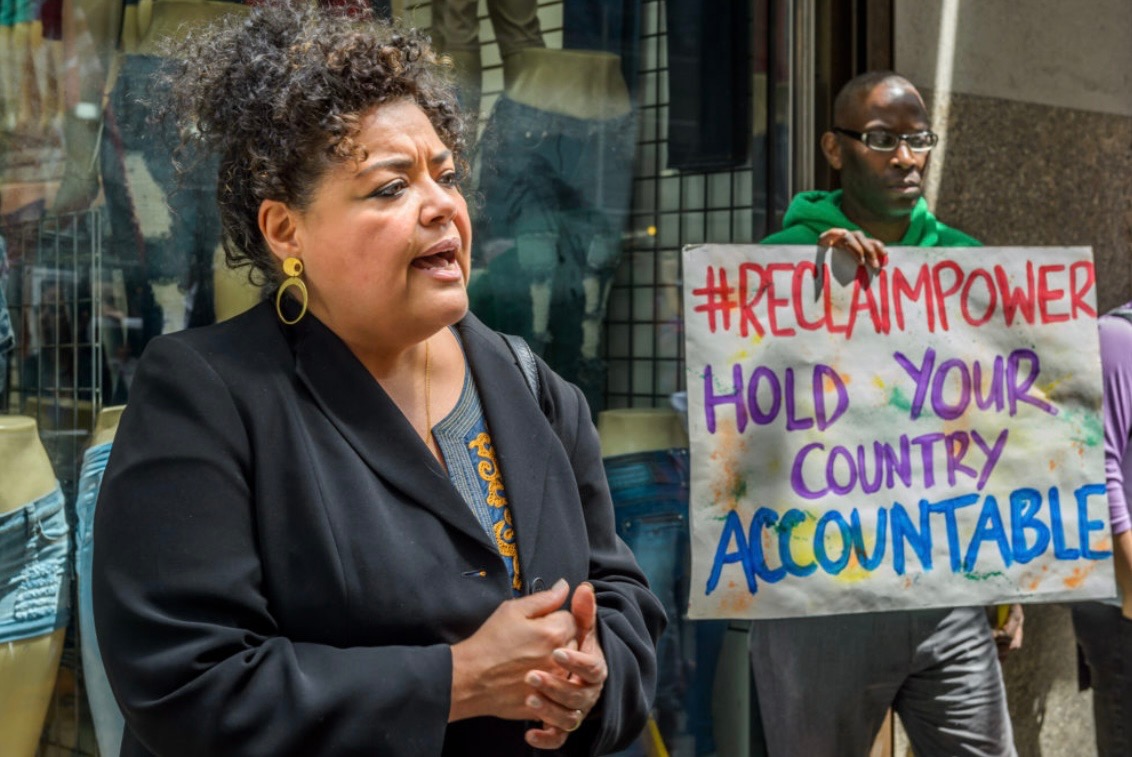
Honors and Recognition
In a world where climate conferences often turn into diplomatic stages without action, Elizabeth Yeampierre is the person who brings the conversation back to its roots: to the people who live next to factories, breathe smog, and feel the consequences of environmental inequality every day.
Her career is a story of activism that grows out of the community and turns into a global movement. Yeampierre not only organizes protests but builds coalitions. She was instrumental in the 2014 People’s Climate March, when over 400,000 people took to the streets of New York. And it was she who insisted that young people from communities of color—those who suffer most from the consequences of the climate crisis—march in the front rows.
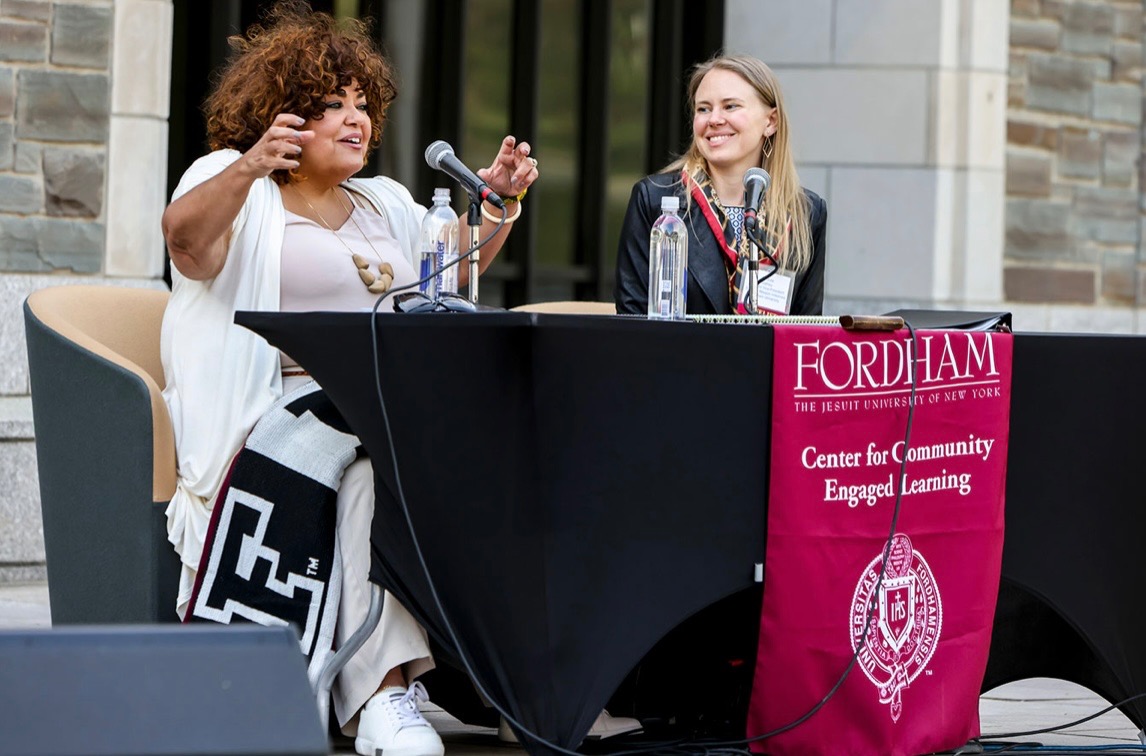
Over the years, her voice has resonated far beyond Brooklyn. Yeampierre speaks at international forums—from the Paris SAGE Conference to the White House, from Harvard and Yale to Amsterdam and Latin America. She is a frequent guest on Democracy Now!, The Guardian, Vanity Fair, The New York Times, and Al Jazeera, where she is called the “woman who stitches the climate movement to the social justice fight.”
Vogue magazine recognized Elizabeth as a “climate warrior” among 13 women changing the world in 2015. And in 2025, Time included Yeampierre in the The Closers list—25 Black leaders closing the racial and economic gap in the U.S.
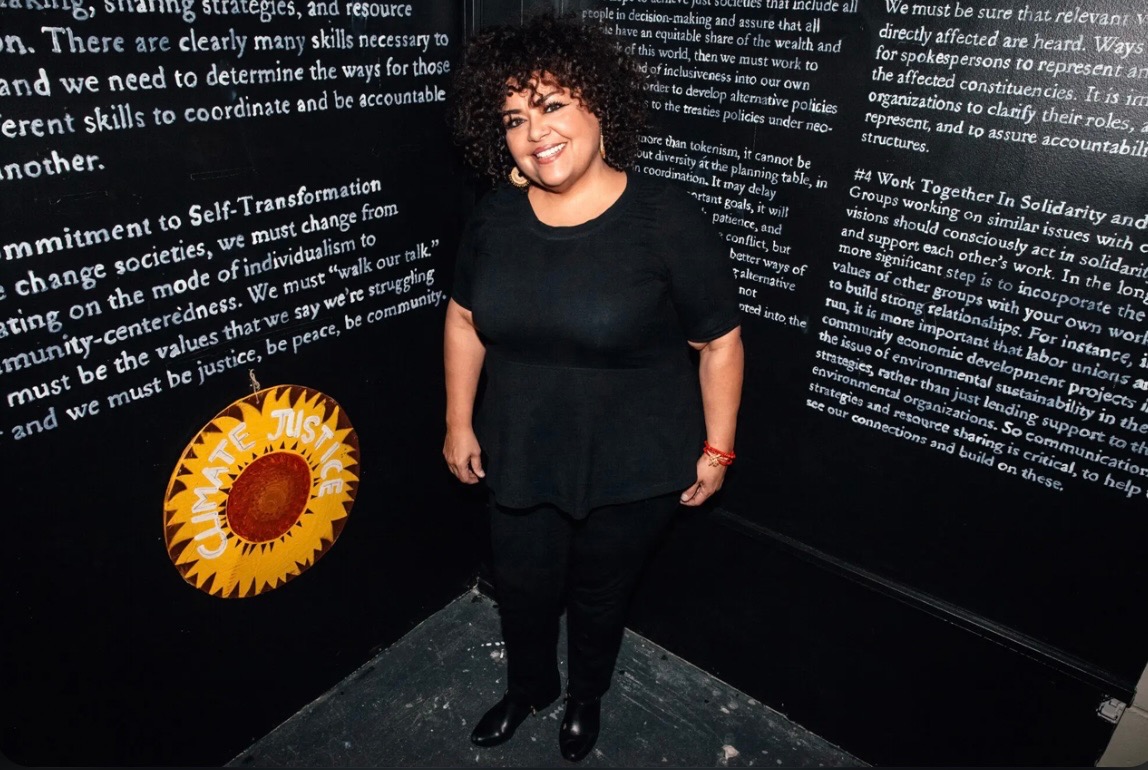
Every award in Yeampierre’s biography is a reflection of a community victory.
- The Frederick Douglass Award—for leadership in the fight against climate racism.
- Apolitical Climate 100—among the world’s most influential people in climate policy.
- The Dale Prize from the Cal Poly Pomona College of Environmental Design—for leadership in environmental justice.
- The New York Council Award—for leadership in urban green policy.
- NRDC Earth Day Defender—”Defender of the Year.”
- Flor de Maga Award (Puerto Rican Bar Association)—for dedication to justice.
- The National VIDA Award—for leadership in Latino community health.
And these are only some of her accolades—over a thirty-year career, Elizabeth Yeampierre has received dozens of awards from municipalities, universities, and non-profit organizations.
Her vision is not just about reducing emissions, but about transforming the economy so that communities own their energy sources, create jobs, and build cities resilient to climate change.
“We are not asking for permission to be part of the future—we are building it,” Yeampierre says.